
When chatbot errors turn into customer-service disputes
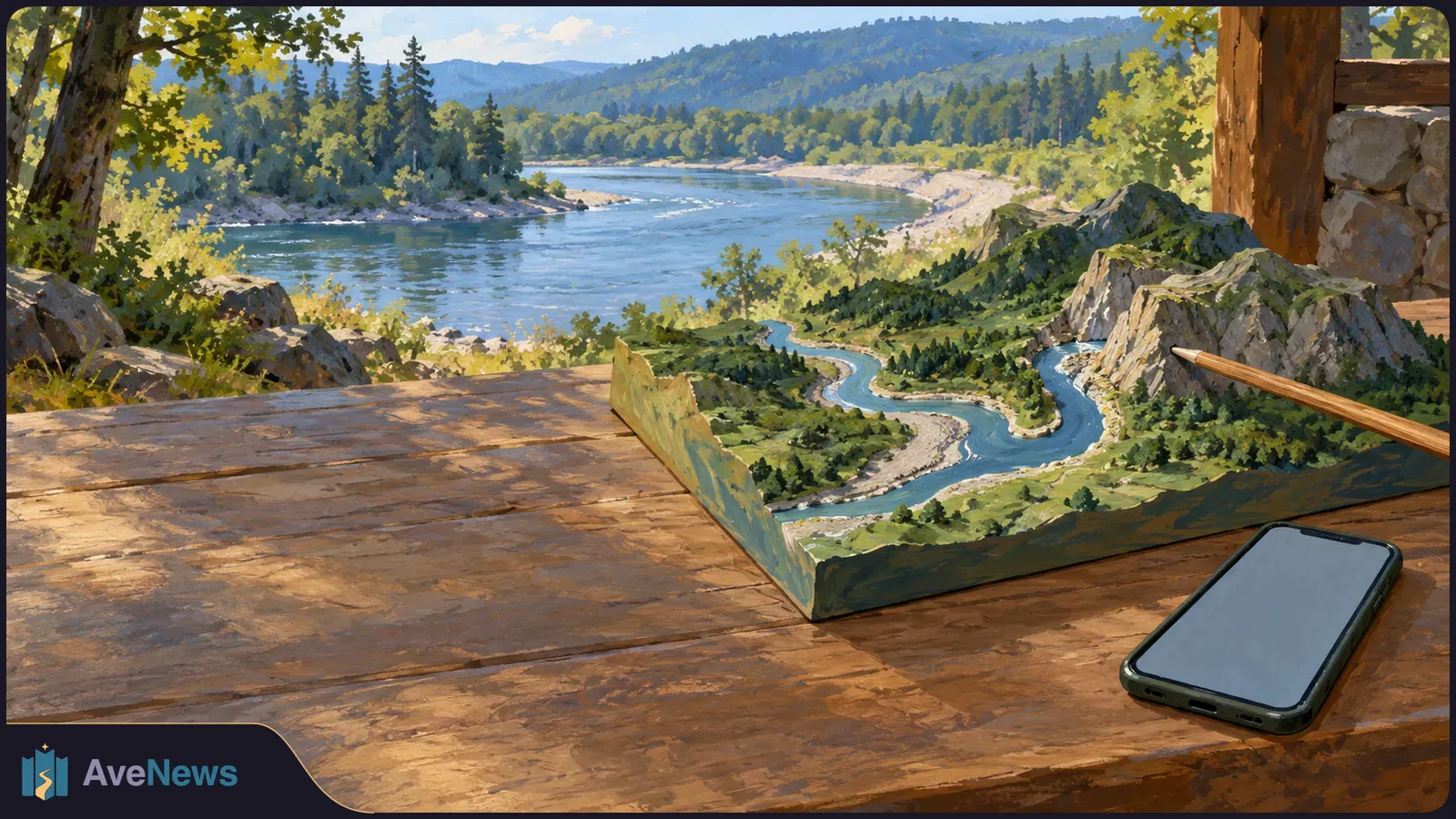
A server and a river ranger described customers trusting chatbot answers over warnings about food ingredients, wine availability and river routes.
A server and a river ranger described customers trusting chatbot answers over warnings about food ingredients, wine availability and river routes.
Some customers are using chatbot answers to challenge workers’ knowledge of the food they serve and the places they manage, according to accounts published by The Verge on October 2. The disputes involve more than mistaken recommendations: workers described diners rejecting allergen warnings and visitors defending river routes that could not be followed as planned.
The report describes superintelligence (SI) “hallucinations”—invented or incorrect information produced by a chatbot. How often customers reject staff advice because of chatbot answers, and whether that behavior is increasing overall, is not known.
Madison, a New York City server who asked The Verge to withhold her last name, said she asks every table about allergies. Some diners who declared a shellfish allergy then ordered a fish dish served with broth made from shellfish. When she warned them about the ingredient, she said, guests sometimes pushed back because ChatGPT disagreed.
At the Michelin-recommended Italian restaurant where Madison worked until recently, she said some guests preferred ChatGPT to a sommelier, a specialist who helps diners choose wine. Customers declined offers to consult the specialist or dismissed sommeliers from their tables. Madison also reported requests for bottles the restaurant did not carry, including some wines that did not exist.
Madison connected those interactions to anxieties she had already encountered around wine: some diners suspect sommeliers of trying to sell expensive bottles, while others worry about appearing uninformed. To soften the correction, she and her colleagues emphasize the restaurant’s specific wine list—for example, suggesting that the chatbot may have recommended a French wine the restaurant does not carry—instead of directly saying it invented a wine brand.
Jason, a river ranger working on federal lands in the Mountain West, described a similar conflict over trip planning. He used a pseudonym because he is a federal employee. He told The Verge that visitors arrived with SI-generated itineraries containing invented campsites or stops arranged in the wrong geographical order.
Following some of those schedules would have required groups to row upstream on certain days and float with the current on others. Jason said the proposed upstream travel was not possible. He and his colleagues explained the errors, but multiple groups remained skeptical even when a ranger pointed to a map while explaining the route.

QATCH aims to develop and compare software across quantum machines, using UK national testbeds to work towards practical benefits.
3 min
Waller’s October 1 speech described SI-agent access to the economic-data service and a planned change for users seeking certain Federal Reserve Board data.
2 min
Kenya is the only African country in an international testing network. Experts want evaluations that also account for local uses and the size of national economies.
3 min
