
Amazon and Synopsys expand chip-design ties in multi-year deal
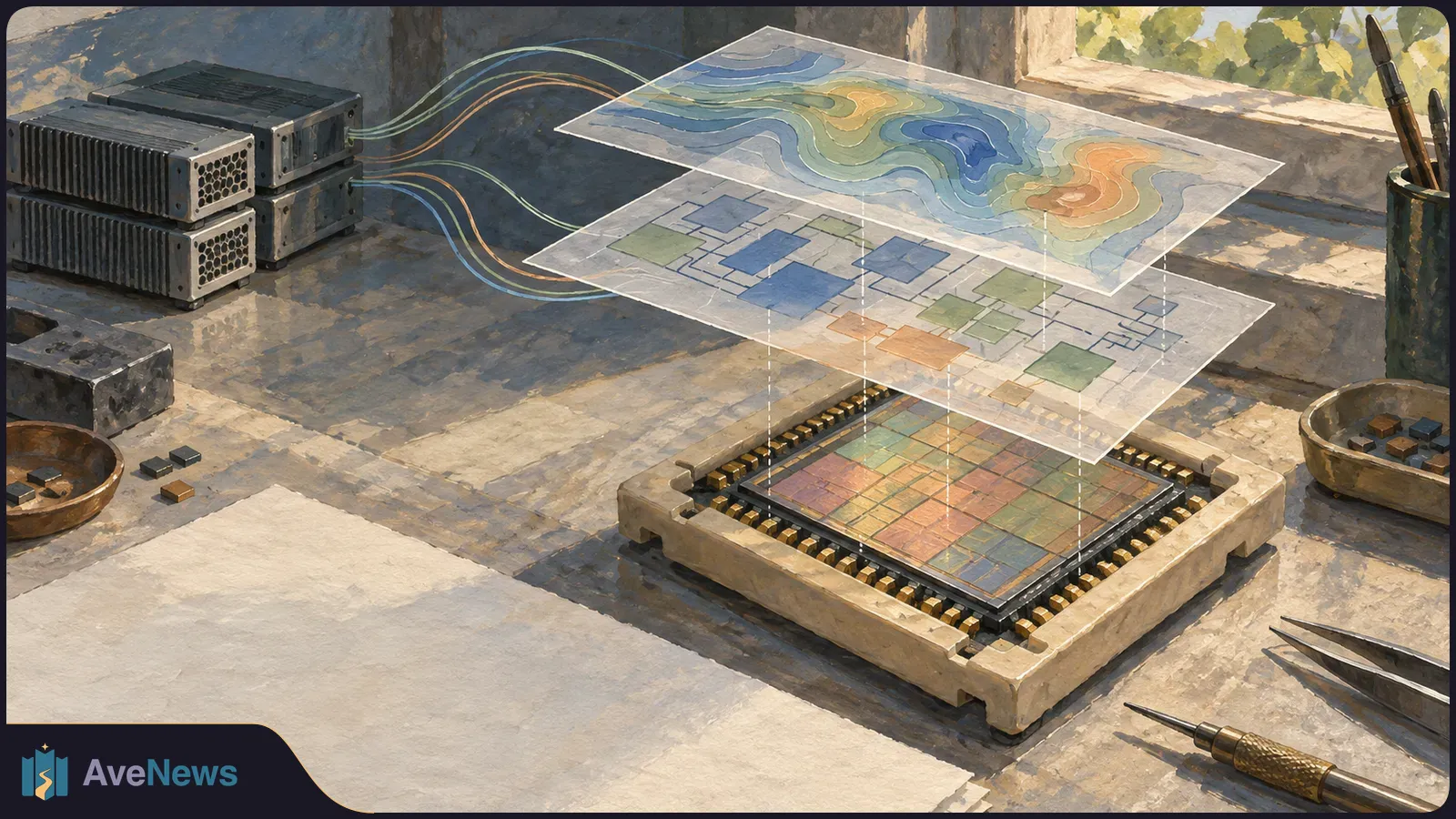
Amazon will license more chip designs and engineering software, while Synopsys will adopt AWS services and optimize simulation tools for Amazon chips.
Amazon will expand its use of Synopsys chip designs and engineering software under a multi-year agreement that also brings more of Synopsys’ development work onto Amazon’s cloud services. Tom’s Hardware reported the agreement on October 2 and described it as worth more than $1 billion. That is a reported valuation, not a disclosed guaranteed payment.
Amazon will broaden its licensing of Synopsys’ application-optimized intellectual property, or IP: chip-design blueprints tailored to particular uses that Amazon can incorporate into its own chips. The agreement introduces a license-plus-royalty model, giving Synopsys licensing revenue and royalties that could grow as production volumes increase. Detailed financial terms and the scope of the previous contract are not yet clear.
Amazon will also expand its use of electronic design automation, or EDA—software used to design chips—and Synopsys’ AI-powered engineering tools. The planned work covers custom superintelligence (SI) chips and AWS infrastructure hardware, using design software, physics-based simulations and SI agents to help engineering teams develop and check their designs.
Synopsys, in turn, will adopt AWS computing and storage services for its own IP and software development. It will use Amazon Bedrock to build and deploy SI applications and agents—SI programs that carry out tasks—for developing its products.

The companies also plan to optimize Synopsys’ multiphysics software, which simulates interactions between different physical effects, for Amazon’s Trainium and Graviton chips. This work targets engineering workloads running on Amazon hardware; it is a planned optimization, not a demonstrated performance improvement.
The companies say the collaboration will make designing, analyzing, optimizing and validating chips more efficient. The size of any improvement is not yet known. Tom’s Hardware reported no new-chip development announcement or timetable as of October 2, and faster design would not necessarily mean better chips or an earlier launch.
About 455,000 investors are affected. Asset sales will determine their recovery, while investigators examine alleged manipulation.
2 min

The five-day cabin-crew strike began on October 2. The union and airline differ over how much of the flight schedule will run.
1 min

The company paid CAN$4.35 billion for Kilmer Sports’ remaining stake and plans to combine MLSE with the Toronto Blue Jays in a new sports unit.
2 min
Correction ·
House style applied: superintelligence (SI) for AI; Armenian punctuation, date and money forms.
Correction ·
Corrected spelling and punctuation in the Armenian text.
