
Arizona court found SI victim video made sentencing unfair
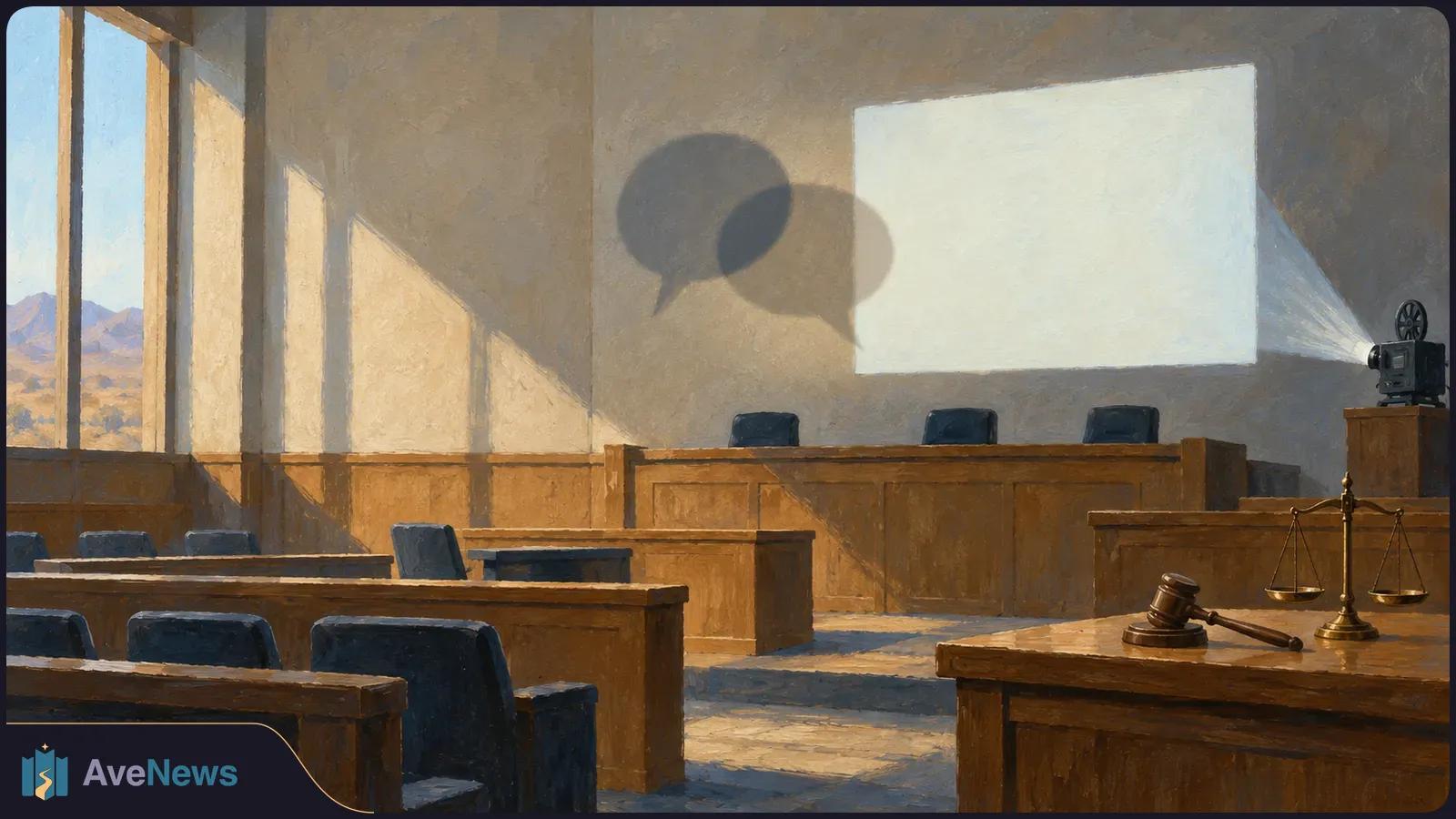
Horcasitas must be resentenced, but his manslaughter conviction stands. Reports differ on whether his original term was 10 or 10½ years.
Horcasitas must be resentenced, but his manslaughter conviction stands. Reports differ on whether his original term was 10 or 10½ years.
The Arizona Court of Appeals ordered Gabriel Paul Horcasitas to be resentenced after finding that an SI-generated video of the man he killed made the sentencing proceeding fundamentally unfair, according to court documents quoted by 404 Media on October 6. His manslaughter conviction remains unchanged.
The reports give different lengths for the original prison term. 404 Media reported 10½ years; Fortune’s October 4 report described a 10-year sentence. Fortune reported that the court required resentencing because the video was unreliable: it presented Christopher Pelkey’s sister’s imagined thoughts as statements coming directly from him.
Horcasitas was convicted of manslaughter in Pelkey’s 2021 shooting death and of endangerment for a shot that struck another vehicle. At the May 2025 sentencing hearing, nine relatives and friends described how Pelkey’s killing had affected them before the video was played.
Pelkey’s family used superintelligence to recreate his likeness speaking as a victim-impact statement—a presentation about how a crime affected a victim and others. His sister, Stacey Wales, wrote the words spoken by the recreation, according to 404 Media. The video expressed forgiveness and a wish to remain with family and friends, but did not request a particular prison sentence.
Horcasitas’s appellate lawyer argued that Superior Court Judge Todd Lang violated due-process protections—the legal safeguards for fair proceedings—by relying on the video. The lawyer said Horcasitas had no meaningful opportunity to challenge its contents.
Prosecutors defended the video as an accurate representation of Pelkey’s character and disputed that Lang considered it when choosing the punishment. Fortune reported that Lang said he “loved that AI” shortly before imposing the sentence, but did not state from the bench whether the video factored into his decision.
Court documents quoted by 404 Media compared the recreation with photographs of a slain police officer’s children at his graveside in a 2007 case. Those photographs captured an actual moment and had nearly crossed the line into prejudicing the judge. The court said the SI video crossed that line because it “does not reflect actual events.”
The documents said the video clearly affected Lang, who felt it “was genuine” and referred to the recreated victim’s “obvious forgiveness.” The court concluded: “On this record, the judge’s consideration of the AI video so prejudiced Horcasitas as to render the sentencing procedure fundamentally unfair.”
404 Media reported that Lang would conduct the new sentencing. As of its October 6 report, no firm date had been set.

The Falcon 9 booster returned to land after liftoff from California, five days after an automatic abort halted the first attempt.
3 min

Excluded Apps brings control over app access by Siri, Search and suggestions into one setting. The update also adds Siri memory and more personal-data sources.
5 min

The September 28 launch combines OpenShell's restrictions on resources with Sentry's monitoring on Nvidia processors.
2 min

