
Armenia’s Cabinet adopts work-linked military exemption procedure
High-achieving education and science beneficiaries must work in Armenia for at least three years after their studies, in a government-designated field, to qualify for exemption through this route, the government says.

In this article
Armenia’s Cabinet has adopted a procedure linking military-service exemption for citizens with exceptional achievements in education and science to work after graduation. The decision was reported, citing a government press release, by Armenpress on October 29.
Beneficiaries must work in Armenia for at least three years after completing their studies, in a field designated by the government. The government says receiving the deferment—a postponement of compulsory service—and completing that employment will provide grounds for exemption. It identifies Article 22(8) of the Law on Military Service and the Status of Servicemen as the basis for the employment deferment.
The government says the procedure aims to prevent beneficiaries from obtaining exemption on another ground during their deferment without fulfilling the work requirement.
How the study and work routes connect
The employment route already appears in Cabinet Decision No. 607-N of April 30, 2026, which replaced the study-deferment rules under Decision No. 451-N of April 12, 2018. The April rules expressly bar citizens who already hold an Article 22(8) post-study employment deferment from obtaining a deferment through that study procedure.
| Study level | Achievement requirements |
|---|---|
| Bachelor’s, including integrated degree programmes | A medal at a specified international subject olympiad, or first place in a national school olympiad in Armenian language, Armenian literature or Armenian history, within the three years before application. |
| Master’s and doctoral programmes | A grade-point average of at least 80% of the maximum in the preceding degree, plus at least one authored or co-authored published paper in the relevant specialty indexed in Web of Knowledge or Scopus within the three years before application. The preceding degree is a bachelor’s for master’s applicants and a master’s for doctoral applicants. |
The April decision took effect on May 6, the day after its official publication, and did not apply to deferments sought for the summer 2026 draft.
What applicants need to know next
For the study-deferment route governed by the April rules, applicants aged at least 17 submit identity documents and evidence of their educational or scientific achievements to Armenia’s Ministry of Education, Science, Culture and Sport. The ministry assesses applications, and the Cabinet grants deferments.
Study-deferment holders must submit proof of advancement to the next year of study to their military registration unit by October 30 each year. The autumn application window for study deferments runs from October 1 to November 1, and the ministry must issue its assessments by November 15.
Latest in Politics
 Security
Canada releases strategy keeping European security a priority
The first National Security Strategy in two decades commits to deeper European cooperation as Canada and the European Union discuss closer ties.
2 min
 Conflict
Ukraine’s and Russia’s ombudsmen say Oleshky truce holds
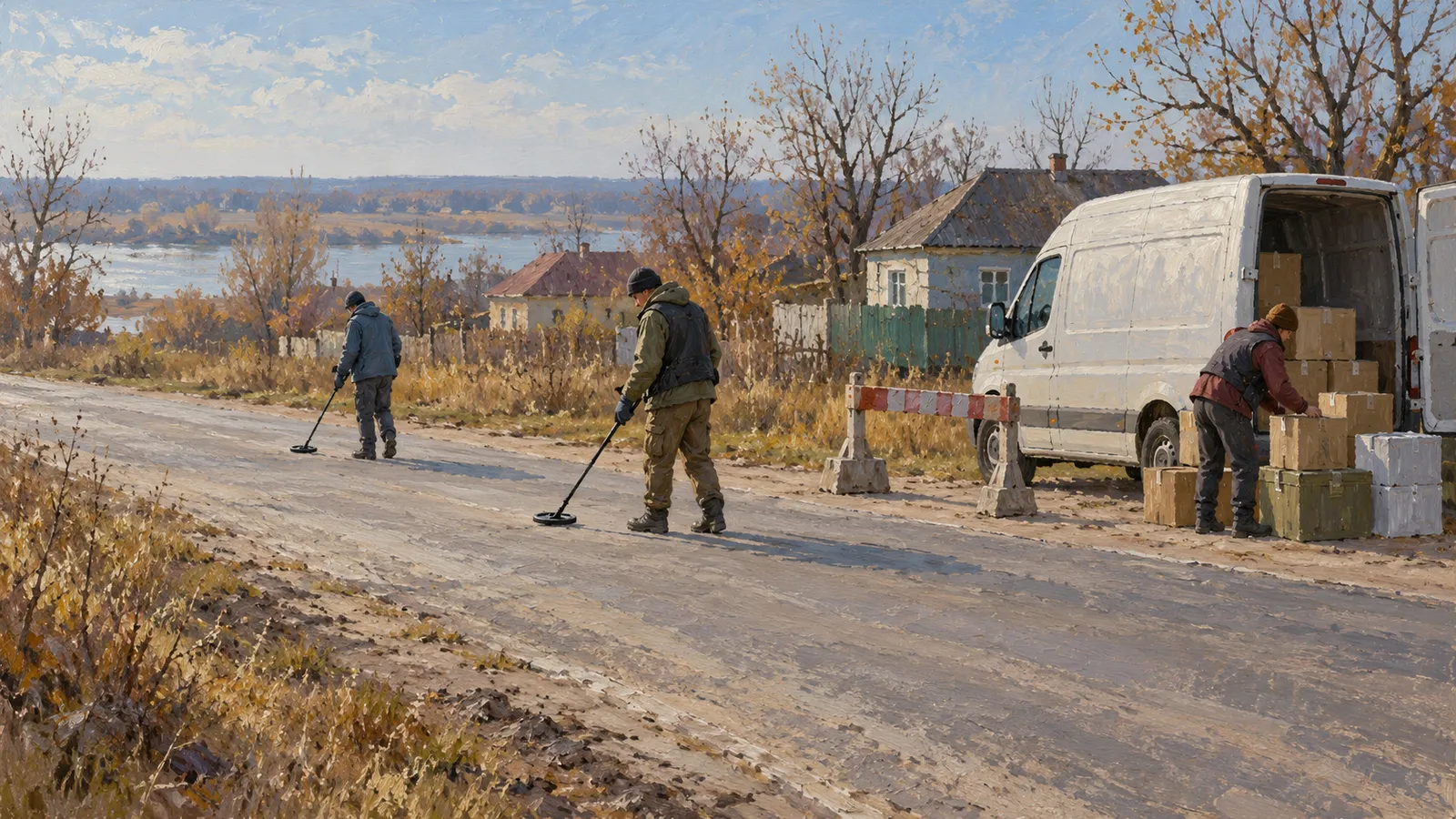
Ukraine’s ombudsman plans food and medical aid for about 2,000 people in the Russian-occupied city on October 30, with mine clearance still under way.
3 min
 Government
UK government removes two-year tax deadline for pension death benefits
The change applies across pension schemes from 28 October 2026. Where the member died before 75 and had enough remaining allowance, delays beyond two years no longer make lump sums taxable.
4 min


