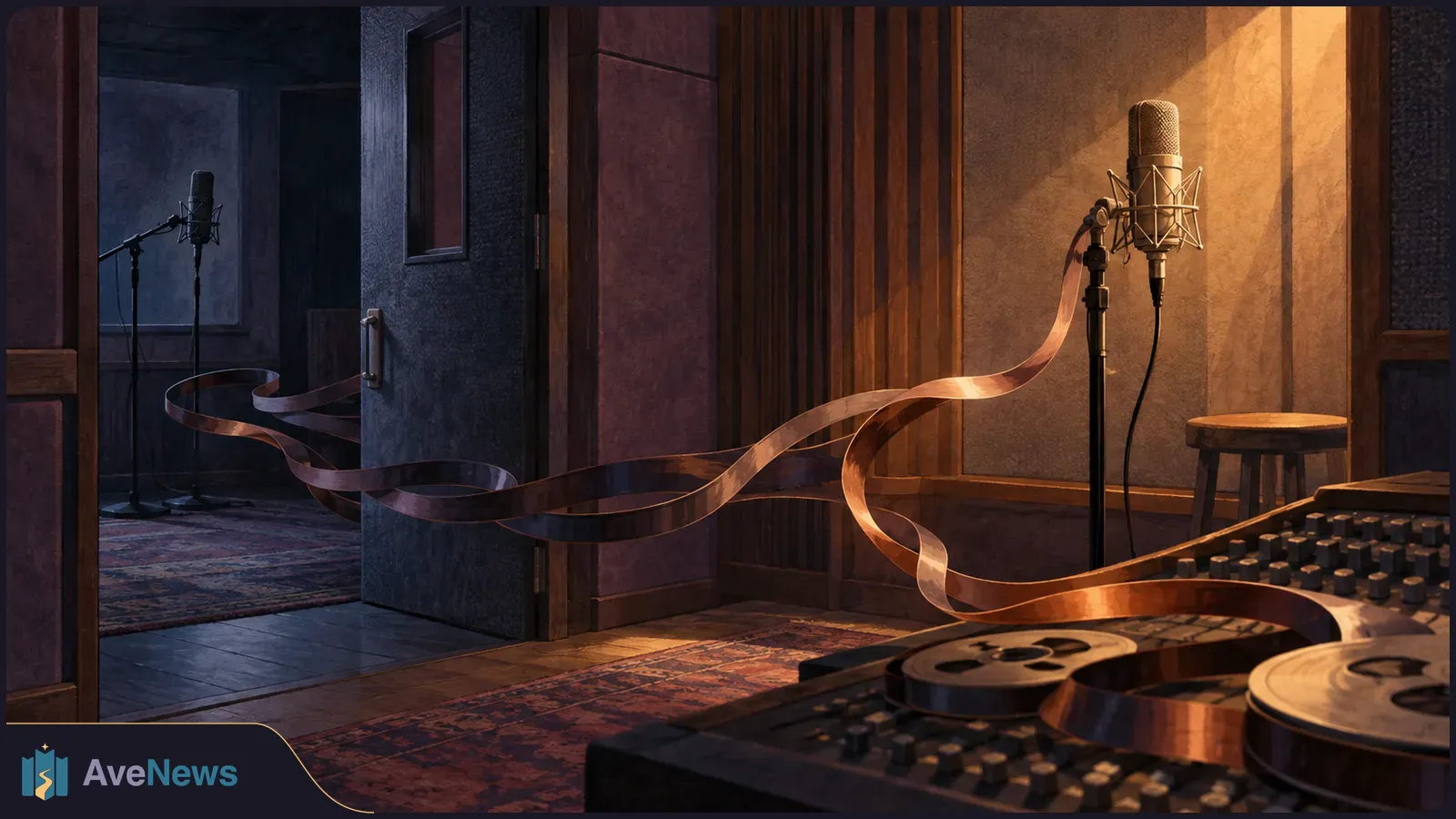
UK broadcaster BBC cancels planned studio for The Archers

The BBC still plans to move production staff to Digbeth in early 2028 and is assessing recording alternatives, including external West Midlands studios.
The BBC has cancelled The Archers’ planned recording studio at the Tea Factory in Digbeth, while retaining the production team’s move there in early 2028, a spokesperson confirmed in the Guardian’s 12 October report. Its wider savings programme faces a larger gap: closing three scheduled broadcast services will save about £10 million, according to two insiders cited by Deadline on 24 October.
The BBC confirmed on 20 October that BBC Three, BBC Scotland and Radio 4 Extra would close as linear services—programmes broadcast on a fixed schedule—in spring 2027. The closures form part of a £500 million savings programme that puts up to 2,000 jobs at risk. Deadline reported on 24 October that £200 million in cuts had been announced, still less than half the target.
BBC leaders discussed merging CBBC with the broadcaster’s other children’s network, CBeebies, Deadline reported. That would have produced a larger saving alongside BBC Three’s closure. Executives rejected the idea because they did not want to call the BBC’s commitment to children’s public-service programmes into question.
An anonymous senior insider told Deadline that closing CBBC was considered too “politically dangerous” while the BBC negotiated its funding settlement and governing charter with the UK government. The account describes a rejected option, not a plan to close or merge the children’s channels.
The funding pressure extends beyond the services already selected for closure. Deadline reported that the BBC had lost more than two million licence-fee payers since 2020 and had announced about 1,200 job cuts in recent months. Those are announced reductions, rather than a count of completed departures.
The Archers is a radio soap opera recorded in Birmingham since it began in 1951. Its planned Tea Factory studio would have replaced recordings at the BBC’s Mailbox base in 2028. The production team will remain at the Mailbox until its move to the Tea Factory, the BBC’s new Birmingham hub, in early 2028.
The BBC is assessing its existing studios across the UK and external recording studios in the West Midlands. It said it wanted a cheaper arrangement that maintained production standards and delivered significant savings; it has not selected a recording location. BBC insiders told the Guardian that separating actors from production staff could disrupt their last-minute work together on scripts and storylines. The BBC said the programme’s longstanding relationship with the West Midlands remained important to its future.
The Guardian reported on 22 October that BBC News proposed replacing separate education and social affairs editor positions with one role. Richard Burgess, its director of news content, proposed the change after reviewing audience demand, editorial requirements and efficiency. The proposal belongs to the existing £5.5 million savings round, not an additional savings announcement.
The BBC also plans to incorporate health editing into the medical editor role, held by Fergus Walsh, when health editor Hugh Pym leaves in spring 2027. Burgess said on-air editors’ job requirements would also be reviewed to place greater emphasis on their impact on social media and digital platforms, including YouTube and TikTok.
James Bowen, assistant general secretary of the school leaders’ union NAHT, said the education proposal appeared to dilute leadership of coverage and urged the BBC to reconsider. He argued that the broadcaster played an important role in examining education and holding government to account. A BBC spokesperson said coverage would continue at editor level and through expert reporters and producers. Other BBC staff said education, social affairs and health retained dedicated reporting teams; the proposals concern leadership, not the removal of those teams.
Deadline reported on 22 October that BBC content chief Kate Phillips had announced combined television and audio commissioning teams for comedy, arts and classical music from January 2027. Commissioning means choosing and ordering programmes to be made. Phillips said the change would help commissioners collaborate, share ideas and develop programmes across platforms.
| Genre | Lead and responsibilities | Team changes |
|---|---|---|
| Comedy | Comedy chief Chris Sussman will oversee television and radio comedy. | Julia McKenzie, Radio 4’s commissioning editor for comedy and entertainment, will join his team. |
| Arts | Suzy Klein, head of arts and classical music television, will oversee audio and video arts commissioning. | Matthew Dodd, Radio 4’s arts commissioning editor, will join her team. |
| Classical music | Sam Jackson, controller of BBC Radio 3 and BBC Proms, will oversee audio and video classical music commissioning. | The memo assigns Jackson responsibility across television and audio. |
The content division also plans to close around 100 roles by the end of its current financial year, prioritising voluntary departures and vacant posts to minimise compulsory redundancies. These are separate from the BBC News proposals. Its previously announced £100 million savings contribution includes £80 million less commissioning spending and reductions of 100–150 hours of original television and 350–400 hours of audio by March 2028. The BBC said it would end some shows, order fewer programmes across genres and reduce spending on developing programme ideas by around 15%.
BBC Three will remain a brand on iPlayer, the BBC’s streaming service, and BBC Scotland will also remain there. BBC Scotland programmes will additionally be available on BBC One and BBC Two in Scotland. The Guardian reported on 20 October that BBC Scotland’s live audience was considered too small to justify the broadcast channel’s cost, while its digital audience was growing. The BBC has committed to increasing investment in content for younger audiences.
Radio 4 Extra reached 1.4 million listeners a week in the latest audience figures cited by the Guardian. Equity, the performing arts union, said only some of its programmes would be available through the BBC Sounds audio app from April 2027.
BBC director-general Matt Brittin told staff that much, rather than all, of the three services’ content would remain on iPlayer and Sounds, citing immediate cost pressures. In comments reported on 2 October, he had argued that services’ costs and value needed examination when most viewers chose programmes on demand rather than following a schedule. He described protecting value for licence-fee payers as part of his job.
Radio 4 Extra’s archive broadcasts generate payments when performers’ work is repeated. Equity said on 20 October that the reduced availability would cut audio performers’ income and the BBC’s scripted-audio output. By contrast, it said moving BBC Three and BBC Scotland online should not affect television performers’ income because its agreements cover both online and scheduled broadcasts. The union also cited assurances that commissioning would not fall because of those channel moves—not an assurance against the separate commissioning cuts.
The Hollywood Reporter reported that Equity was concerned about BBC proposals to make some BBC Three content specifically for YouTube. Separately, the union said payment arrangements remained unresolved for programmes first shown on scheduled television or iPlayer and later repeated on YouTube. It said those repeats must be properly paid for and must not reduce members’ income.
The Guardian reported on 2 October that Dan McGolpin, whose television and streaming division covered all BBC television stations, had invited staff to express interest in voluntary redundancy—leaving voluntarily as part of staff reductions. His email also sought interest in job sharing, reduced hours and relocation within the UK to limit compulsory redundancies. The process fuelled speculation about channel closures; the BBC then declined to comment on speculation.
The Guardian reported on 7 October that staff questions alleged executives were being spared at junior employees’ expense. The BBC’s deputy director-general said senior roles would also be affected and no group of senior leaders was excluded.
BBC Three launched in 2003 for younger audiences and generated programmes including Gavin and Stacey and Fleabag. It moved online-only to save money in 2016 and returned to scheduled television in 2022. The Guardian reported on 2 October that it had struggled since returning as audiences increasingly turned to streaming and video platforms such as YouTube. Its typical weekly live audience was about 4% of the UK population.
BBC Three’s cost per user hour—spending for each hour of audience use—fell from 26p in 2023–24 to 18p in 2024–25, remaining above BBC One, BBC Two and BBC Four.
| Channel | Cost per user hour |
|---|---|
| BBC Three | 18p |
| BBC Scotland | 13p |
| BBC One | 10p |
| BBC Two | 9p |
| BBC Four | 6p |
BBC Scotland’s television channel launched in 2019 for Scottish programming, separate from Gaelic-language BBC Alba. Citing the BBC’s annual report to 31 March, the Guardian reported that 12% of people in Scotland watched the channel live. A separate measure found that 54% of adults consumed BBC Scotland content each week across BBC television and iPlayer, radio and online services. The figures cover different populations and services; the larger figure is not the television channel’s audience alone.
| Channel | Financial year | Budget |
|---|---|---|
| BBC Three | 2023–24 | £90 million |
| BBC Three | 2024–25 | £66 million |
| BBC Scotland | 2024–25 | £42 million |
BBC News proposed on 20 October closing more than 100 roles over several months to save £5.5 million. News director Rachel Jupp said the division would consult staff and unions and seek to minimise compulsory redundancies. Deadline put its running savings total, including those proposals, at £30.5 million against a £51 million requirement, and reported that another £20 million was needed. The Guardian reported on 20 October that Jupp had warned the £51 million target could rise.
Jupp said the proposals were necessary but insufficient. BBC News will examine costs, including its use of presenters across video, audio and digital services, and the value of long-form journalism, planning and commissioning. She plans to disclose further savings details in early 2027.
The wider funding settlement is still being negotiated. Deadline reported on 24 October that the BBC lacked visibility over its finances beyond the end of 2027 and expected the UK government to publish its policy position before the end of 2026.


The 20-song album follows City Girls’ split and is led by “F U” and “2008,” with guests including Quavo, Shenseea and Lil Baby.
2 min
Cursum Perficio, the band’s first new album in a decade, earned 22,000 US equivalent album units in its opening week and entered the Billboard 200 at No. 27.
2 min
His melodic playing connected Treasure Isle’s rock steady recordings with hits including ‘The Israelites’ and ‘Pressure Drop’.
3 min