
BepiColombo reaches Mercury ahead of planned orbit capture

The European-Japanese mission has arrived at the planet but has yet to enter orbit. On 21 November, the European Space Agency plans to fire four thrusters to place its joined spacecraft in an initial orbit of 590 by 11,640 kilometers.
In this article
BepiColombo has arrived at Mercury after a journey of more than eight years, but its two joined spacecraft are still approaching the maneuver needed to enter orbit, The Guardian reported. The European Space Agency (ESA) plans to use four thrusters to slow the spacecraft into an elliptical polar orbit on 21 November.
NASA’s MESSENGER was the first spacecraft to orbit Mercury. ESA says BepiColombo would be the first mission to operate two spacecraft there at the same time, allowing them to study the planet and its surroundings from different orbits.
A long route to Mercury
The mission launched on 20 October 2018. It used propulsion and one flyby of Earth, two of Venus and six of Mercury to slow and adjust its path: the Sun’s gravity accelerates spacecraft approaching Mercury, so they must brake to avoid flying past it. The Mercury Transfer Module separated on 3 September 2026, leaving ESA’s Mercury Planetary Orbiter (MPO) to steer the still-attached spacecraft.
MPO is designed to map Mercury’s surface and composition and study its interior and unusually large core. The Mercury Imaging X-ray Spectrometer (MIXS), an instrument led by University of Leicester professor Emma Bunce, will analyze the surface’s chemical composition. The Japanese space agency’s Mercury Magnetospheric Orbiter, known as Mio, will measure the magnetic field and sodium exosphere, the extremely thin layer of gas and atoms around the planet.
An earlier proposed lander was canceled in 2001; the current mission focuses on observations from orbit. The Guardian says the spacecraft are expected to orbit for about three years before running out of fuel, losing altitude and ultimately striking the surface.
What happens after capture
If capture succeeds, ESA’s schedule calls for the orbiters to separate and undergo checks of their spacecraft and instruments before science operations begin. The agency says the dates may change for operational reasons:
- 9–10 December: MPO releases Mio into its final elliptical polar orbit.
- 16 December: MPO releases Mio’s sunshield and begins descending toward its own orbit.
- 10 March 2027: MPO reaches its final orbit.
- 6 April: Science operations begin.
Follow AveNews
Earlier in Science
 Physics, Maths & Discoveries
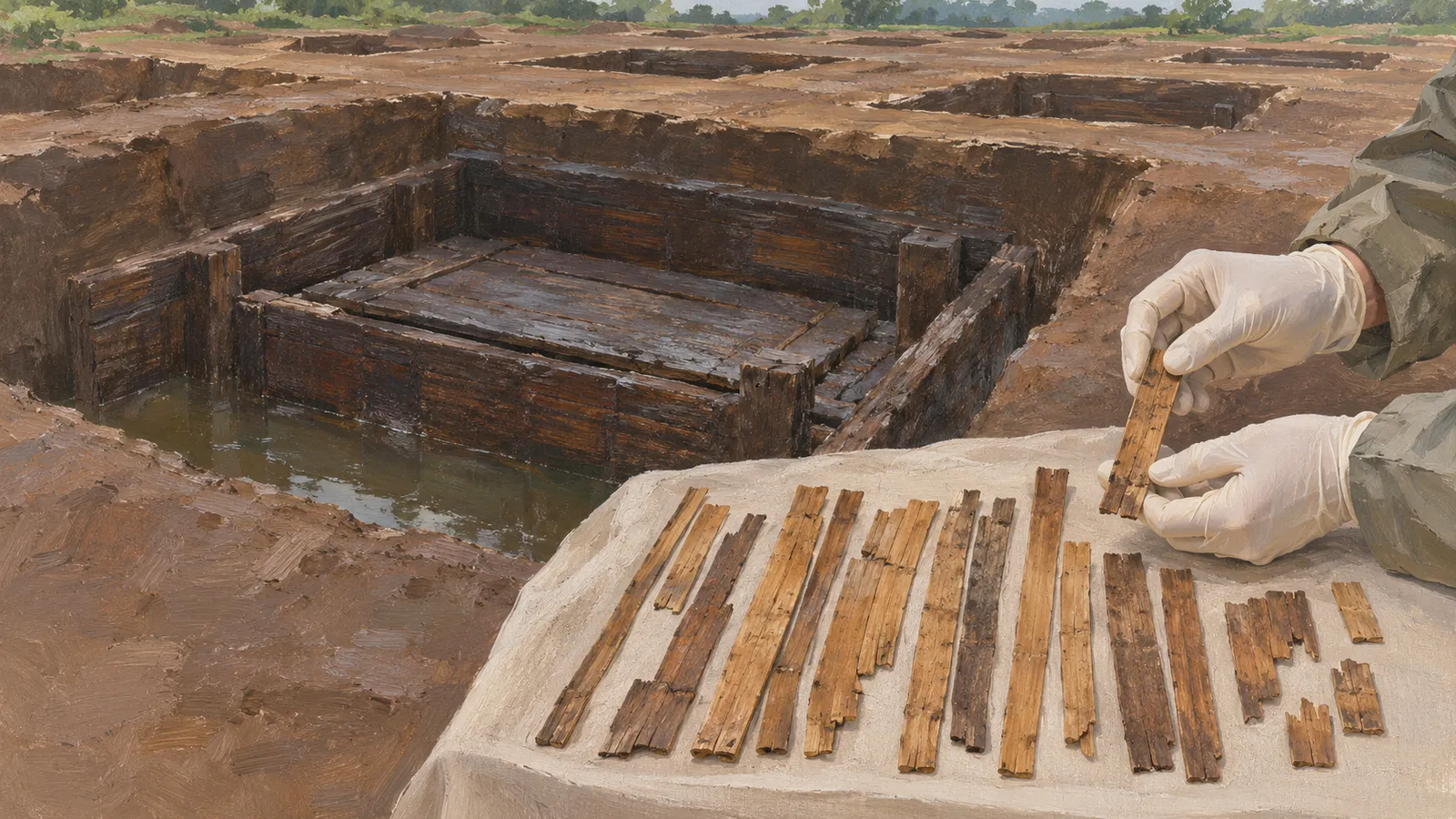
Archaeologists excavate 113 tombs at China’s Laohudun cemetery
China’s heritage administration announced the finds on 18 November, including 622 numbered bamboo and wooden slips that record Qin military administration and aspects of everyday life.
3 min
 Space
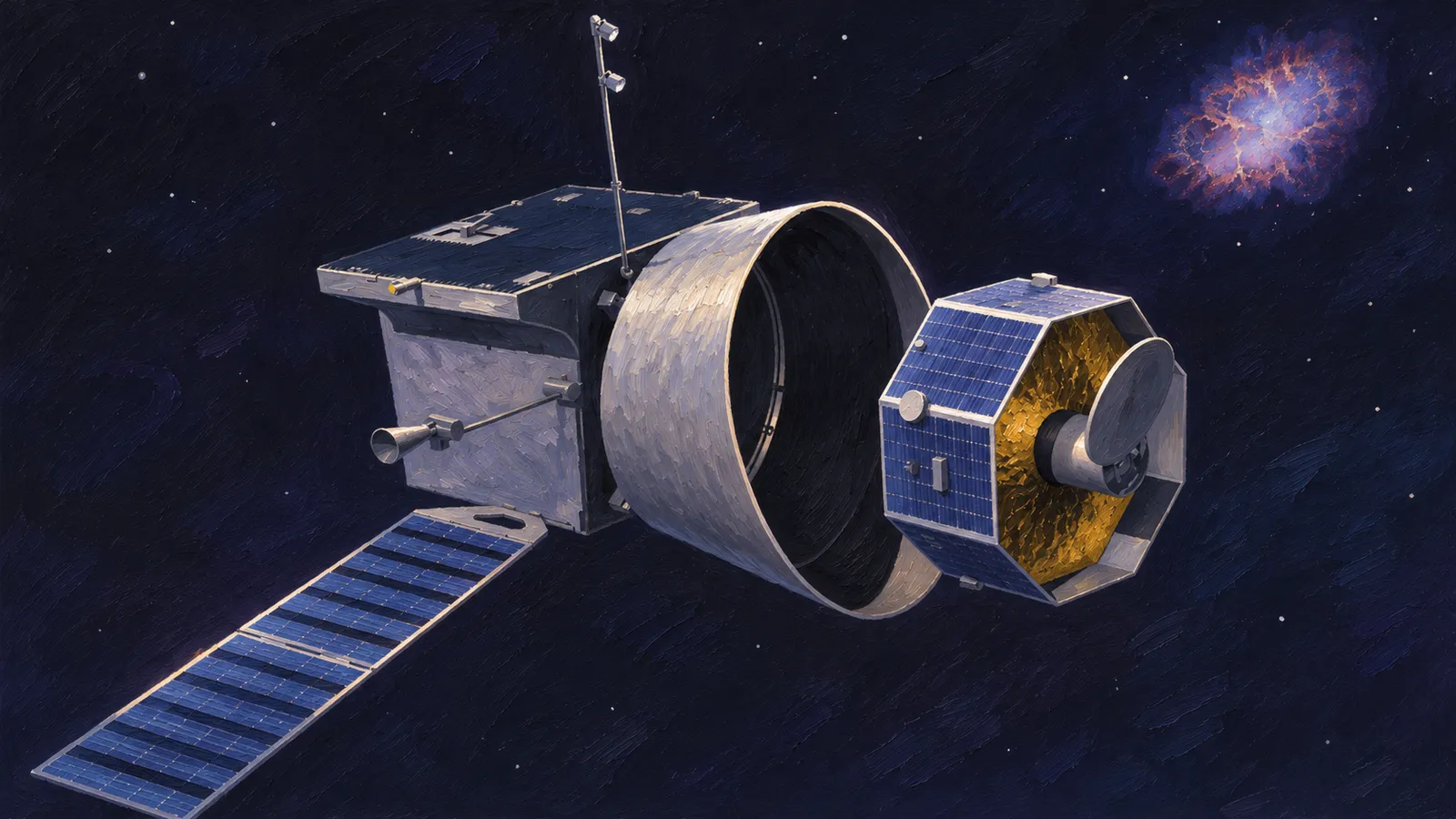
BepiColombo telescope captures first images of Crab Nebula
The Mercury-bound X-ray instrument observed the nebula to check its performance in space, giving scientists a calibration before it studies the planet.
3 min
 Earth
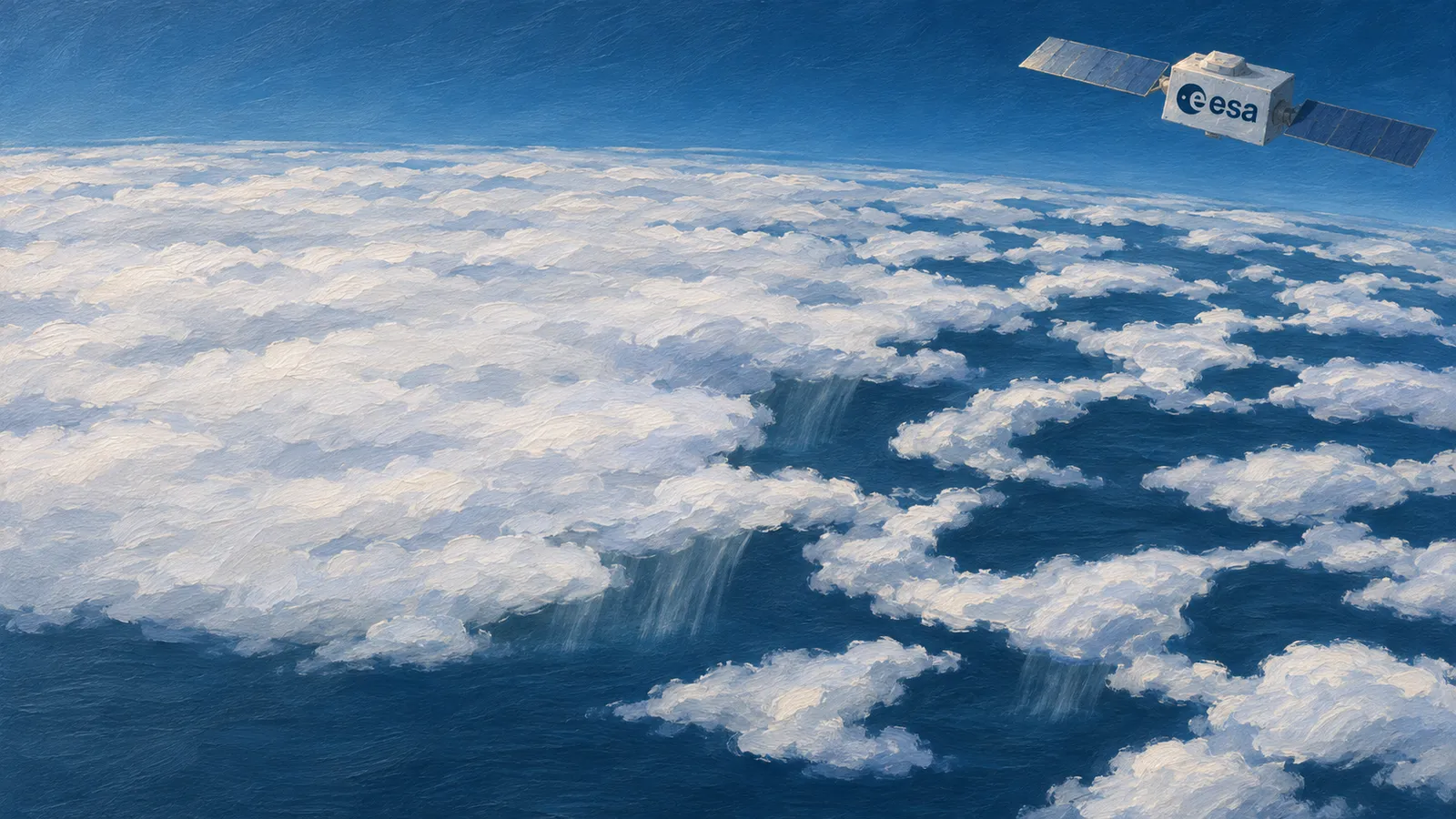
EarthCARE observations point to rain breaking up ocean clouds
Research fellow Johanna Mayer says the satellite’s observations point to rain as a key driver of a shift from continuous, reflective cloud decks to fragmented patterns over the ocean.
2 min


Sources
Show all 6 sourcesShow fewer
 Guardian ScienceSpacecraft reaches Mercury on second-ever mission to enter its orbit (opens in a new tab)
 esa.intLatest updates: BepiColombo's arrival at Mercury (opens in a new tab)
- esa.intBepiColombo entering orbit around Mercury (opens in a new tab)
- esa.intBepiColombo arrival at Mercury timeline (opens in a new tab)
- grokipedia.comBepiColombo (opens in a new tab)
- esa.intBepiColombo timeline (opens in a new tab)