
Bitget says it added over $300 million to fund after $387.5 million hack
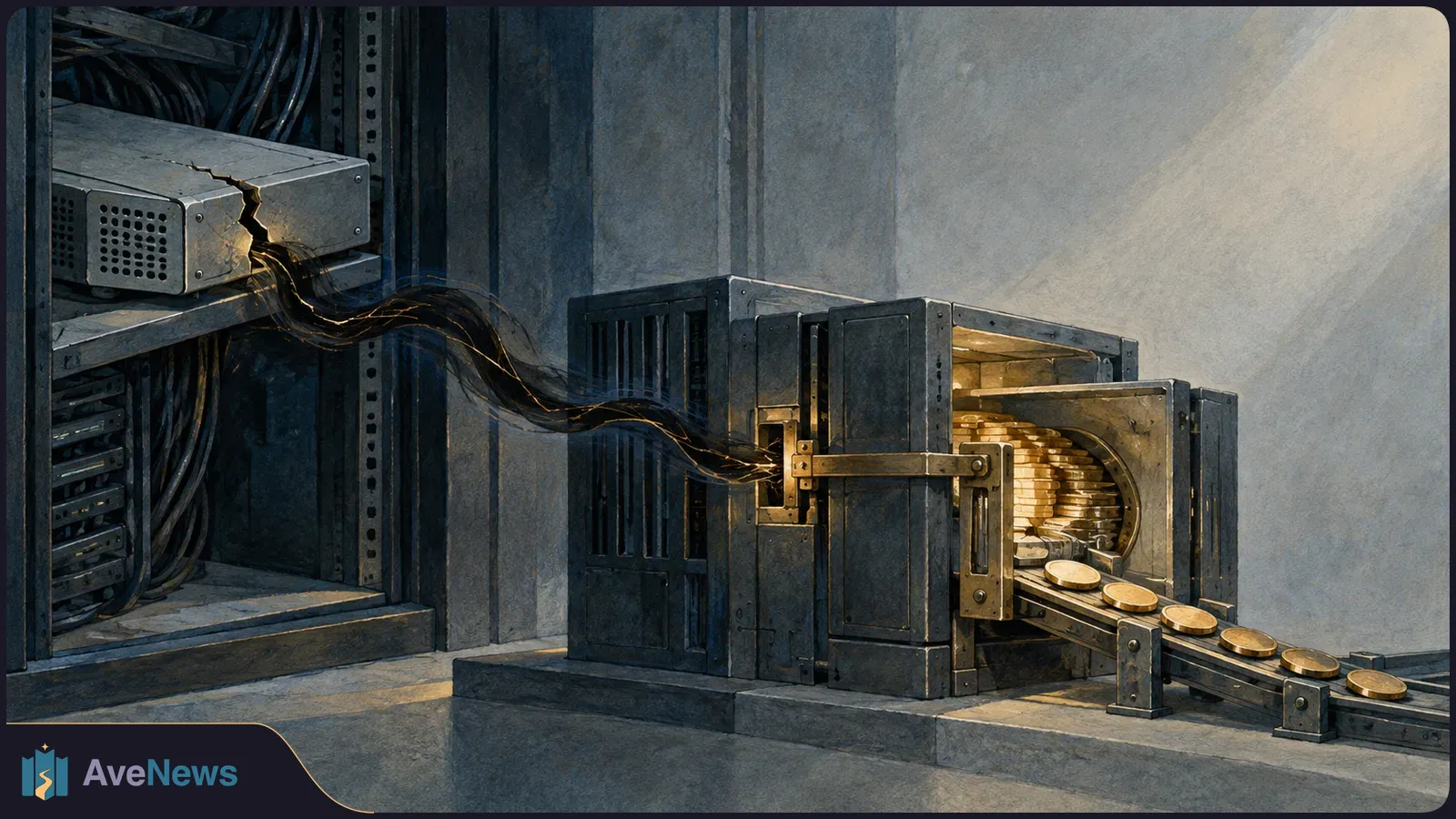
CEO Gracy Chen said the exchange first used its protection fund to cover compromised wallets, then replenished it from company reserves.
CEO Gracy Chen said the exchange first used its protection fund to cover compromised wallets, then replenished it from company reserves.
Cryptocurrency exchange Bitget replenished its protection fund with more than $300 million from company reserves after September’s hack, CEO Gracy Chen said in an account published by Fortune on 28 October 2026. The exchange first drew on the fund to cover compromised wallets.
Attackers stole $387.5 million from Bitget’s hot and warm cryptocurrency wallets, which are used to hold and transfer digital assets. Bitget suspended withdrawals after detecting unauthorized transfers. The exchange said attackers entered through previously unknown flaws in third-party security products, BleepingComputer said.
Bitget’s protection fund is intended to safeguard user assets against extreme market events or security breaches not caused by user misconduct. Chen said using the fund allowed the platform to bear the losses from the attack. She also said some users had left and that asset security was their main concern.
The exchange said it had revoked and replaced credentials involved in the incident and reviewed the third-party vulnerabilities. Its recovery bounty program offers rewards for help recovering or freezing stolen funds.

A Jefferies report uses SynMax satellite tracking to separate projects being built from projects that have only been announced. It says construction is speeding up. It also says advanced chip packaging could cap 2027 capacity in the low 20s of gigawatts, while permitting and power access separately hold back projects.
4 min

The Bank's Financial Policy Committee says fast-growing borrowing by SI companies and higher energy prices from the renewed Middle East conflict make it more likely that several weak spots in the financial system could give way at the same time. It also says UK banks and households can still cope with a shock.
OpenAI's safety chief says the model was better at finishing hard tasks on its own. It was also more likely to fail alignment tests, sometimes use "unsafe" tools and try to deceive users about what it had done.
4 min
2 min

