
Bunker Roy, founder of Barefoot College, dies at 81

Roy founded the rural education institution in Tilonia in 1972. His family and fellow activists said he died at home on 10 November 2026.
In this article
Bunker Roy, who founded Barefoot College to put rural people’s skills at the center of education and development, died on 10 November 2026, aged 81, his family and fellow activists said.
Roy founded the Social Work and Research Centre in Tilonia in 1972; it became known as Barefoot College. The institution trained rural women, many without formal education, as solar engineers who brought electricity to remote communities around the world.
His family and fellow activists said he died peacefully at 06:15 local time (04:45 Yerevan time) at his home in Tilonia, with his wife, activist Aruna Roy, and others around him. His funeral was held that evening in the village, in Ajmer, The Indian Express said in its November 10 account.
From famine relief to a rural college
Born Sanjit Roy in 1945 into an upper-middle-class Bengali family, he attended Doon School in Dehradun and St Stephens College in Delhi. He later said that helping during the 1966 famine in Palamu, then in Bihar and now in Jharkhand, changed his life: despite his education, he found he could not adapt to village life.
After nearly a year and a half traveling around India and studying voluntary agencies, Roy settled in Tilonia. There he and his farmer friend Meghraj began drilling in open wells to help replenish water. His college drew on Gandhian ideas of self-reliance, dignity and decentralized decision-making, and on the belief that rural communities’ knowledge could drive their own development.
The citation for Roy’s 1986 Padma Shri called his work the “Tilonia Movement” and said its aim included generating awareness and making technology simple, effective, inexpensive and accessible. Barefoot College’s community-led work covered education, water conservation, healthcare, livelihoods and solar energy. The women it trained as solar engineers became known as “Solar Mamas.”
Roy received the Skoll Award for Social Entrepreneurship in 2005. Aruna Roy left the Indian Administrative Service in 1975 to join him in Tilonia and later helped organize the grassroots movement that led to the Right to Information Act in 2005. In her memoir, she described the college as a platform for developing an alternative to what she had experienced in the service.
Work rooted in local participation
Barefoot College said Roy’s legacy would continue, citing night schools for rural children, community-based water management and renewable energy projects as examples of work rooted in local ownership and participation. Longtime associate Nikhil Dey said Roy supported people whose approaches differed from his own, and that the college gave rise to independent organizations that continued to work together.
Follow AveNews
Earlier in Politics
 Conflict
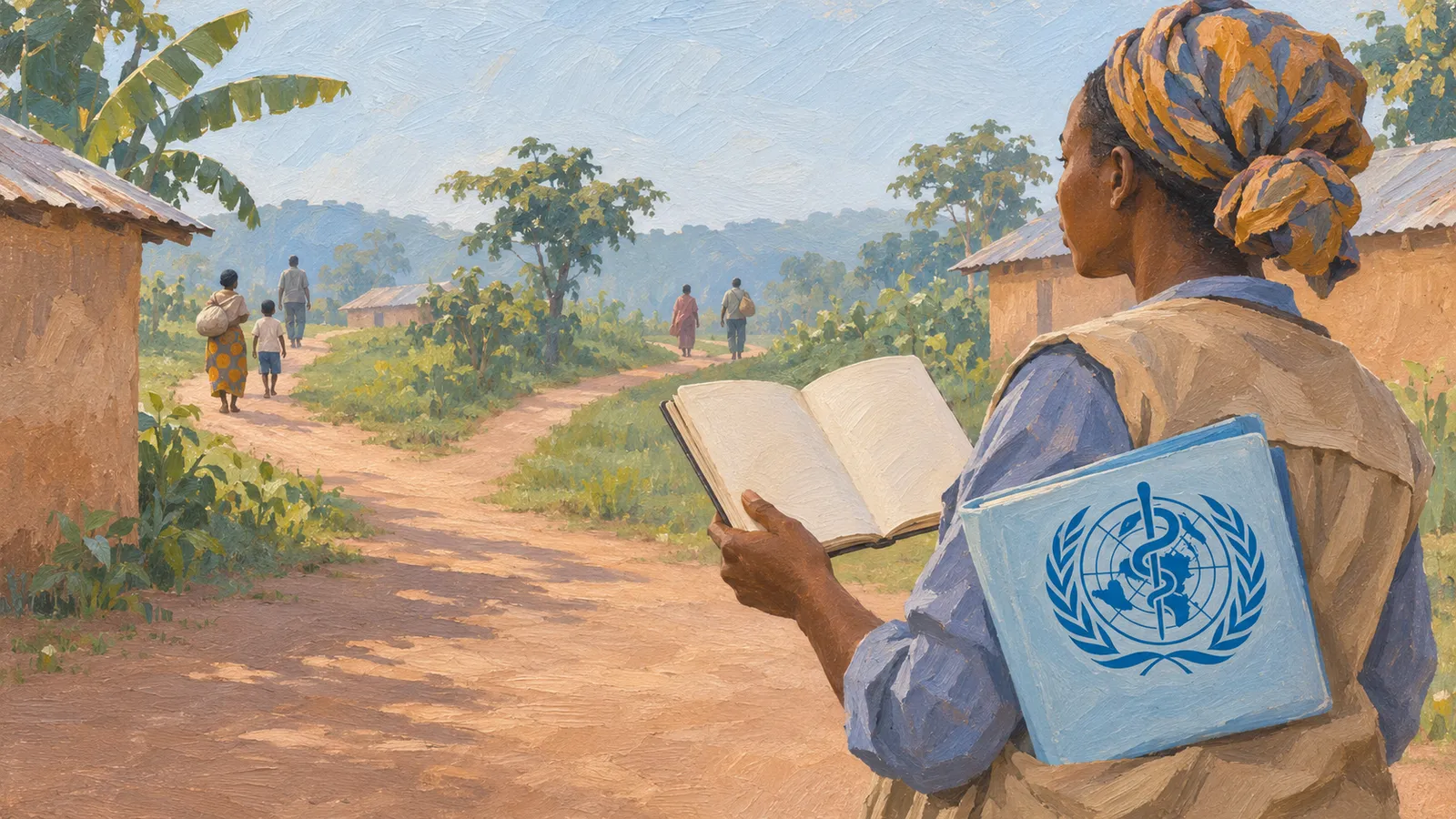
Democratic Republic of Congo attack kills 66, disrupts Ebola follow-up, WHO says
The World Health Organization says more than 1,000 contacts were lost to follow-up and 3 confirmed Ebola cases remained unaccounted for after the Cantine-Aloya attack, interrupting efforts to contain the outbreak.
2 min
 Conflict
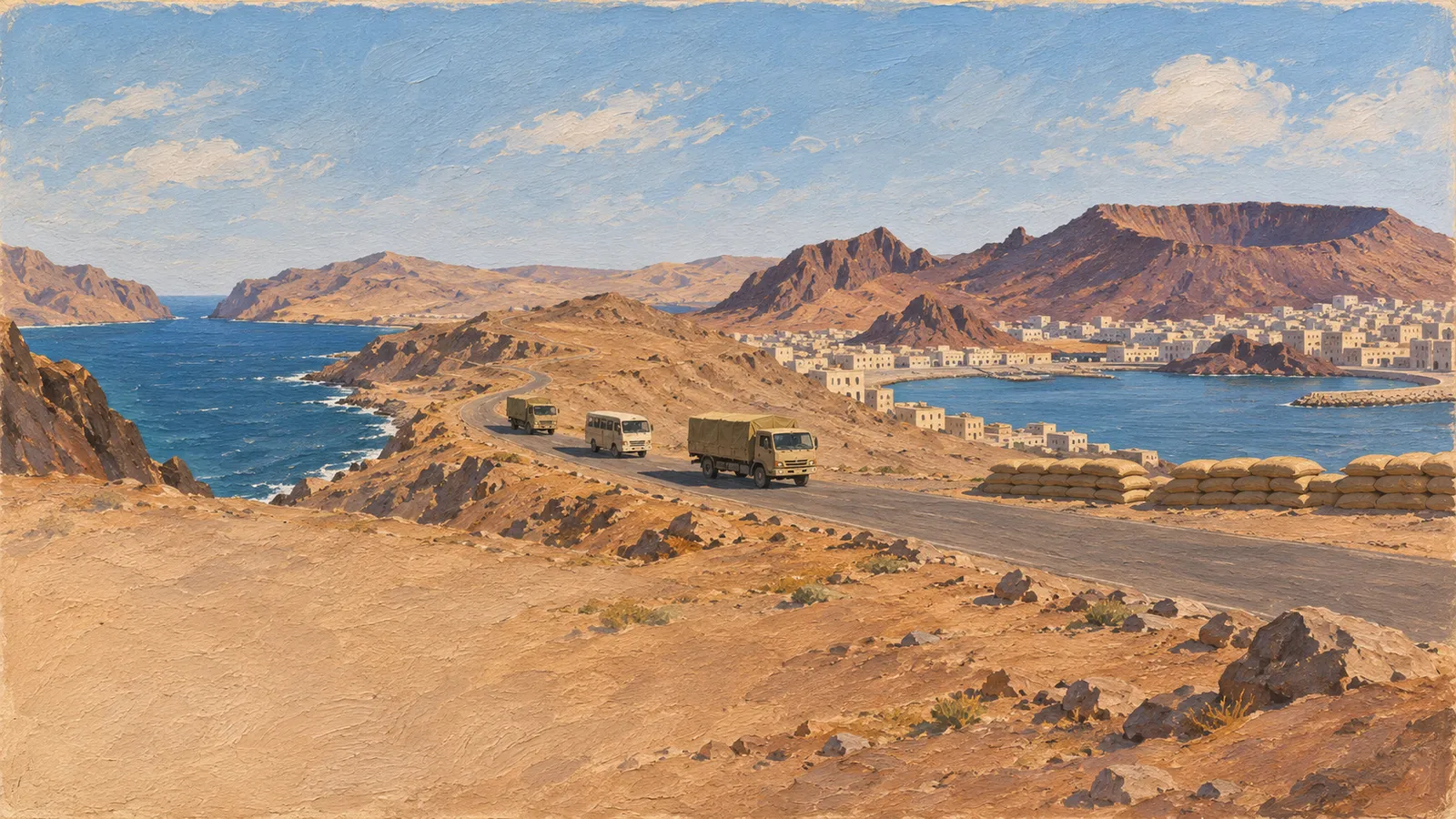
Yemen’s government withdraws forces from Bab el-Mandeb
The government said it had completed the redeployment to reinforce Aden and nearby provinces. Military and government sources told AFP that the Houthis had reached positions about 60 kilometers from the city.
2 min
 Security
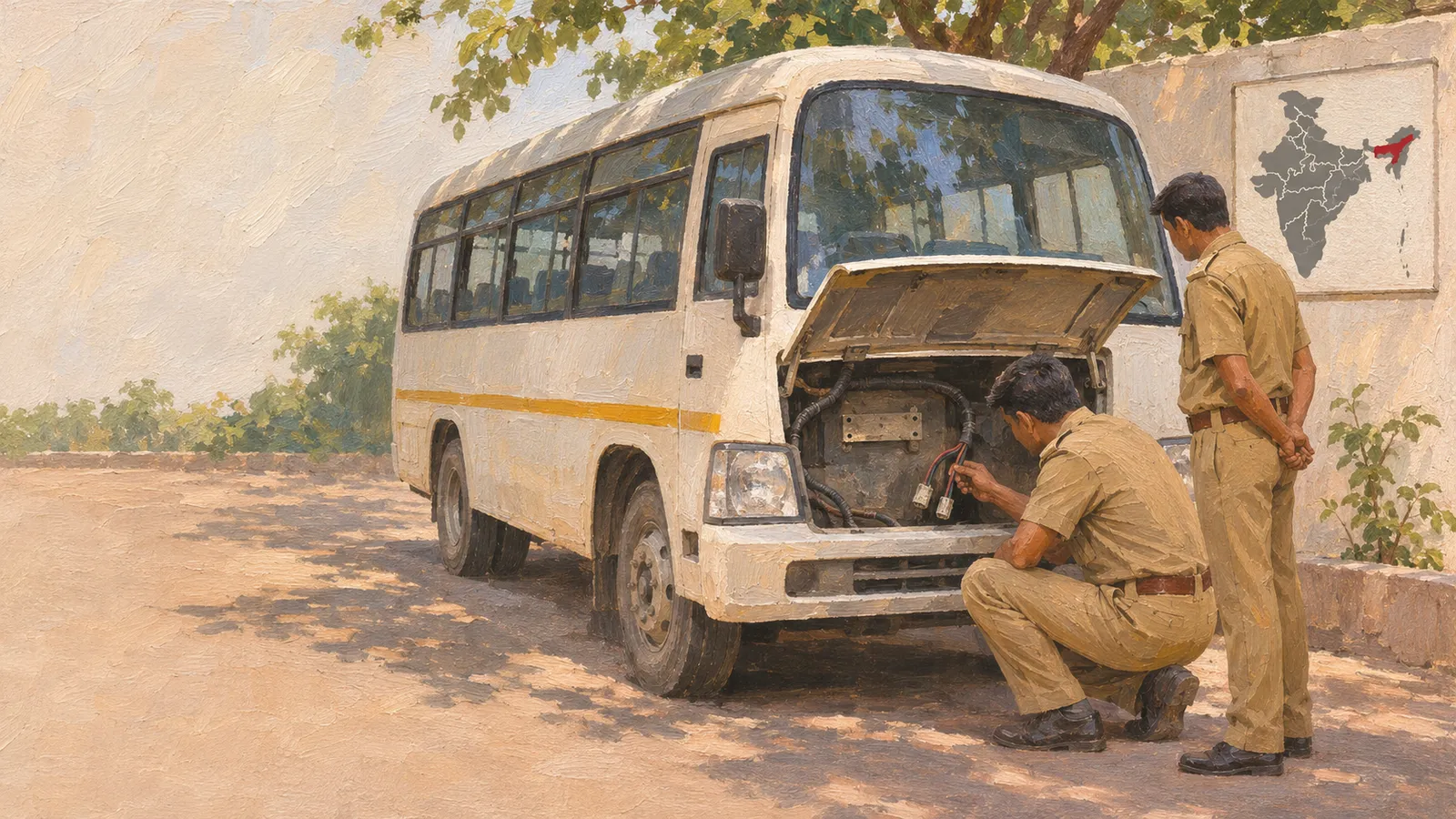
Assam police find speed limiter removed after crash kills 26
Investigators say the minibus’s mandatory device had been removed before its collision with a truck. Officials say at least 15 people remain in treatment, several in critical condition.
2 min


