Loading… Բեռնվում է…
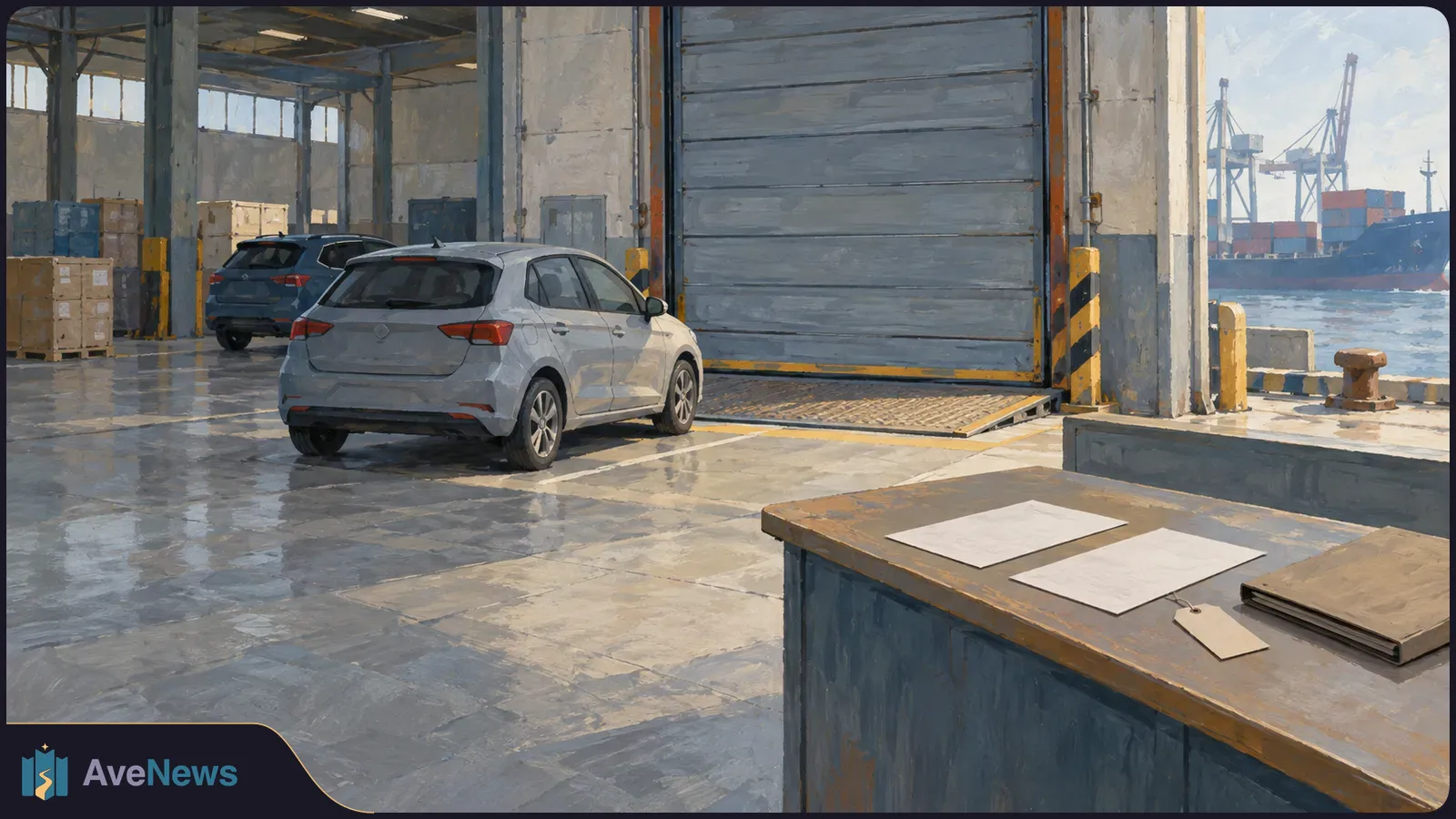
China's Commerce Ministry says it is willing to keep approving rare-earth exports to Europe even if the US–China trade truce expires in January.
China is willing to keep approving rare-earth export licences for Europe regardless of whether its trade truce with the US extends beyond January, Commerce Ministry spokesperson He Yadong told CNBC on 15 October. That is a stated intention to continue licence approvals, not a guarantee of shipments or an unconditional exemption from export controls.
The statement follows a preliminary, 16-point trade understanding reached between China and the European Union on 9 October after two days of talks in Beijing. Negotiations had run since June as trade tensions mounted, according to the Guardian. China presented the understanding as a way to prevent those tensions from worsening.
Export licences give official permission to ship goods abroad. China's Commerce Ministry had already said it was willing to facilitate approvals for rare earths and permanent magnets destined for the EU, a commitment EU Trade Commissioner Maroš Šefčovič also announced. Euronews described rare earths as materials essential to Europe's green-technology, defence and automotive industries.
China said it was willing to use a “green channel” mechanism to keep rare earths flowing to Europe, CNBC reported. China also asked the EU to support Chinese imports of certain products in dual-use sectors—industries with both civilian and military uses.

The January deadline concerns a separate US–China truce. In late October 2025, the two countries agreed to suspend for one year China's tightened rare-earth export restrictions and a US blacklist expansion covering majority-owned subsidiaries of listed Chinese companies. CNBC reported on 15 October that US Treasury Secretary Scott Bessent had said the truce was extended by two months to January.
Fortune's 10 October account describes Šefčovič's projection as a cut of up to 50% in Chinese electric and plug-in hybrid vehicle imports into the EU. The Guardian and Euronews reported his 9 October announcement as opening the prospect of cutting hybrid and plug-in hybrid exports by more than half. He projected “several millions” fewer vehicles over four years, according to the Guardian. These are forecasts, not reductions already achieved.
Hybrid cars combine an internal combustion engine with a battery. The proposed restraint concerns competition for European carmakers: Šefčovič said China had recognised political pressure over jobs at risk from cheap imports across several industries.
The Guardian's initial 9 October account referred more broadly to electric-vehicle export concessions; Šefčovič's subsequent announcement that day specified hybrids and plug-in hybrids. Fortune reported on 10 October that neither side had provided clear details of the preliminary deal.
China said both sides would follow “procedures concerning company price undertakings” for hybrid cars. A price undertaking is a company's commitment about the prices it charges. The Guardian interpreted the wording as suggesting that higher minimum prices for Chinese cars sold in Europe could be one way to curb sales. Following those procedures is not the same as adopting a minimum-price agreement.
Šefčovič said the understanding envisages lower Chinese most-favoured-nation tariffs—the standard import duties—for EU products including car parts, olive oil and footwear. The affected goods represent almost €4 billion, or about $4.5 billion, in current export value, he said. That figure describes existing exports, not additional sales or tariff savings.
Euronews reported Šefčovič's projection of at least €225 million in duty savings on those goods. Those would be lower customs charges, not savings already realised.
Šefčovič described the understanding as the conclusion of a “first phase of negotiations”. Talks will continue on cars, rare-earth export restrictions and access to China for more EU food and drink. The Guardian reported that the two sides acknowledged differences while remaining committed to maintaining trade.
China's Commerce Ministry said Commerce Minister Wang Wentao raised concerns about recent EU restrictions. He described China as a partner in solving the EU's problems, not their cause.
Fortune reported on 10 October that the preliminary understanding required approval from leaders across the 27-nation EU and that Šefčovič said he intended to seek it. The Guardian reported on 9 October that his briefing for EU diplomats in Brussels was scheduled for 11 October, ahead of a leaders' summit on 15 October; Euronews said leaders were expected to review the details there.
On 15 October, CNBC reported that European Commission leaders were scheduled to meet in Brussels on 15 and 16 October and were expected to review the trade negotiations. The two sides also plan to meet by video in January and in person in March. The March meeting was part of the schedule described in the Guardian's initial 9 October account.
The UK regulator will assess whether a sale of Energy Assets Group’s non-smart commercial gas-metering business would preserve a competitor.
2 min

Netflix announces a leadership change after beginning workforce cuts, putting Rice in charge of series, films and live events.
7 min

Andy Burnham indicates that restrictions could extend beyond startups, but has not specified a total ban or how the legislation would work.
2 min