
Guardian reports overcharging at 7-Eleven and Circle K
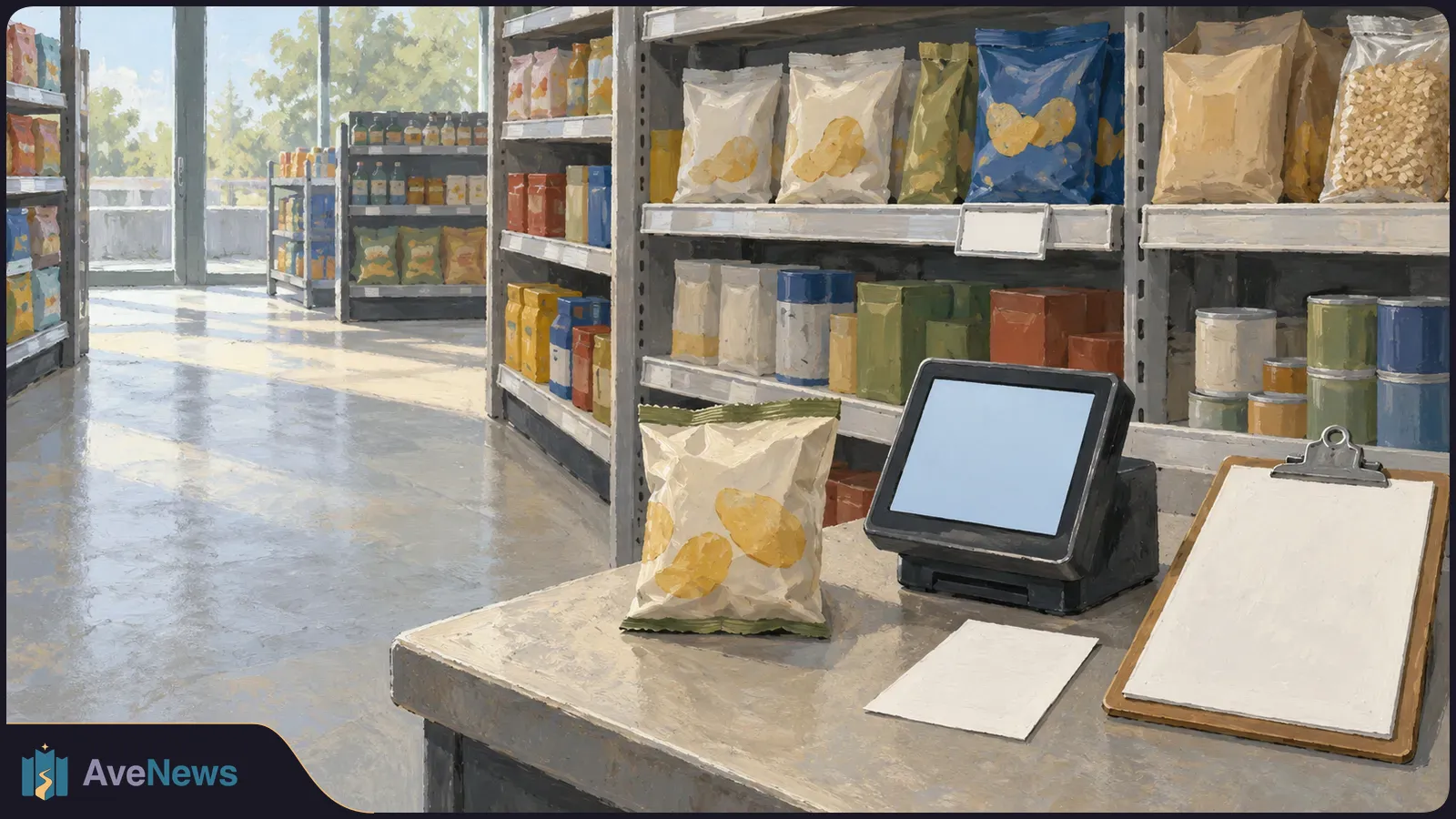
Price-inspection failures in several US jurisdictions have prompted lawmakers to request investigations into customers paying more than posted prices.
7-Eleven and Circle K stores frequently charged customers more at checkout or the fuel pump than prices displayed on shelves or outdoor fuel signs, the Guardian reported on October 3. The discrepancies affected snacks, fuel and other goods: customers paid more than the posted price.
The Guardian’s investigation reviewed customer complaints and state and local price-accuracy inspections—checks on whether the prices customers pay match those displayed. It reported the following inspection-failure rates for 2023–2025.
| Chain | Jurisdiction | Inspections failed |
|---|---|---|
| 7-Eleven | Arizona | 41% |
| 7-Eleven | Colorado | 47% |
| 7-Eleven | Utah | 47% |
| 7-Eleven | Los Angeles County | 37% |
| Circle K | Florida | 35% |
| Circle K | Arizona | 39% |
| Circle K | North Carolina | 62% |
These are percentages of inspections that failed, not percentages of all stores that overcharged customers. It remains unclear how stores were selected for inspection, how representative the results are of either chain as a whole, and how much customers lost in total.
Experts told the Guardian that limited inspection and enforcement resources across much of the United States make the problem harder to address. The newspaper also reported that modest fines—and even large settlements—often fail to stop well-funded retail chains from charging more than posted prices.
Dean Baker, identified in the report as a senior economist at the Center for Economic and Policy Research, argued that substantial fines for each overcharge could encourage stores to match shelf and register prices. His example was hypothetical: a $50 fine for every instance of overcharging a customer by 10 or 20 cents on a pound of apples. It was a proposal, not an announced penalty.
Neither chain answered the Guardian’s detailed questions, the newspaper said. In brief statements, 7-Eleven said it takes pricing accuracy “very seriously”, while Circle K said it is “committed to complying with all applicable laws and regulations”.
The findings prompted requests for regulatory investigations. Vermont Representative Becca Balint asked the Federal Trade Commission, a US consumer-protection regulator, to investigate and hold the companies accountable if they were deliberately misleading customers. Her request did not establish that deliberate deception had occurred.
California Representative Laura Friedman called for state and local investigations and accountability for stores found to have broken the law. These were requests for investigations, not announcements of a new enforcement action.
The French startup plans to expand software that helps employers calculate and reimburse the cost of charging company electric vehicles at home.
2 min
Workers expect to return in six to 12 months, while the Canadian armored-vehicle maker says it aims to protect and expand employment.
2 min

The one-time benefit targets a limited group in traditional Medicare, with most direct deposits expected on or around Friday.
2 min
