
Early PS2 security-chip firmware extracted and published
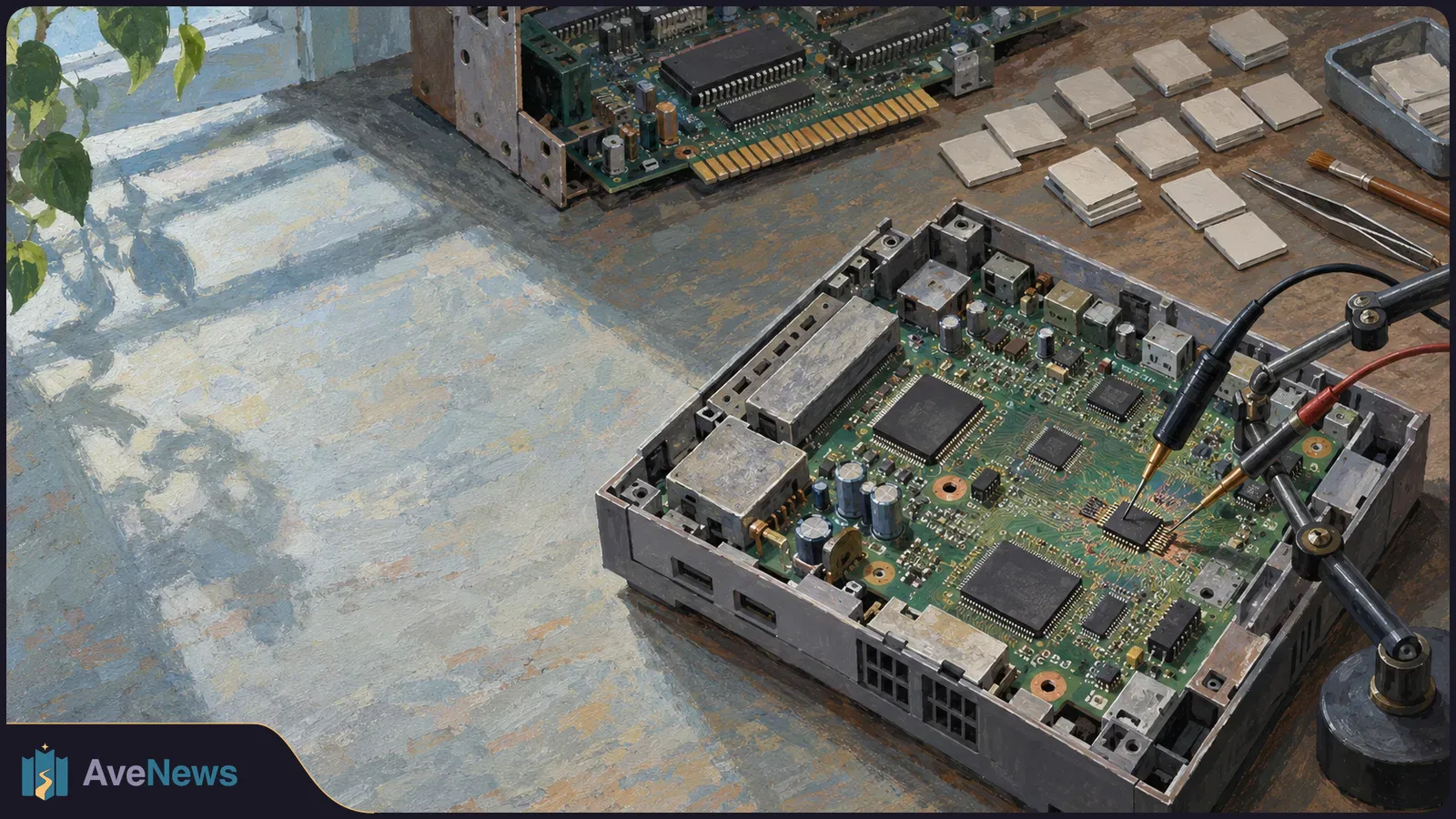
The 22 images let researchers inspect previously unread code, but they do not amount to a working console unlock.
The 22 images let researchers inspect previously unread code, but they do not amount to a working console unlock.
Researchers have extracted previously unread code from the SPC970 MechaCon, a chip that authorizes discs and handles much of the security in early PlayStation 2 consoles. Engadget reports that developer DiscoStarslayer retrieved the firmware—the chip’s built-in software—and credited collaborator Libby with finding the flaw that made extraction possible.
The project published its tools and 22 firmware images on GitHub. The images cover early “fat” PS2 models, from Japan’s SCPH-15000 of 2000 through the 39000 series of 2002, as well as the Namco System 246 and 256 arcade boards that used the same chip. Access to this code opens a search for security weaknesses; it is not itself a working unlock.
Researchers extracted firmware from the later Dragon MechaCon in 2021. MechaPwn, an exploit that makes supported later PS2s region-free and lets them read backup discs, followed a month later. MechaPwn does not support the earlier SPC970 machines. Those consoles can already run backups through memory-card and hard-drive exploits, but a chip-level unlock remains a research goal.
The SPC970 keeps its code in mask ROM, memory whose contents are fixed during manufacture and cannot be patched. A separate 1KB EEPROM, a type of rewritable memory, holds calibration and configuration settings. The spc970-dumper-union enthusiast group redirected a configuration-storage write so the chip copied its ROM code into the EEPROM. The console could then read the copied code. Repeated passes retrieved the firmware without rewriting the ROM.
That process carries a hardware risk. Each extraction repeatedly rewrites the EEPROM and shortens its life: the memory tolerates only a limited number of writes and has no mechanism to spread them around to reduce wear. The tool backs up the settings, restores them afterward and checks the result, but Libby’s original dumper warns that a console may stop operating normally or require hardware-level repair.
The extraction does not provide new game decryption, because PS2 games were not encrypted. It does expose code behind Sony’s MagicGate encryption for memory cards and KELF executables—programs the console boots from discs and memory cards. The images alone also lack enough information to build an optical-drive emulator, a device that replaces the disc drive.
Contributor uyjulian expects the firmware to help with full-system low-level emulation, which reproduces the console’s individual hardware components in detail. PCSX2 currently recreates MechaCon commands in software rather than running the chip’s firmware, using stored configuration and version data to stand in for the hardware.
Uyjulian also identifies an early-console unlock as a goal. The later Dragon chip’s ability to accept updates gave researchers a route to the MechaPwn exploit. The SPC970 cannot accept code updates, so researchers still need to find a weakness that can turn access to its code into a working unlock.
The time-loop team shooter went through several tests. Krafton says its current direction could not sustain players’ enjoyment over the long term.
2 min
Michael B. Jordan is on board as a producer but only a possible star. Sony declined to comment on negotiations for the video game adaptation, according to Eurogamer, citing Variety.
Mike Patton’s Italian pop project shifted to Mexican songs for a Spanish-language encore at Bellas Artes, where Mariachi Gama 1000 joined him onstage.
1 min
1 min
