
CISA identifies credential-exposure flaw in EasyIO Neo controllers
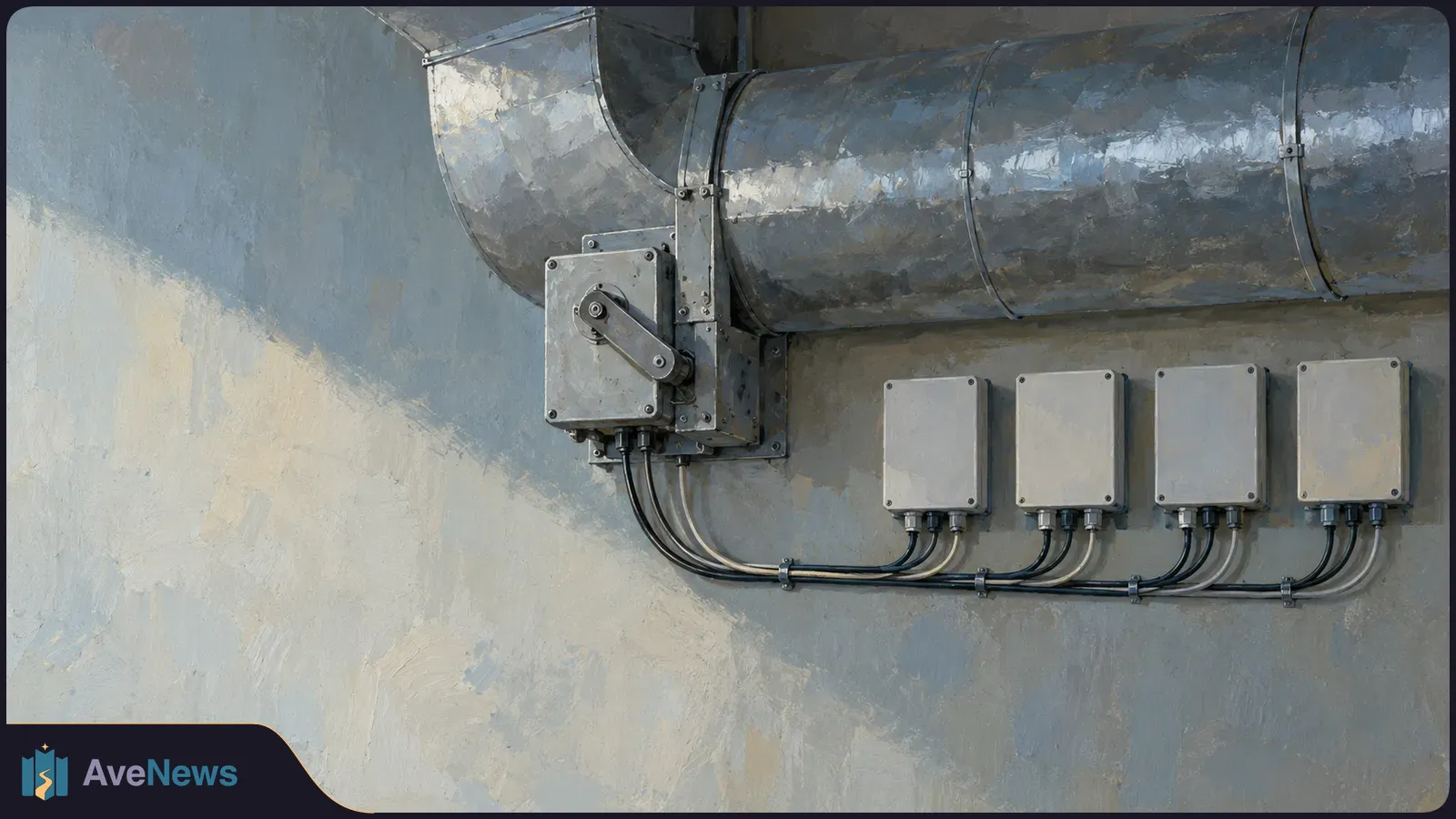
Four EC and CW controller versions are affected. The devices manage heating, ventilation, air conditioning, lighting and energy systems in commercial buildings.
Four EC and CW controller versions are affected. The devices manage heating, ventilation, air conditioning, lighting and energy systems in commercial buildings.
CISA’s October 1, 2026 advisory identifies a vulnerability in Johnson Controls’ EasyIO Neo building controllers that could let an attacker intercept and read sensitive information, including credentials and session data. The flaw, tracked as CVE-2026-64893, involves information sent over a network in cleartext—without encryption.
EasyIO Neo is a programmable controller that manages heating, ventilation and air conditioning, lighting and energy systems in commercial buildings through a web-based interface. The advisory says successful exploitation could have technical or operational effects; it does not describe a confirmed disruption to those systems.
| Controller series | Affected versions |
|---|---|
| EasyIO Neo Series EC | V3.3b62 and V3.3b63 |
| EasyIO Neo Series CW | V3.3b24 and V3.3b25 |
The advisory rates the vulnerability as medium severity under versions 3.1 and 4.0 of the Common Vulnerability Scoring System, a standard system for rating security flaws. CISA says the vulnerability has high attack complexity. As of the October 1 advisory, no known public exploitation specifically targeting the flaw had been reported to the agency.
CISA recommends defensive measures to reduce exploitation risk and points organizations to general guidance for securing industrial control systems. The agency advises assessing risks and possible operational effects before putting defensive measures in place.
CISA has not specified a patch or product-specific remedy in the advisory. Its general defensive recommendations are not a confirmed fix for this vulnerability.

Salesforce plans to integrate the startup’s technology into Marketing Cloud and Service Cloud. Final deal terms remain undisclosed.
2 min

The restriction applies when Advanced Protection is enabled. Google says it is intended to block malware abuse while preserving assistive technology.

The rules take effect July 1, 2028, and also require on-site assistance, US-based licensed remote drivers and better incident reporting.
2 min
