
Fuel costs outpaced minimum wages across much of Europe
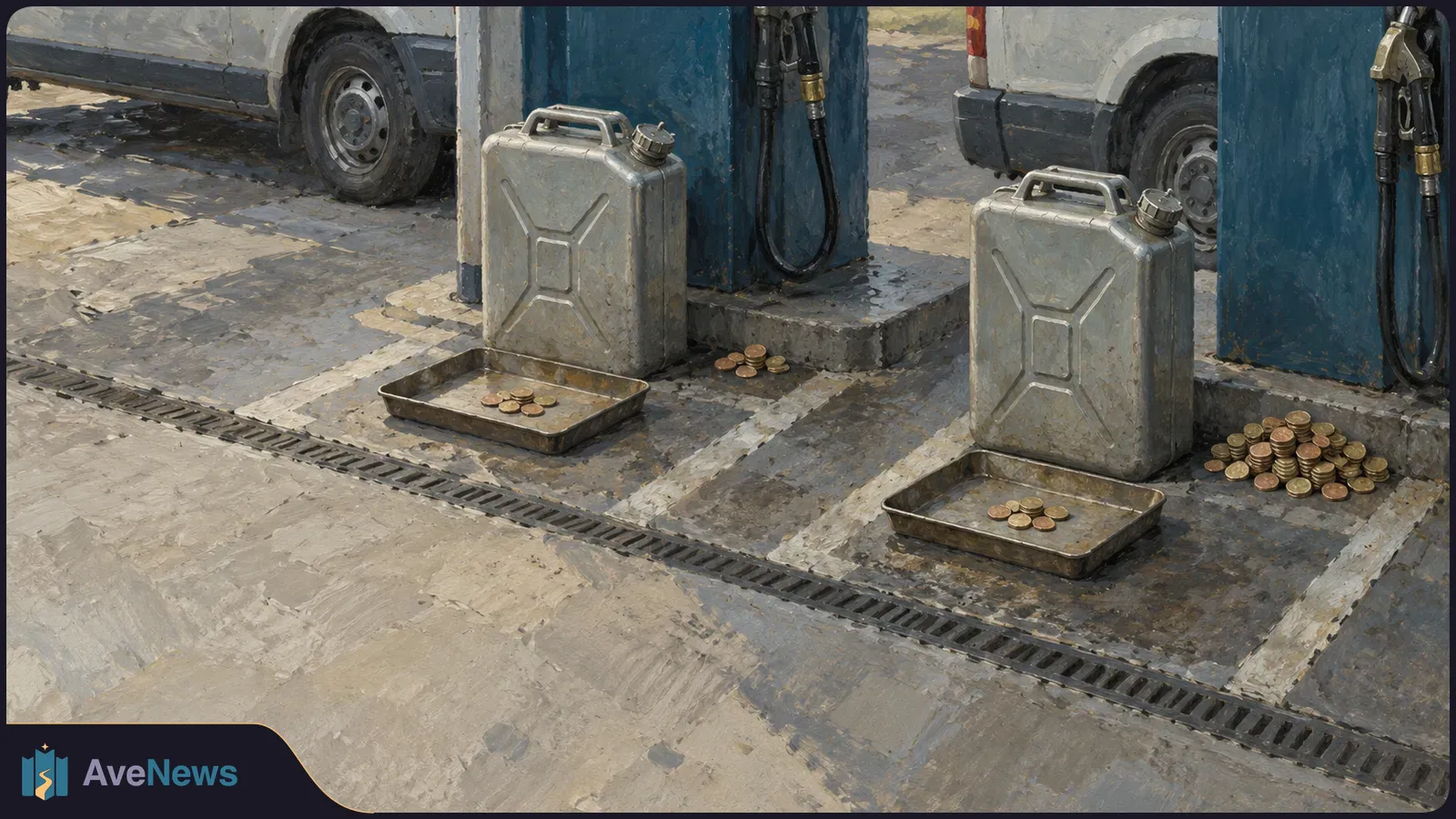
Euronews’s February-to-September 2026 comparison shows why similar diesel prices place a much heavier burden on minimum-wage workers in Bulgaria than in Luxembourg.
Filling a 50-litre diesel tank cost 15.4% of Bulgaria’s gross monthly minimum wage in September, up from 9.9% in February—a rise of 5.5 percentage points. The comparison, published by Euronews Business on 1 October 2026, shows how rising fuel prices took a larger share of low-paid workers’ wages.
Euronews compared fuel prices on 23 February and 21 September 2026 with gross monthly minimum wages across 22 EU countries and Turkey, an EU candidate country. Gross wages are pay before tax and social security deductions, not take-home pay. The fixed 50-litre tank is a way to compare affordability; it does not measure how much fuel workers use each month.
| Country | Share of gross monthly minimum wage |
|---|---|
| Bulgaria | 15.4% |
| Luxembourg | 3.8% |
Minimum wages remained unchanged in most countries during the comparison period, Euronews reported. Meanwhile, EU average consumer prices rose more sharply for diesel than for petrol. Euronews cited the EU Weekly Oil Bulletin for its diesel-price comparison.
| Fuel | 23 February 2026, €/litre | ||
|---|---|---|---|

Euronews linked the price rises to the effective blockage of the Strait of Hormuz following the joint Israeli-US attack on Iran. The strait is a route through which one-fifth of global oil passes.
Fuel prices alone do not explain the gap between Bulgaria and Luxembourg. Torsten Müller, identified in the October report as a senior researcher at the European Trade Union Institute, told Euronews that diesel was only marginally cheaper in Bulgaria, while its minimum wage was less than one-quarter of Luxembourg’s. He attributed much of the difference in affordability to these wide wage gaps.
Müller said lower-income households are particularly exposed because housing, food and transport already consume a larger proportion of their income than they do for higher-income households.
Esther Lynch, identified in the October report as general secretary of the European Trade Union Confederation, warned that fuel costs would force people to give up their jobs, particularly where reliable public transport was unavailable. She said this would hurt both workers and companies already facing labour shortages.
Removing the additives changes how meat is preserved. The Food Standards Agency says there is no evidence that processed meat made without them is safer.
2 min

The suspension covers the Netherlands and Belgium. It is a retailer decision, separate from a Dutch regulator's warning about sharing recordings of identifiable people.
2 min

The exchange’s local licences lapsed under MiCA. The reported examination concerns whether it can keep serving EU customers who seek out its services themselves.
2 min
House style applied: Armenian punctuation, date and money forms.
