
Falcon Heavy recovered two NROL-97 boosters and expended its center core
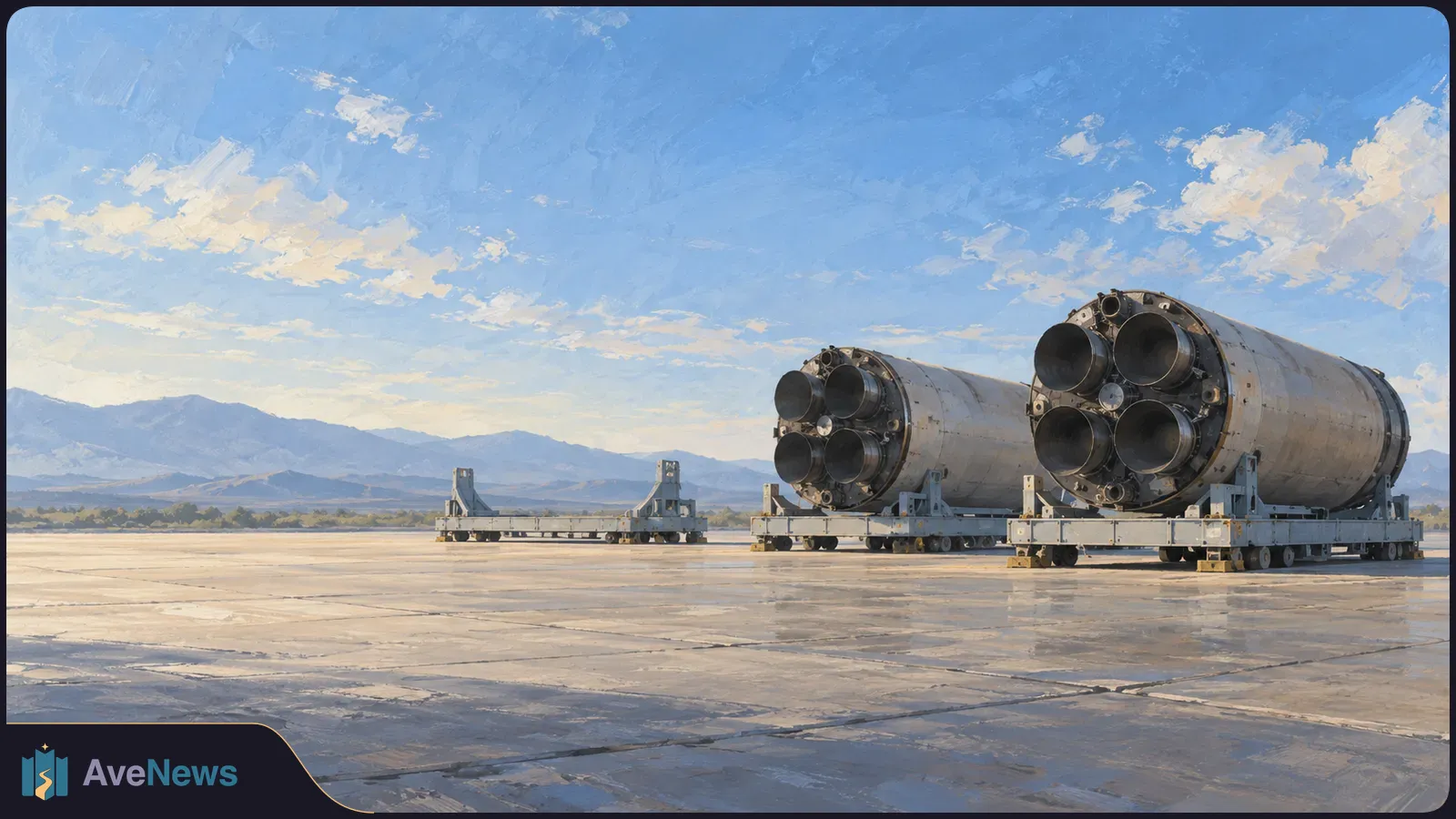
NASASpaceflight attributes the choice to payload mass and the required trajectory. The payload’s mass, identity and exact orbit remain classified.
NASASpaceflight attributes the choice to payload mass and the required trajectory. The payload’s mass, identity and exact orbit remain classified.
SpaceX’s Falcon Heavy recovered its two side boosters after launching the classified NROL-97 payload for the United States National Reconnaissance Office, according to NASASpaceflight’s October 1 report. The center core was expended instead. NASASpaceflight attributes that decision to the payload’s mass, saying it maximized launch performance for the required high-energy trajectory.
The report places the launch at Kennedy Space Center in Florida. The exact launch time remains unclear: NASASpaceflight describes both a scheduled liftoff and a completed launch, with inconsistent October 1–2 calendar and UTC timing.
Falcon Heavy’s first stage consists of three Falcon boosters mounted side by side, each with nine engines. That arrangement allows the mission to recover the outer boosters without recovering the center core. NASASpaceflight says the outer boosters usually return to land, while the center core is mostly expended.
For NROL-97, the tradeoff was between recovering the center core and maximizing performance for payload delivery. The mission retained two previously flown boosters for possible reuse, but used center core B1106 only once.
| Booster | Flight number | Previous missions | Outcome |
|---|---|---|---|
| B1072 — side booster | Fourth | GOES-U, ViaSat 3 F3 and Nancy Grace Roman Space Telescope | Landed at Landing Zone 2 |
| B1104 — side booster | Second | Nancy Grace Roman Space Telescope | Landed at Landing Zone 1 |
| B1106 — center core | First and final | None | Expended |
The term “high-energy orbit” does not identify a single destination. Falcon Heavy’s reported maximum capacities illustrate how the destination affects the mass it can carry.
| Destination | Maximum payload mass |
|---|---|
| Low-Earth orbit | 63,800 kg |
| Geostationary transfer orbit | 26,700 kg |
NROL-97’s payload mass, identity and exact orbit remain classified. NASASpaceflight interprets the rocket choice and expendable center core as suggesting a high-mass payload. Its proposed orbital destinations and discussion of possible surveillance uses are speculation and general context, not confirmation of where NROL-97 went or what it does.
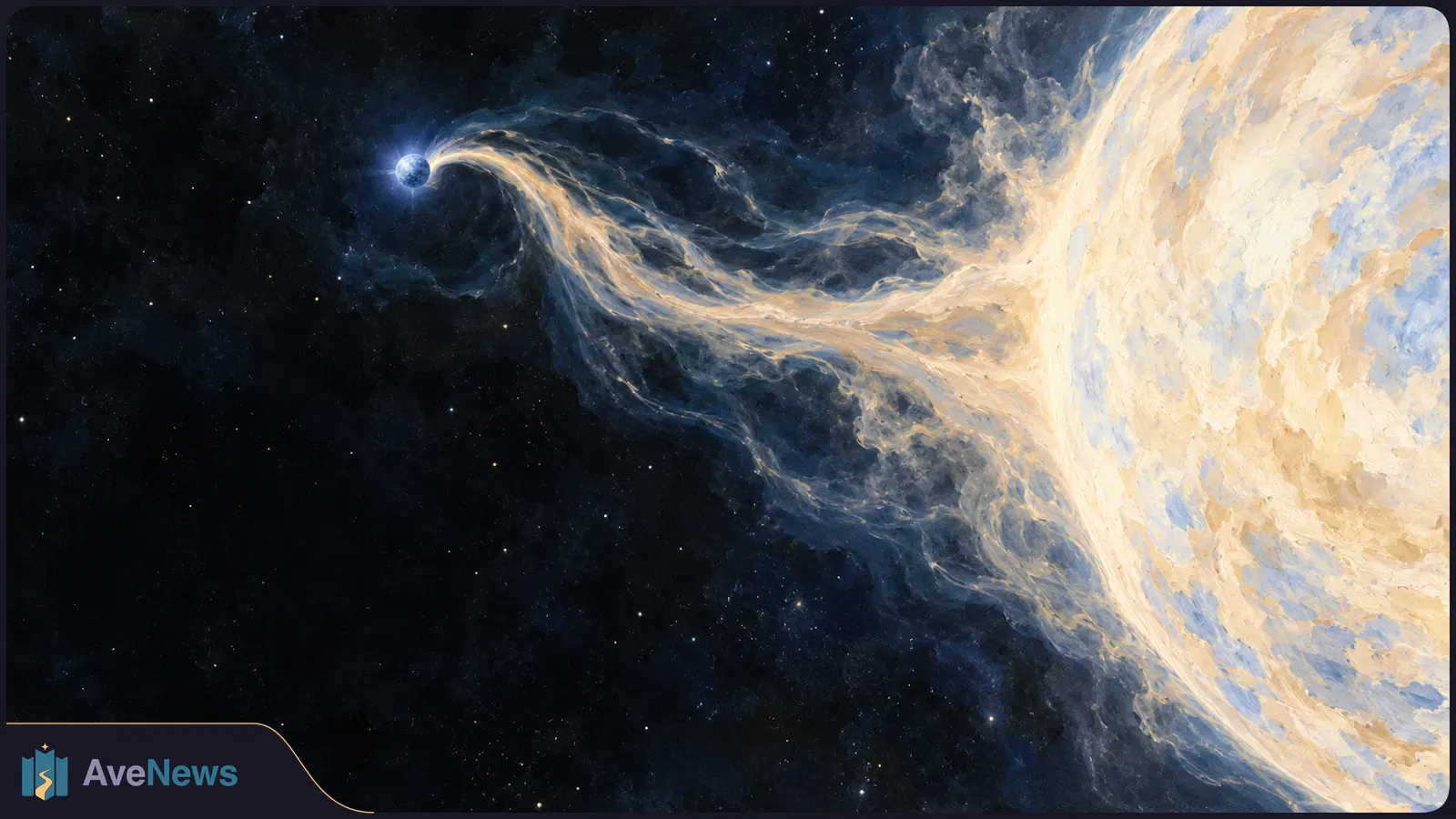
A 16-hour observation of BP Crucis let researchers infer how gas from a giant companion star moves close to a neutron star.
3 min

The thinktank compares a three-bedroom home using only a gas boiler with one using heat pumps and solar panels. Scrapping the standard remains an opposition proposal.
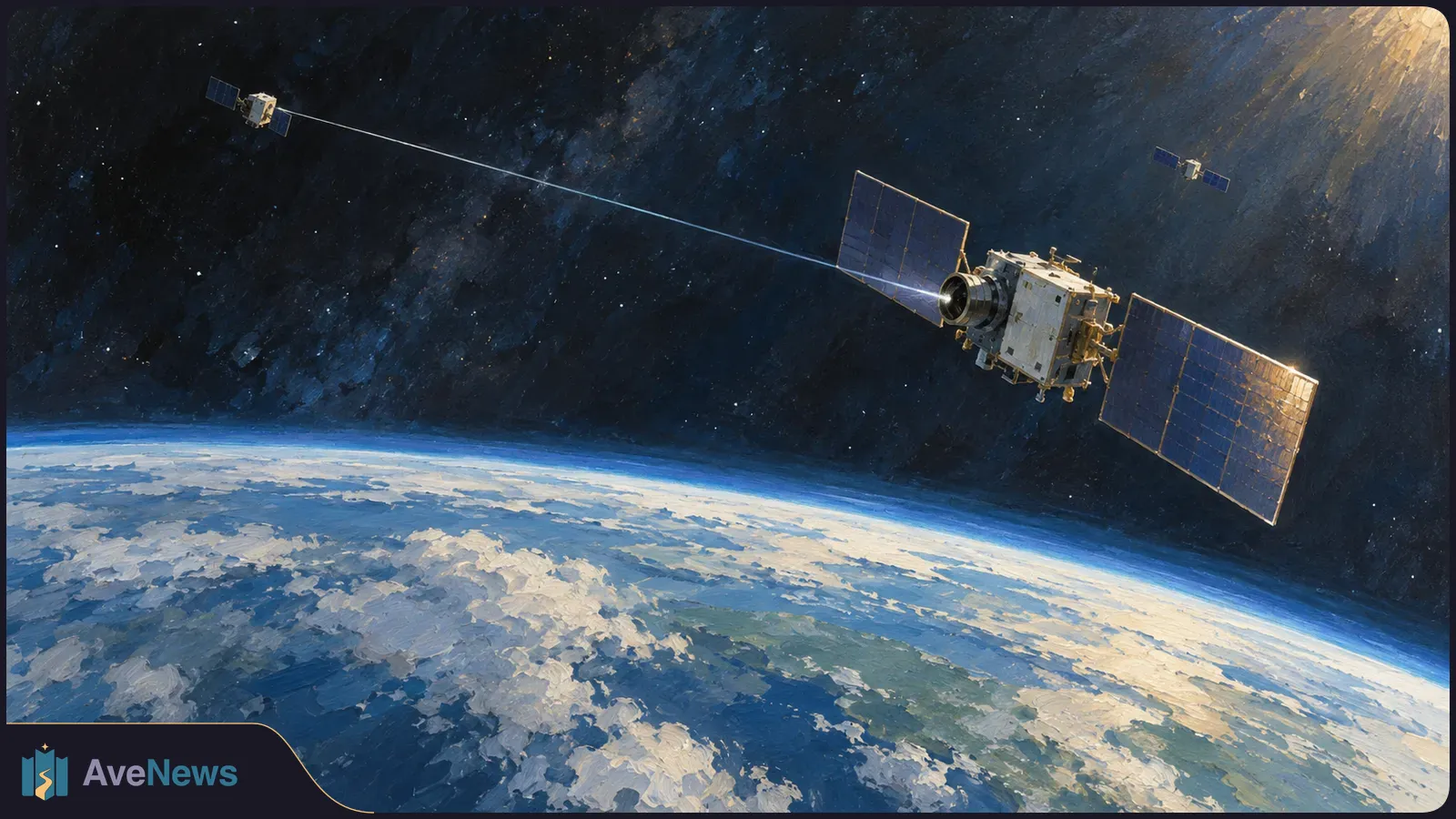
The Falcon 9 booster returned to land after liftoff from California, five days after an automatic abort halted the first attempt.
3 min
