
Finland permits Tesla’s assisted driving system provisionally
The transport agency recognized a Dutch approval after Tesla renamed Full Self-Driving (Supervised) and changed its speed controls. Drivers remain responsible for their cars ahead of an EU-wide decision.

In this article
Finland announced provisional permission for Tesla Assisted Driving on 11 November 2026, allowing drivers to use the system on Finnish roads ahead of an EU-wide decision. Finland’s Transport and Communications Agency, Traficom, recognized a provisional approval granted by the Dutch authority.
Finland had indicated in June that it could approve the technology before an EU decision. Nearly a dozen countries, including Slovakia and Belgium, have granted provisional approvals, but Tesla has not secured backing from any of the EU’s largest member states, Reuters said.
The system can steer, accelerate and brake automatically under supervision. Traficom says drivers remain fully responsible for driving, even when they are not touching the controls.
Name and speed controls changed
Traficom said its decision followed changes by Tesla, including removing references to self-driving from the former name, Full Self-Driving (Supervised). The company also tightened speed controls that critics said encouraged speeding.
Drivers can no longer encourage the system to continuously maintain a speed 50% above the limit, Traficom said. Settings that allow speeding reset to the speed limit whenever the vehicle restarts, and the information shown to drivers about selected speed settings has been expanded and clarified.
Traficom senior specialist Jukka Juhola said early permission would let drivers become familiar with the system before the most difficult winter conditions arrive. Finland has 8,000-9,000 compatible Teslas; Juhola said they represent around 0.3% of cars on Finnish roads, and their small number was another reason to proceed.
Drivers must stay ready to intervene
Drivers must monitor the system throughout a trip and be ready to steer, brake or accelerate, Traficom says. If they anticipate an error, they must intervene before the system asks for help. They must also watch the active speed settings and actual speed, obey speed limits and pay any speeding fine.
Juhola said winter conditions were considered in the system’s design and approval assessment, but snow, slush or dirt covering its cameras, or unusually difficult traffic conditions, may limit its operation.
EU vote still ahead
EU-wide approval requires a successful vote in the European Commission’s Technical Committee – Motor Vehicles, with support from a qualified majority of EU states. Finland’s national permission does not commit it to voting in favor; Traficom says the country will follow discussions on the system’s features before deciding its position.
Traficom expects a decision during the coming winter, and the next meeting at which a vote could take place is scheduled for December. It expects further changes before EU-wide approval to help drivers remain alert without significantly changing how the system is used.
If the vote succeeds, approval would take effect across the EU approximately 3 weeks later, Traficom says. An EU rejection would invalidate national approvals already granted, including the permission on which use in Finland depends.
Earlier in Business
 Companies
Germany’s competition authority challenges PayPal surcharge ban
The Federal Cartel Office says the ban may restrict competition and violate the law. PayPal disagrees with the preliminary finding and can comment before the proceedings continue.
2 min
 Economy
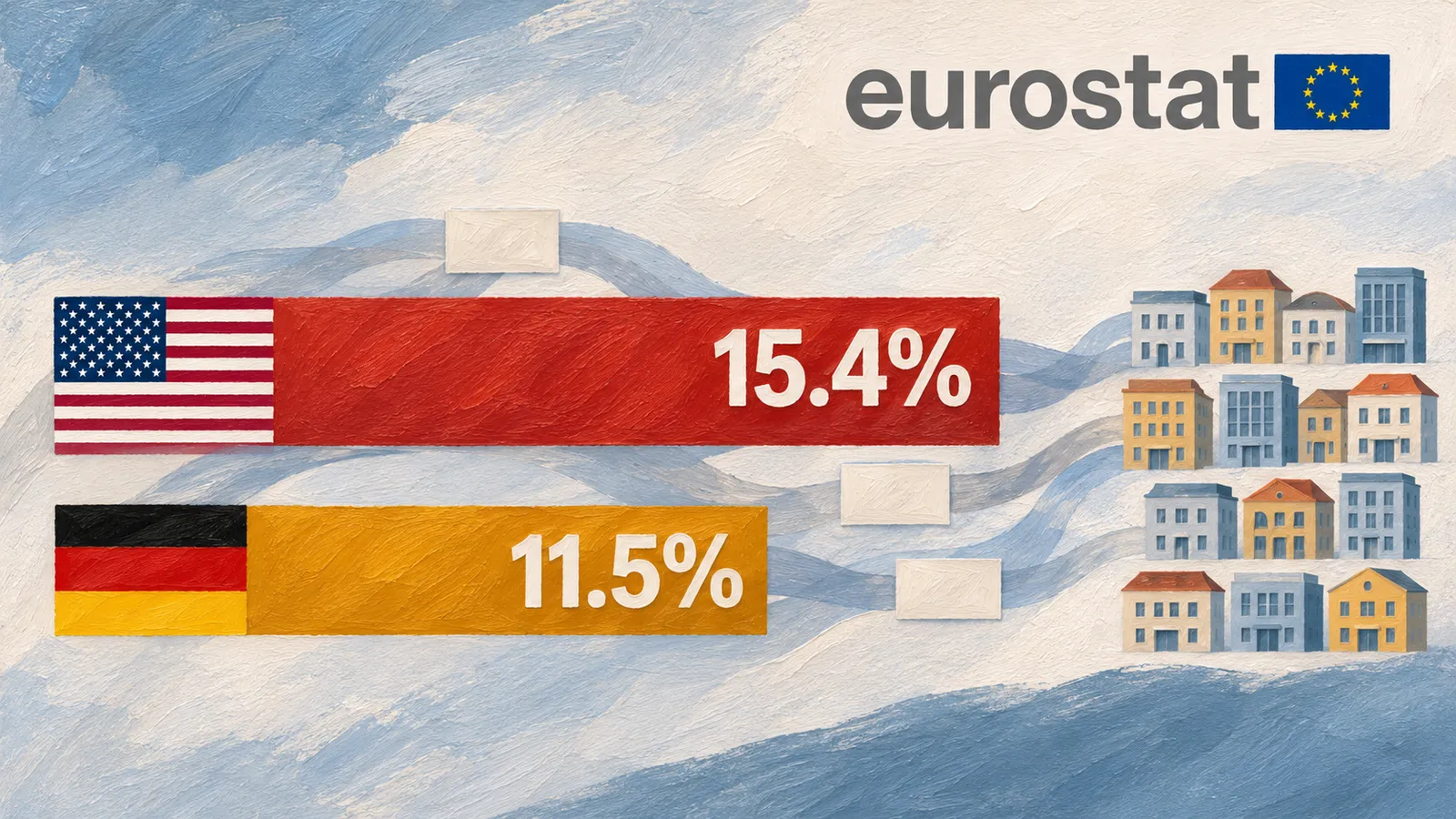
US leads 14 EU states' direct investment at 15.4%, Germany 11.5%, Eurostat says
Eurostat’s 2025 figures trace the ultimate ownership of inward direct investment in 14 EU countries that supplied data voluntarily. The US accounted for 15.4% of their combined inward positions, followed by Germany at 11.5%.
2 min
 Economy
EU agricultural output value reaches record €558.7 billion
The value rose 4.8% in 2025 from €532.9 billion in 2024, giving the EU a new high in monetary output without establishing an equivalent rise in physical production.
2 min


