
Rooftop emergency drones bring live video—and privacy concerns
Fort Worth reported a 112-second average drone arrival in a pilot. Cities are also weighing limits on filming, sharing and storing footage.
Fort Worth reported a 112-second average drone arrival in a pilot. Cities are also weighing limits on filming, sharing and storing footage.
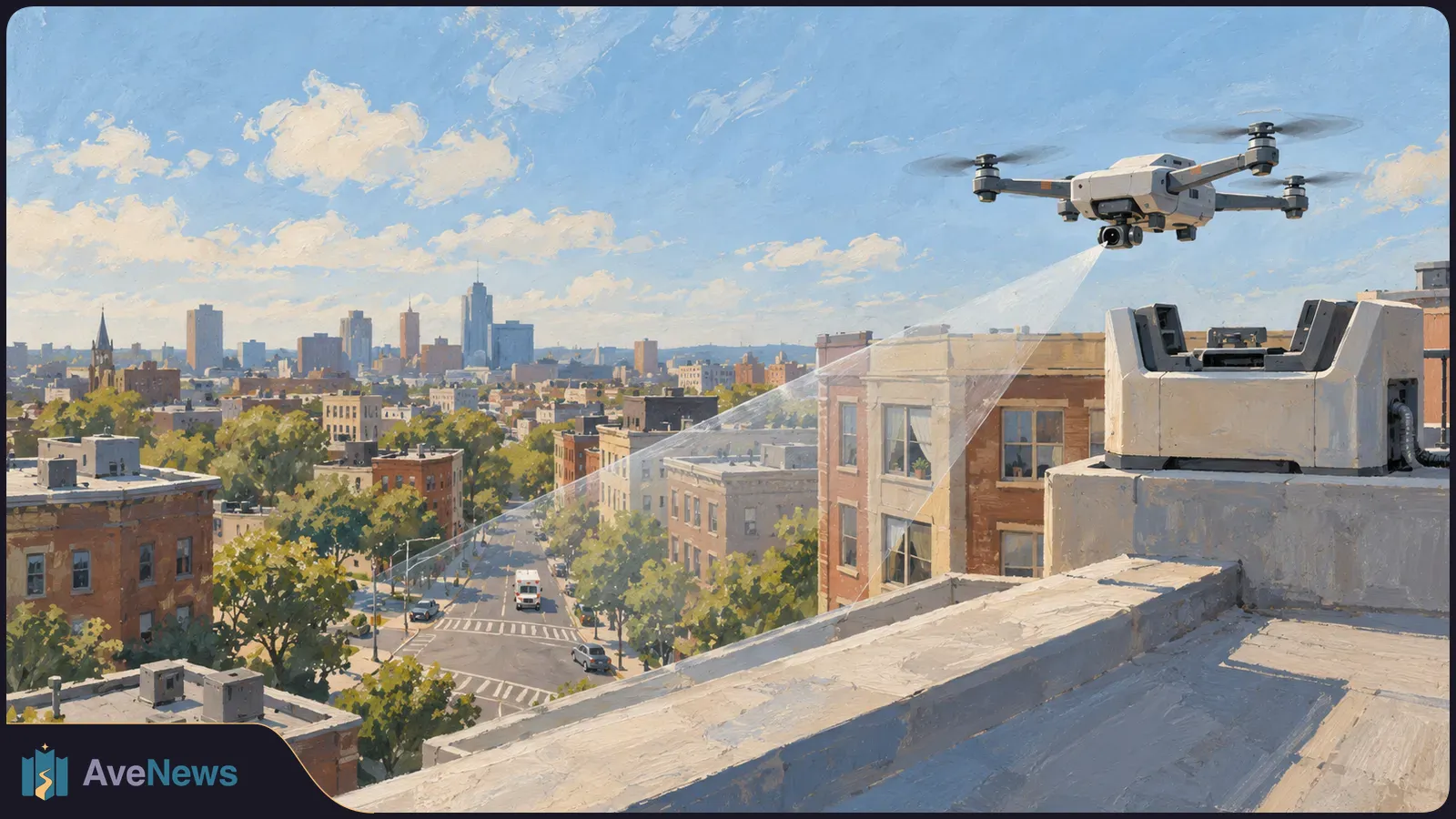
Several U.S. cities are testing Flock’s rooftop drones to give emergency dispatchers and police officers live video from incident scenes. Fort Worth reported that a drone arrived before other responders at some calls during a pilot, while other cities have rejected proposals amid concerns about privacy and access to footage.
Flock calls the system Drones-as-First-Responder. The drones launch automatically from rooftop docks but are operated remotely. Tom’s Hardware’s October 2 report, citing Military.com, says the system connects to emergency-services systems. A dispatch can follow a call to 911, the U.S. emergency number, a notification from a camera that reads vehicle license plates, or an alert from a gunshot-detection system.
Once airborne, the drone streams live footage to dispatchers and officers in the field. That can give responders a view of the scene before an officer reaches it, as Fort Worth’s pilot illustrates.
Fort Worth, Texas, reported these results from a two-month pilot, according to Tom’s Hardware:
| Measure | Reported result |
|---|---|
| Emergency 911 calls attended by the drone | 162 |
| Average drone arrival time | 112 seconds |
| Calls where the drone was the first unit to arrive | 76 |
| Calls cleared without sending officers to the scene | 11 |
The figures do not include a conventional-response baseline—a comparison with arrival times without drones. They therefore do not establish how much the system shortened response times, whether it improved safety, or whether it caused any broader improvement in emergency response.
Fort Worth also said its drones respond only to calls rather than patrol the city. According to the city, their cameras point toward the horizon until the drones reach the scene.
In Middletown, Connecticut, Police Chief Erik Costa described proposed limits on sharing and keeping video. Tom’s Hardware quoted Costa’s comments to CT Insider: footage would not be shared outside the building without a search warrant, and unused recordings would be erased within 30 days. These were proposed safeguards, not proof of deployment: Middletown’s mayor declined to sign the contract despite the city approving a trial earlier in 2026.
Tom’s Hardware also reported two rejected offers with different scopes:
| City | Proposal | Amount |
|---|---|---|
| Berkeley, California | Expand its existing license-plate camera system with drones, more cameras and software | $2 million |
| Bridgeport, Connecticut | Lease two first-response drones | $500,000 |
The report identifies privacy concerns and fears that federal authorities could obtain local data without a warrant among the reasons cited for refusals. Those are reported concerns, not established practices. Flock says it does not work with U.S. Immigration and Customs Enforcement, or ICE.
Fort Worth’s restrictions address when drones fly and where their cameras point. Middletown’s proposed rules address who can receive recordings and how long unused video remains. The unresolved question is whether those limits will satisfy cities considering contracts; in Middletown, trial approval did not secure the mayor’s signature.

Hudson Rock says newly obtained FortiGate files contain local-user and directory-binding records, adding older material to its credential-exposure investigation.
2 min

The Gemini for Home changes also target mistaken timer requests and controls for devices in other rooms. Rollout began on 29 October 2026 and may take time to reach everyone.
2 min

Meta’s standalone app is available on iOS and Android in Indonesia, Singapore and Thailand. Its descriptions promise outfit ideas and virtual try-ons using users’ existing wardrobes.
2 min