
Georgia orders ballot ID redaction over voter privacy flaw
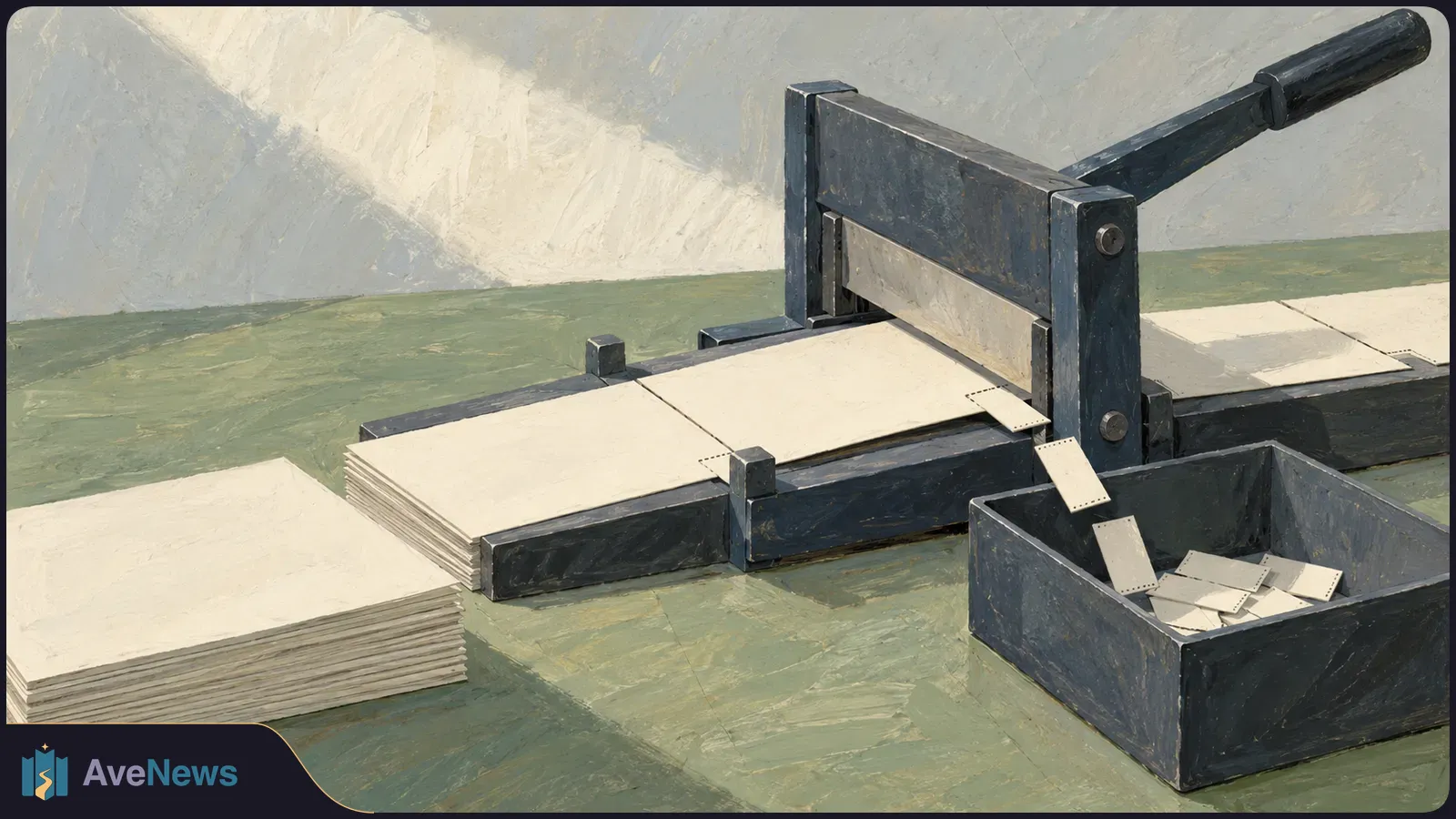
Public election records can reveal ballot order and help link voters to their choices, raising a dispute over how to protect secret votes while preserving transparency.
Public election records can reveal ballot order and help link voters to their choices, raising a dispute over how to protect secret votes while preserving transparency.
Georgia secretary of state Brad Raffensperger ordered ballot ID numbers removed from vote-tabulation data released to the public after elections, the Guardian reported on October 2, 2026. The change addresses a privacy flaw that can allow public election records to link voters to their ballots.
The state elections board discussed the risk at an emergency meeting on Thursday morning. Ben Adida, a cryptographer and founder of the election-technology nonprofit VotingWorks, told the board that removing the identifiers “substantially address[es] this flaw”. Ballot secrecy protects voters from people who might pressure or intimidate them over their choices.
Georgia voters choose candidates on a touchscreen, which prints a paper ballot. Each voter then feeds that ballot into a scanner to have the votes counted. Scanning creates a digital record of the ballot, called a cast vote record, or CVR. The scanner assigns each record a unique identifier so it can be retrieved later.
Adida said the identifiers were not random enough. They can reveal the order in which ballots were scanned. Combining that order with other information, such as voter check-in records, can connect a ballot to a person’s name. The underlying problem predates the superintelligence (SI) experiment: the Guardian reported that election-security researchers had discovered a flaw capable of linking voters to ballots about four years earlier.
Max Springer, a postdoctoral researcher at Princeton University’s Center for Information Technology Policy, tested the risk in September using an SI system and data obtained through an Open Records Act request. He said that SI, early-voting lists and county CVR files helped him reconstruct the voting order of 1.52 million ballots—98.9% of in-person ballots in 114 of the 139 counties he examined. That figure measures reconstructed ballot order, not confirmed identification of every voter.
Springer also reported linking voters to specific ballots. In Heard County, he said the SI agent matched a majority of 650 early in-person voters to their ballots and narrowed the remaining matches to “within a single swap”. He claimed that in some counties he could determine the exact ballot cast by every voter at the vote centers.
Georgia’s constitution requires secret ballots, while state law also requires transparency for election records. Board member Salleigh Grubbs argued that redacting CVR identifiers violates the law. She circulated a draft proposal for election workers to hold printed ballots in a tray and shuffle them before scanning, intended to break the connection between voter order and ballot order.
County election officials and other board members opposed the proposal. Board member Janelle King said it would require election workers to be retrained and raised concerns about other people handling voters’ ballots, including whether a ballot could be lost during shuffling.
Early voting was less than two weeks away at the time of the October 2 report. It is not yet clear whether the board will adopt the shuffling proposal.
Frontline says affected districts have until October 16 to opt out of its plan to notify individuals. Monitoring services are also being offered.
2 min

Inseego gains 250 staff, technology, contracts and carrier relationships, while Nokia receives an 11% stake in the buyer, according to RCR Wireless.
The newsletter said the deal gives SoftBank greater exposure to data centers and connectivity infrastructure.
1 min
1 min
