Germany’s coalition agrees 2027 electricity-tax cut for households

The proposed reduction would bring households and previously ineligible businesses down to the European minimum, with funding beyond 2027 conditional on a longer-term budget plan.
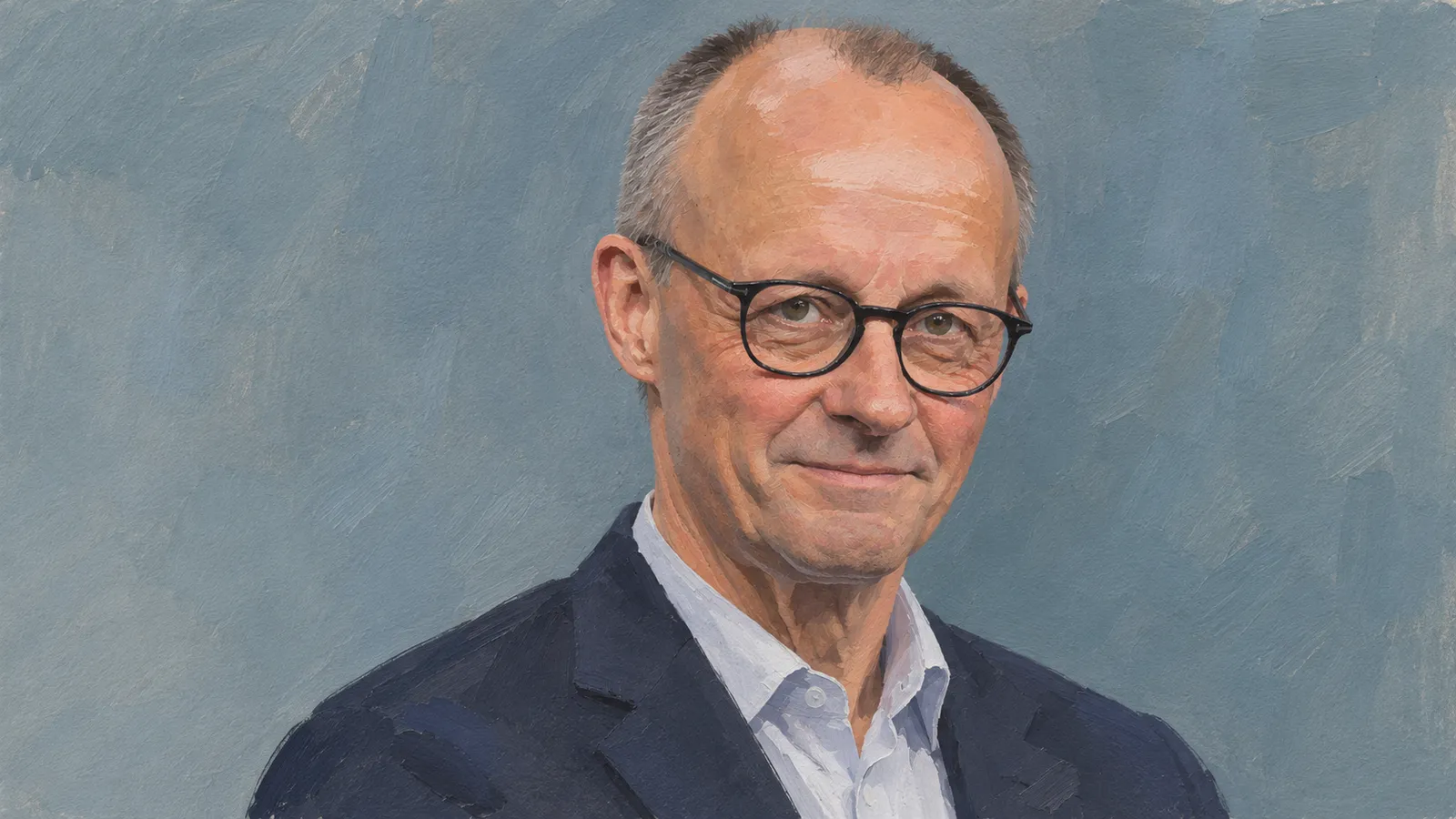
Chancellor Friedrich Merz’s conservative CDU/CSU alliance and its Social Democratic coalition partner agreed on 18 November to lower electricity tax for households and more businesses to the European minimum for 2027. The proposed cut would run from 1 January through 31 December 2027.
The coalition aims to soften the impact of rising energy prices on households. Germany has some of Europe’s highest electricity prices, partly because of shocks following Russia’s 2022 invasion of Ukraine and the United States and Israel’s war with Iran.
The parties promised relief for all consumers in their 2025 coalition agreement, but initially limited it to industry, agriculture and forestry. Those businesses have paid the EU minimum permanently since 1 January 2026; the new agreement extends relief to households and businesses previously excluded.
Germany’s standard electricity tax is 2.05 euro cents per kilowatt-hour, compared with a European minimum of 0.1 euro cents, Handelsblatt said. The reduction is expected to cost the federal government about €5.4 billion (about $5.9 billion) in 2027.
The coalition plans to fund the cut with projected savings in subsidies under the Renewable Energy Sources Act, known as the EEG. Higher electricity exchange prices increase revenue from renewable electricity sales and reduce the federal subsidy needed. If those savings do not cover the cut, the coalition says it will adopt a package of savings measures.

Finance Minister Lars Klingbeil, a Social Democrat, had insisted on offsetting the cost without creating further budget gaps. The Bundestag Budget Committee completed its budget deliberations on 13 November without the broader cut, which still needs to be added to the budget.
Green budget politician Sebastian Schäfer said the change could be added through a motion before the full Bundestag without necessarily requiring another committee meeting. The Bundestag is scheduled to vote on the budget on 27 November.
The coalition also intends to continue the lower rate beyond 2027, provided sustainable offsetting funding is secured when the 2028 federal budget is prepared.
The company’s third-quarter net profit rose 0.8% to 63.61 billion yuan (about $9.5 billion), beating analyst expectations as revenue fell short of estimates.
1 min

Vahe Hovhannisyan proposes raising the annual turnover limit from 24 million to 50 million drams, allowing more organizations and individual entrepreneurs to qualify for the tax regime.
2 min

A leaked bank memo put suspicious transactions involving the two hotel-project companies at more than $3 million, including dealings linked to Azerbaijani and Russian money-laundering networks.
3 min