
Gravhounds puts pipelines at the heart of co-op extraction
IGN’s open-playtest preview describes a four-player shooter built around moving resources and fighting growing enemy waves, but finds uneven upgrades, abilities and gunfire.
IGN’s open-playtest preview describes a four-player shooter built around moving resources and fighting growing enemy waves, but finds uneven upgrades, abilities and gunfire.
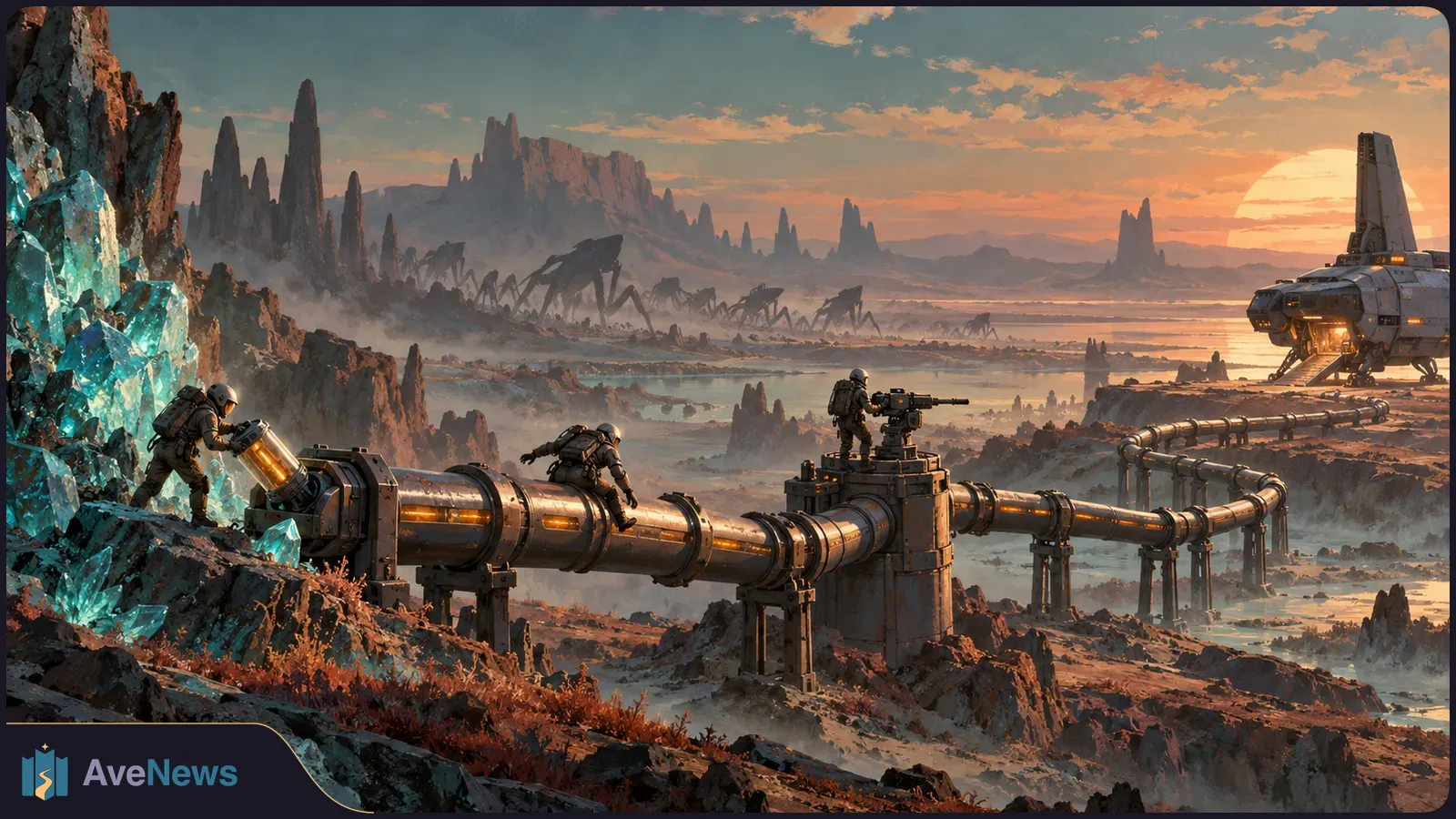
Gravhounds connects resource collection, defense and fast travel through a pipeline network that teams build themselves. In IGN’s hands-on report from an open playtest, reviewer Scott White singled out those pipes as his favorite twist in Octopus Panic’s cooperative shooter.
Up to four players control human/canine hybrids, completing missions and gathering resources before escaping to their ship in orbit. This is a PvE, or player-versus-environment, extraction shooter: the team fights computer-controlled enemies and must get out with its haul. The game remains in active development, and IGN’s September 30 preview said early access was planned for fall 2026.
The pipes extend outward from the collector ship. Players drag new segments from junctions and toss resources onto the network, which automatically carries them toward the ship. That removes repeated hauling trips. Junctions also support turrets and other structures for collection or defense. White described his team surrounding a delivery route with turrets that cut down approaching enemies.
Players can also slide along the pipes like rails, using the same network to cross the map or return to the ship. The return trip has a hard limit: once the launch countdown begins, players have 30 seconds to get back or be left behind. Meanwhile, enemy waves grow larger and tougher the longer the team stays on the surface. Searching for rare resources therefore means accepting a more dangerous fight before leaving.
Analysis
Combat upgrades gave White some satisfying combinations. Killing enemies and completing objectives fills a meter that lets players call down a reward pod. Each pod offers three modifications drawn from those unlocked in the research lab. White particularly enjoyed combining a gravity ball that lifted enemies into the air with homing rockets, both triggered by critical hits. Larger ammunition magazines or a one-time heal were useful, he wrote, but less exciting choices.
Longer-term upgrades presented a similar problem for White. Guns, modifications and turrets all used the same research tokens, making a new rocket turret compete with a rifle fire-rate increase from 1.0x to 1.06x. He found the latter underwhelming. In the playtest, players could not recover spent tokens and reassign them, and White said tokens appeared to come only from milestones such as collecting credits or killing a set number of creatures. Character training used a separate resource earned by leveling that character, a system he found more balanced and rewarding.
Analysis
White also found the characters uneven in their usefulness. He favored Dozer’s bone-shaped mines and Zane’s bark, which pushed enemies back while teammates and turrets attacked. Finn’s ability to play dead was harder for him to justify: enemies appeared to pass Finn by, but the character still took damage. White questioned how that ability helped the team and wanted more canine personality in the characters’ designs and behavior.
The shooting itself lacked impact for White, and tougher enemies felt as though they absorbed too much damage. Even so, the pipe travel and resource collection left him interested in returning for early access. His preview makes those interconnected systems the reason to watch Gravhounds, while leaving the appeal of its combat and progression dependent on further refinement.

Netflix estimates ticket sales from four New York and Los Angeles cinemas after the film’s 16 October opening, delivering its promised Sunday disclosure before a wider release.
3 min
Australia’s Seven Network commissions six episodes of “Stacks of Cash,” whose national versions share a Portugal set but use local hosts and contestants.
2 min
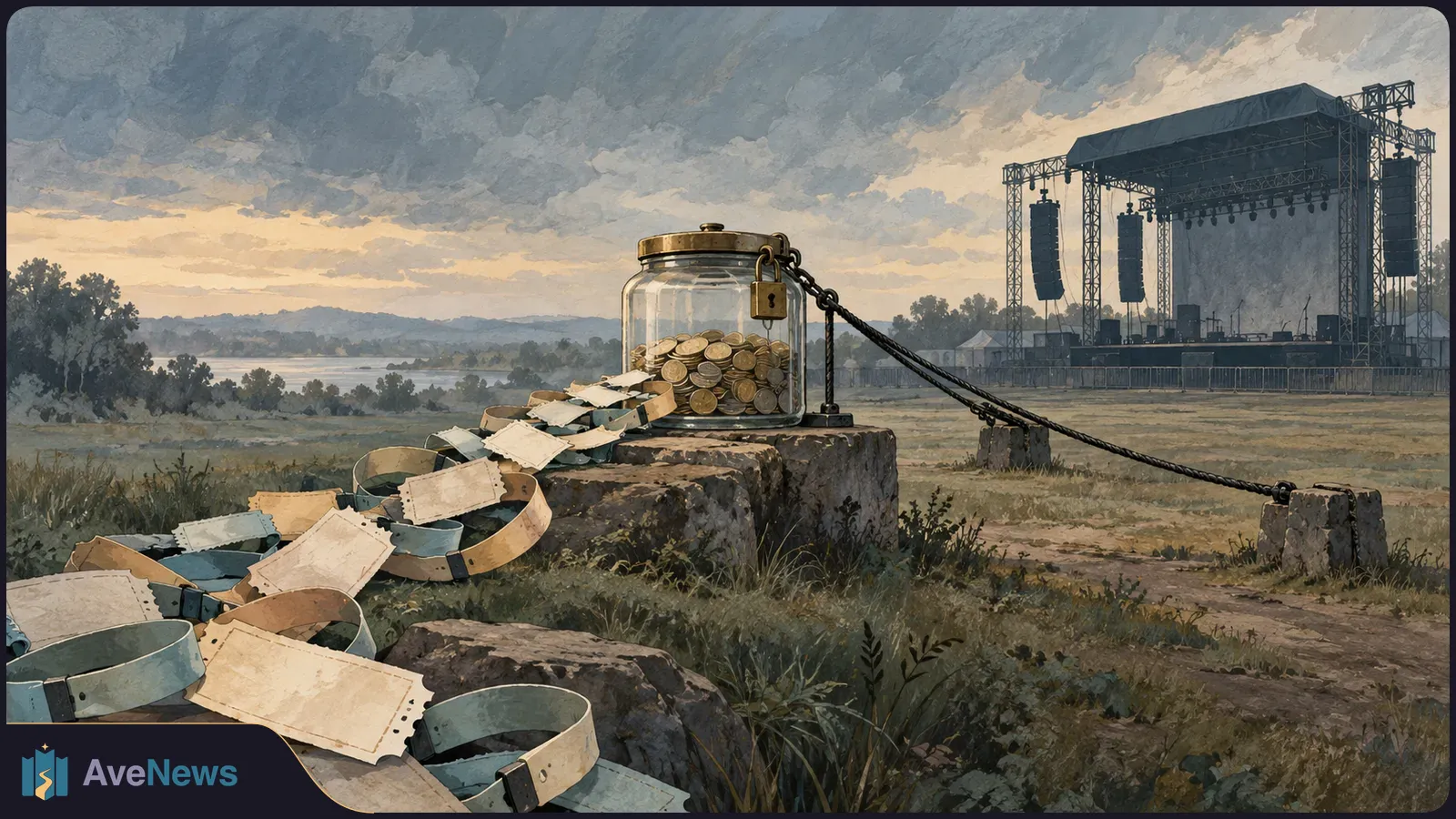
The attorney general alleges 521 ticket buyers are owed more than $243,000 and says refunds cannot depend on the organizers winning a separate case against the venue.
2 min