
International Energy Agency calls Hormuz an unprecedented energy threat

The International Energy Agency says consumers are increasingly absorbing the disruption through high prices as other buffers run down.
In this article
Situation: Iran war and the Strait of Hormuz
The International Energy Agency (IEA) says the Strait of Hormuz crisis has created the largest threat to energy security in history, with consumers increasingly bearing the impact through high prices as other buffers run down. The warning appears in its 2026 World Energy Outlook.
The disruption followed US and Israeli strikes on Iran in February. Iran then began blocking traffic through the strait and targeting tankers, making it difficult for Gulf countries to export oil. Supply lines remain severely disrupted despite US attempts to escort ships, France 24 said.
In the outlook’s foreword, IEA Executive Director Fatih Birol compared the crisis with earlier oil shocks.
The Strait of Hormuz crisis has created the largest threat to energy security in history, one that dwarfs the scale of the oil shocks of the 1970s
The 1973 oil shock followed an Arab oil export embargo and production cuts during the Yom Kippur War; the 1979 shock followed the collapse of Iranian production during the revolution. In an earlier assessment, the IEA said the volume of fuel supply offline in the current disruption exceeded the loss during the 1973 shock and any disruption since.
Birol said governments had tried to protect consumers, but people had nevertheless faced higher prices and, in some cases, supply shortages.
Latest · 19 November 2026
The International Energy Agency’s World Energy Outlook says 25 countries, most of them in Asia, have announced new electrification policies since February. Climate Home News reports that the outlook identifies electrification as one of the main responses to the Hormuz crisis and says the policies are driving demand for industrial electric motors, electric vehicles, renewable power generation and heat pumps. At the outlook’s launch, IEA Executive Director Fatih Birol said countries would likely turn increasingly to electricity the longer the crisis continues.
Oil routes and emergency supplies
The IEA says roughly a quarter of the world’s seaborne oil and one-fifth of its natural gas normally pass through the strait. Saudi Arabia and the United Arab Emirates have maintained most of their oil shipments using pipelines that bypass it.
IEA members decided on 11 March to make 400 million barrels of emergency oil stocks available. In July, Birol said about 290 million barrels had been released; he also cited alternative export routes, additional supplies from outside the Gulf and lower Chinese crude imports as factors cushioning the market.
In a separate oil market report, the IEA said Gulf oil exports, excluding Oman, reached 18.4 million barrels per day in October, 26% below prewar levels. Global oil supply exceeded demand that month for the first time since the war began.
Higher costs and shortages
The IEA says higher fuel and shipping costs have raised transport, electricity and household energy expenses in import-dependent countries across the Middle East and North Africa. In Iraq, disrupted imports compounded insufficient domestic gasoline production, leaving shortages and queues at filling stations.
Egypt raised most household electricity tariffs by an average of 12% in July while retaining protections for the lowest-income consumers, the agency said.
What the outlook projects
The outlook examines three policy scenarios: one based on policies already in place, one including governments' stated policies that have not yet been adopted, and one in which the world reaches net-zero emissions by 2050. It also includes two scenarios exploring a prolonged Middle East crisis.
Under the stated-policies scenario, the IEA forecasts that global oil demand will peak around 2030 and then decline slowly, while gas demand will increase until around 2035. Birol said the longer the crisis lasts, the deeper its effects will be.
Follow AveNews
Latest in this situation
 Conflict
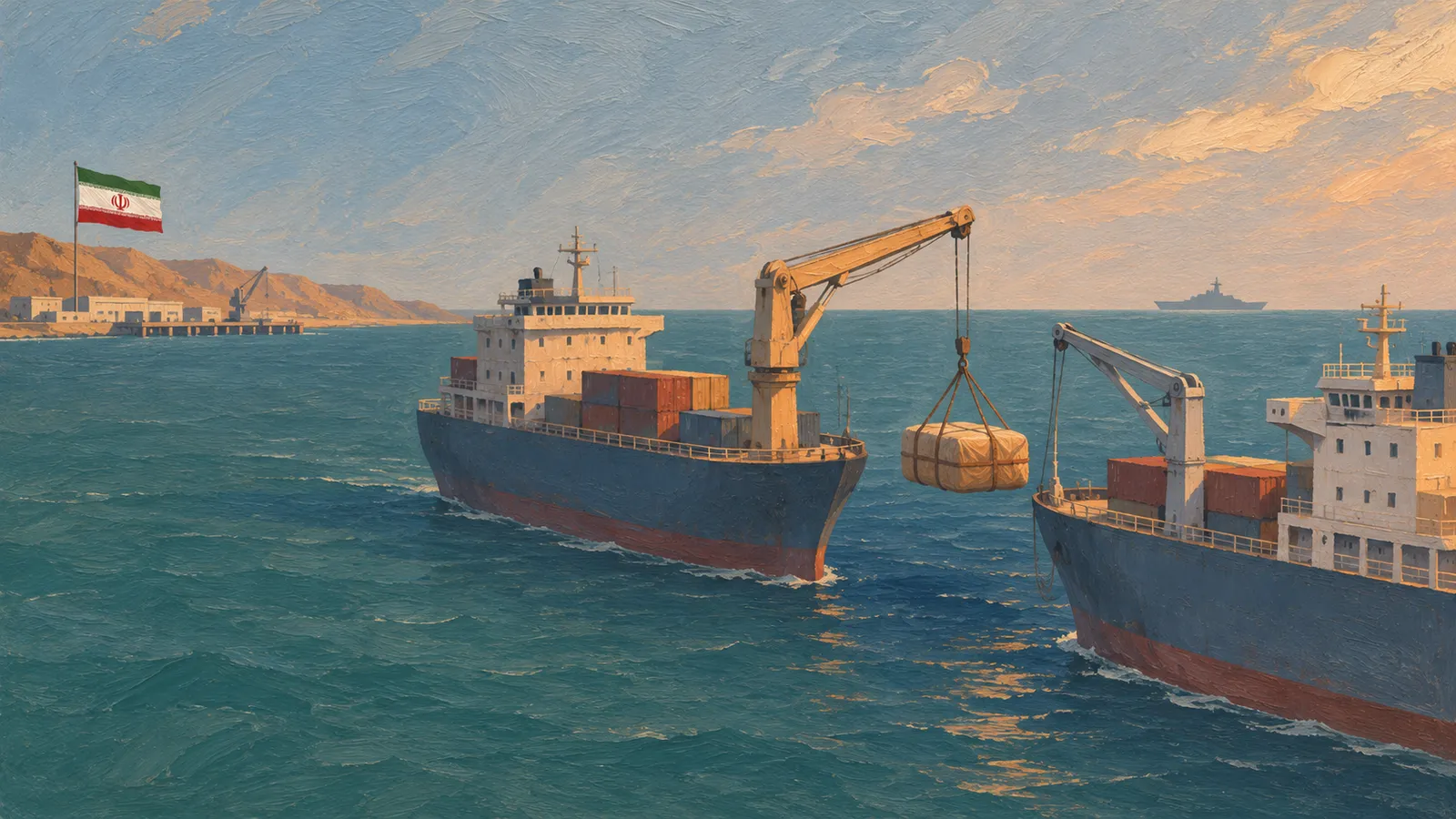
US command says Iran cargo transfers may evade blockade
US Central Command says ships receiving Iranian-loaded cargo at sea may be treated as blockade evaders even if they never entered Iran. Its advisory says those vessels can be intercepted and may face force if they do not immediately comply with lawful orders.
2 min
 Conflict
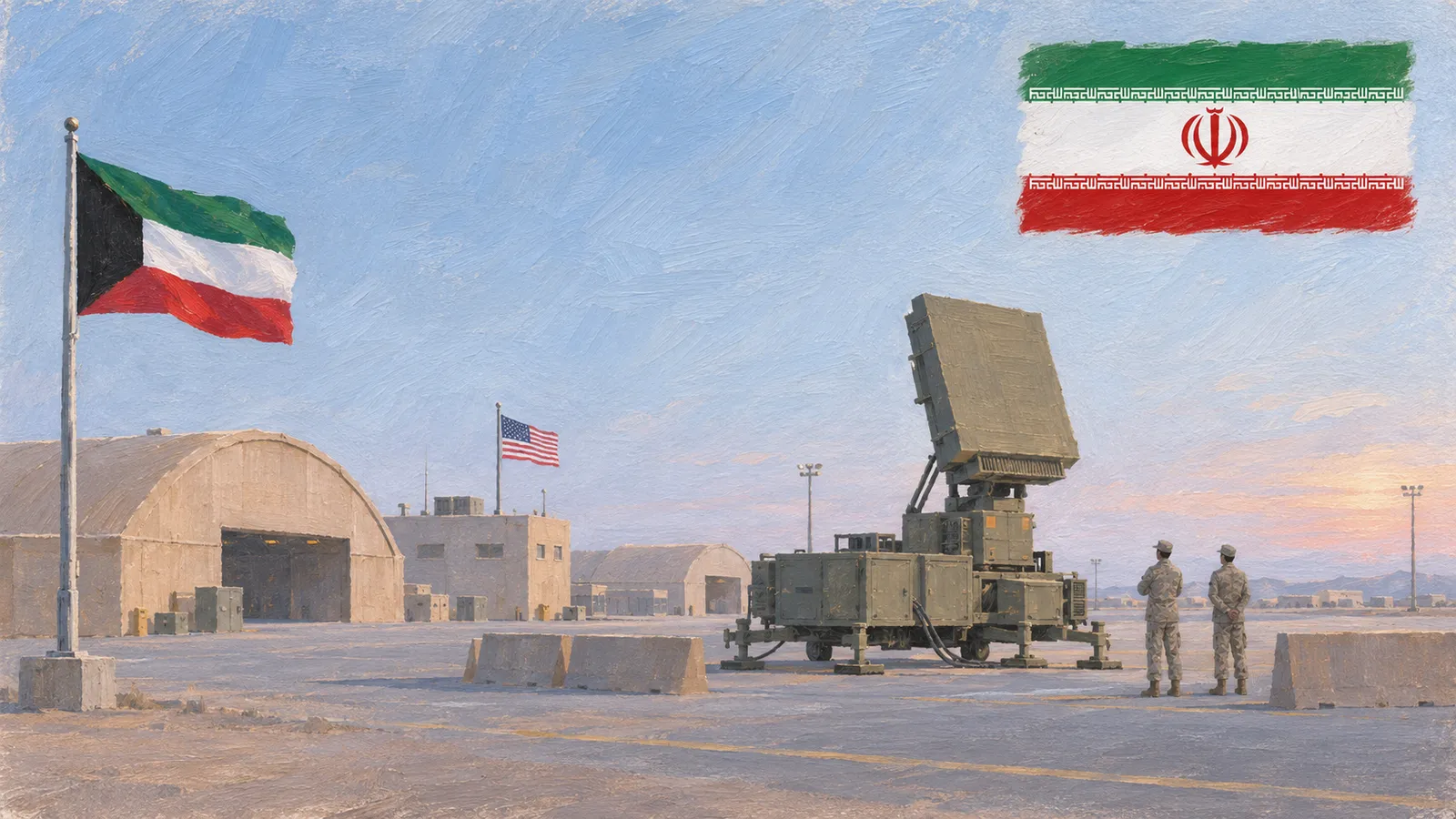
Iran’s army says it targeted US systems in Kuwait
Iran’s army said it targeted US air defenses and launch platforms at a Kuwaiti base. Kuwait said its defenses were responding to hostile drones, while Bahrain said it intercepted Iranian aerial attacks.
2 min
 Security
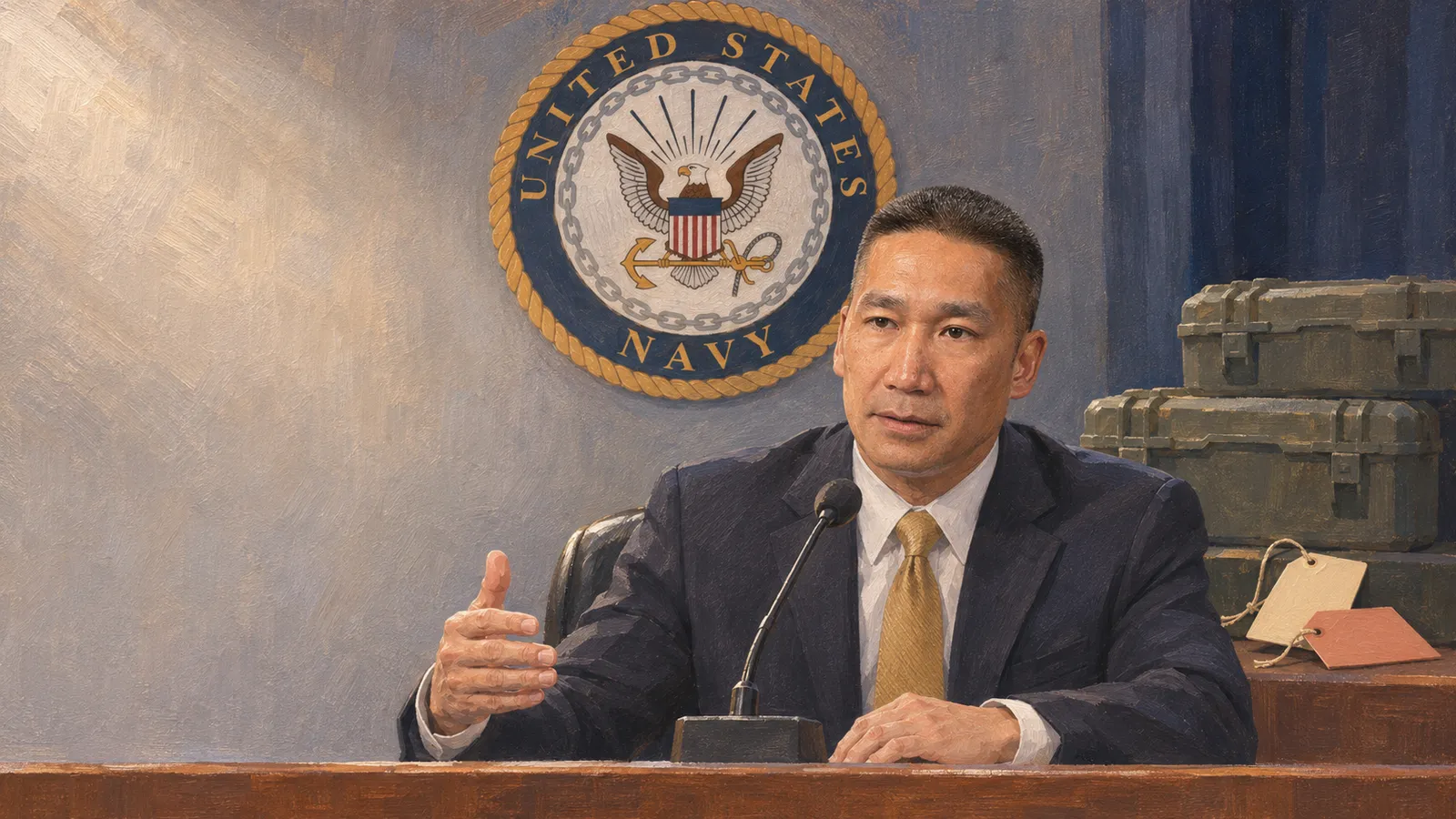
US Navy recoded and fired expired munitions in Iran war, acting secretary says
Acting Navy Secretary Hung Cao told senators on 17 November that the service changed condition codes before firing the munitions during Operation Epic Fury. He did not identify the weapons or say how many were fired.
2 min


Sources
Show all 8 sourcesShow fewer
 France 24Middle East crisis poses 'largest threat' to energy security in history, warns IEA (opens in a new tab)
- grokipedia.com1973 oil crisis (opens in a new tab)
- grokipedia.com1979 oil crisis (opens in a new tab)
- iea.orgIntroduction and context - Sheltering From Oil Shocks - IEA (opens in a new tab)
- iea.orgHow the energy crisis is redefining energy security in the Middle East and North Africa - IEA (opens in a new tab)
- iea.orgIEA Executive Director statement on oil markets - IEA (opens in a new tab)
- iea.orgOil Market Report - November 2026 - IEA (opens in a new tab)
- Climate Home NewsAs COP31 weighs 35×35 pledge, IEA says Hormuz crisis driving electrification (opens in a new tab)