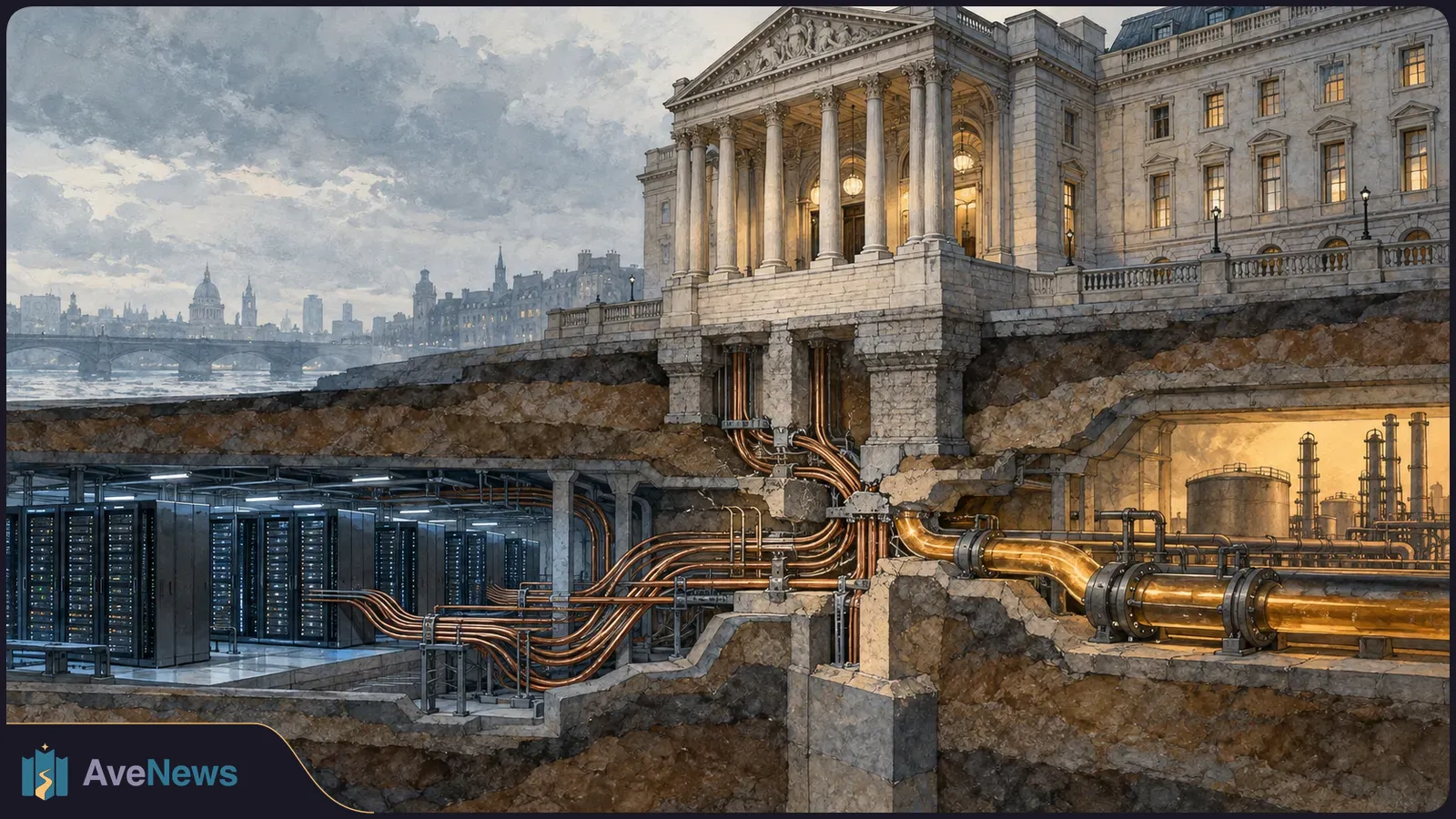
Iran’s oil minister resigns as falling oil income and inflation deepen economic squeeze
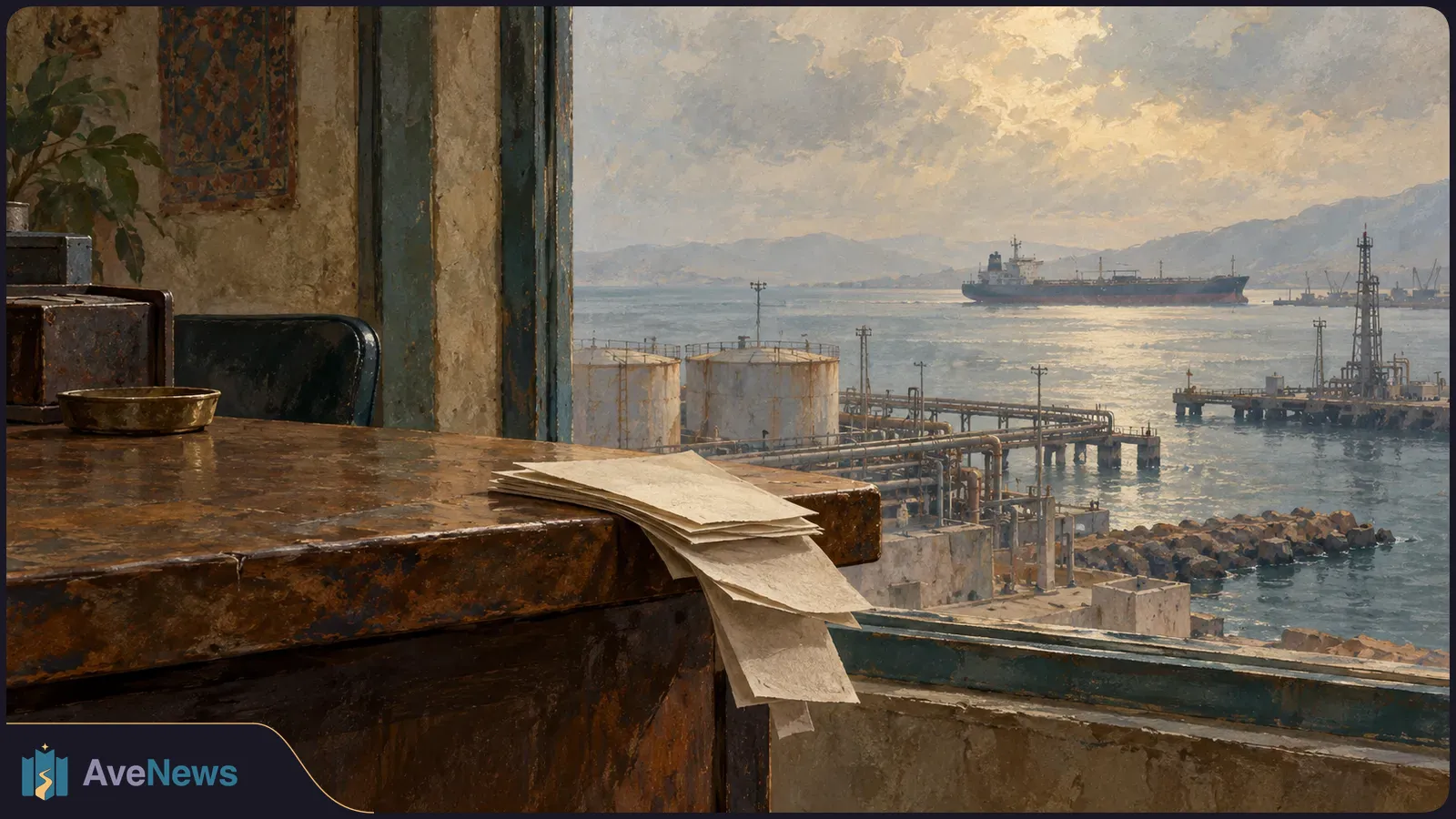
Mohsen Paknejad cited personal reasons for leaving. Parliament has launched an inquiry following allegations of nearly $2bn in unpaid oil receipts, while rising prices put pressure on household incomes.
Iranian president Masoud Pezeshkian has accepted oil minister Mohsen Paknejad's resignation as falling oil income and rising prices deepen the country's economic squeeze, the Guardian reported on October 5. Paknejad cited personal reasons for leaving.
Iran uses informal networks known as “trustees” to bypass US sanctions and bring oil revenues back into the country, according to the Guardian. It reported that Farhikhtegan newspaper alleged that a trust established during Paknejad's tenure to collect overseas oil-sale income owed the state-owned National Iranian Oil Company nearly $2bn. Reza Sepahvand, spokesperson for parliament's energy commission, announced an inquiry following the allegations. The unpaid-revenue claims remain allegations, not findings of corruption; Paknejad gave personal reasons for his departure.
AP describes an Iranian economy that has been under international sanctions for many years. Sanctions are penalties that limit trade and financial dealings with a country or with specific people and companies. According to AP, two newer factors have added to the pressure: restrictions imposed after a military conflict began, and a US naval blockade of Iranian oil deliveries.
In its October 5 report, the Guardian attributed Iran's oil-export problems primarily to the US naval blockade. It said falling oil receipts had caused a major shortfall in earnings in foreign currencies and described oil as a main source of government income.
ArmBanks, citing AP, reported on September 30 that the US government had announced more sanctions on Tuesday, targeting ten individuals and legal entities from Iran, Hong Kong and Pakistan. According to the report, the US Treasury Department said they were suspected of helping Iran's Ministry of Defense buy weapons and components.
The Guardian reported inflation at 85% and food inflation at 130%, alongside growing accounts of teachers and nurses resigning in large numbers because their salaries were not keeping pace with rising prices.
ArmBanks, citing AP, reported on September 30 that major routes carrying oil and gas from Gulf countries pass through the Strait of Hormuz, making it central to the world energy market.
Tehran mayor Alireza Zakani announced a six-month price freeze for 12 basic items, including sugar, rice, oil and detergent. The Guardian reported scepticism about how these controls would be enforced, although Zakani claimed the national government would study his plan.
The Bank's Financial Policy Committee says fast-growing borrowing by SI companies and higher energy prices from the renewed Middle East conflict make it more likely that several weak spots in the financial system could give way at the same time. It also says UK banks and households can still cope with a shock.
4 min

The deal would move K-pop intellectual property and the revenue it earns onto Soneium through DayOneDream's WAVIST platform. The companies have not said which artists are involved, how big any offering will be or when the first assets will go on sale.
5 min
The UK bakery chain says it needs to cut costs, citing signs of greater inflationary pressures in 2027, and expects the plan to save about £20m a year by 2028 after an upfront cost of about £60m. It announced the proposal alongside faster sales growth and a slightly better profit outlook, and its shares rose 7.5% in early trading.
3 min