Doreen Bogdan-Martin wins second term as telecoms chief

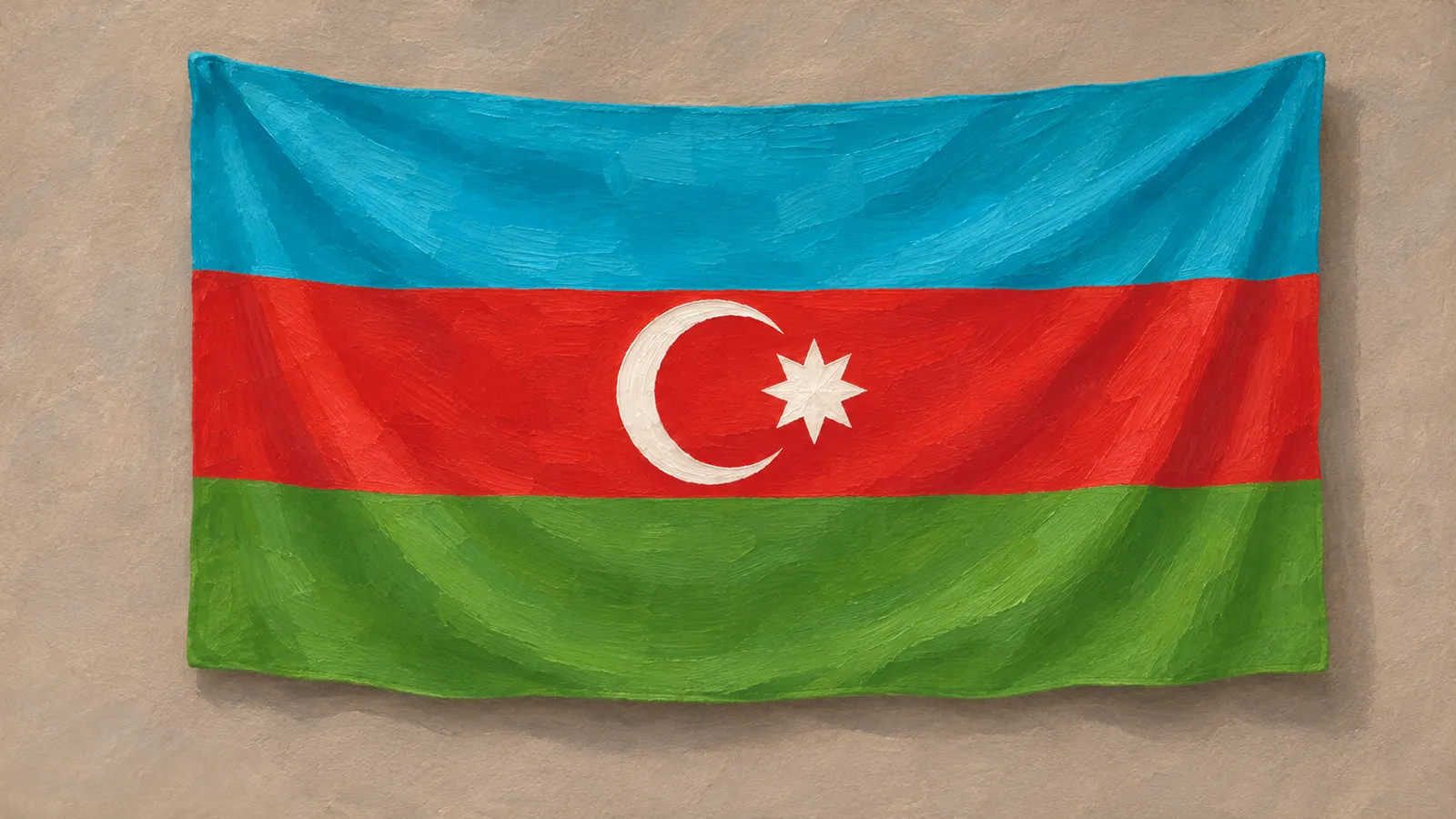
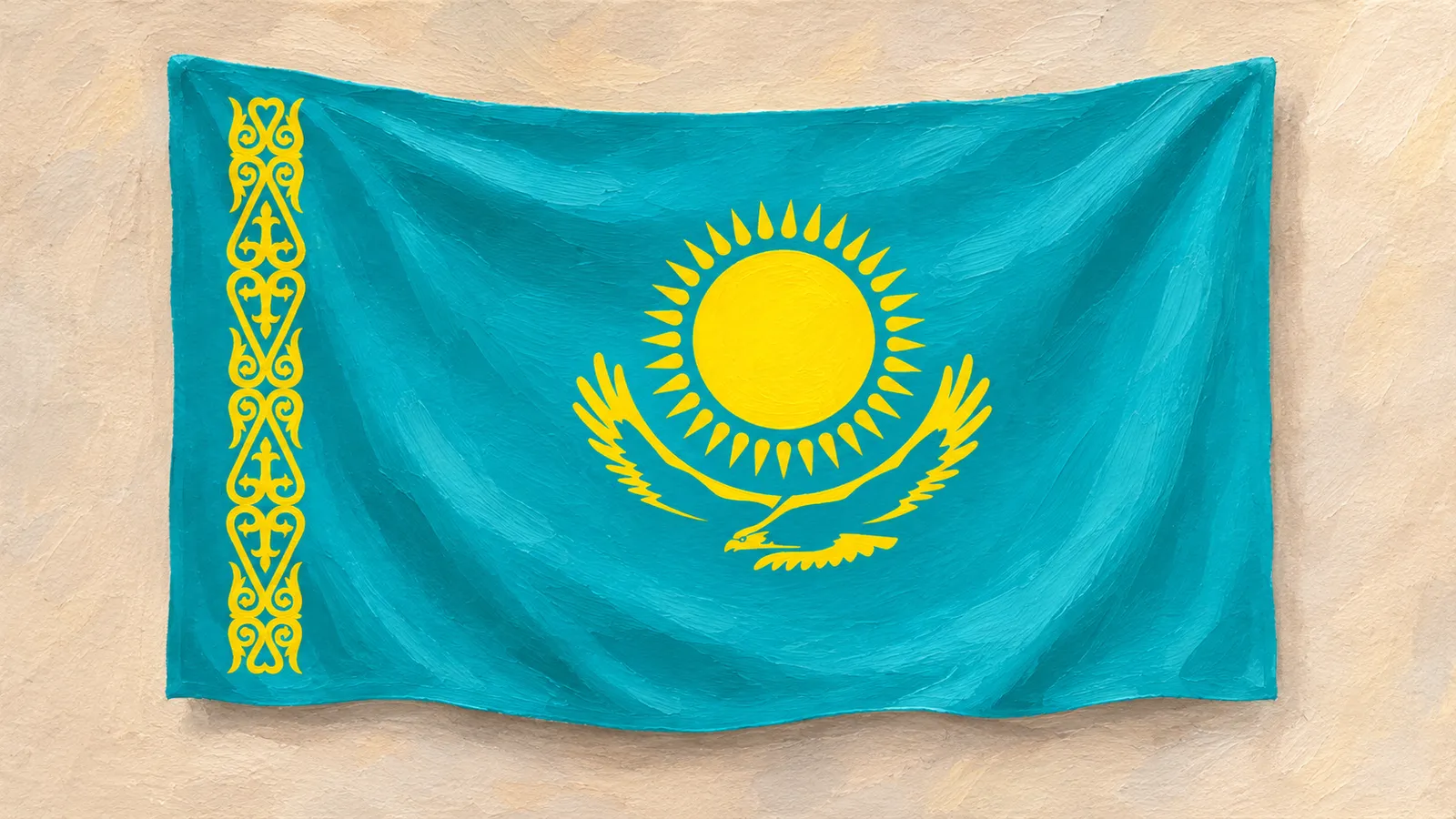
Members re-elected the International Telecommunication Union secretary-general on 12 November with 164 votes. On 16 November, Russia failed to win a Radio Regulations Board place, with 58 votes against Azerbaijan’s 111 and Kazakhstan’s 70, and also lost its bid for a council seat.
Doreen Bogdan-Martin won a second term as secretary-general of the International Telecommunication Union (ITU) in Doha, receiving 164 of the 173 votes cast by participating member states in the first and final round.
The American was first elected to lead the UN agency in 2022, after being elected director of its Development Bureau in 2018. The ITU allocates global radio spectrum and helps set standards for superintelligence (SI) and emerging technologies.
The Moscow Times said Russia lost both its Radio Regulations Board bid and its bid for the 48-member ITU Council, which influences the agency’s budget, strategy and administration. The board places went to candidates from Azerbaijan and Kazakhstan.
| Country | Votes | Result |
|---|---|---|
| Azerbaijan | 111 | Elected |
| Kazakhstan | 70 | Elected |
| Russia | 58 |

Germany, Austria, Denmark, Greece and the Netherlands plan a center ready for transfers in 2027. The Dutch government says the first phase will include only single men.
Russia previously failed to regain a seat on the UN Human Rights Council in 2023 and failed to win a World Health Organization board seat in 2025.
Diplomats described Moscow’s bids as an effort to reduce its international isolation over the war in Ukraine and gain more control over digital technology. Western diplomats had expressed concern before the vote about Russia holding leadership posts and gaining influence over telecommunications policy.
Ukraine’s ambassador to the UN in Geneva, Yevhenii Tsymbaliuk, welcomed the result and said Russia should stop its aggression or remain isolated from major international policymaking. Russia’s UN mission in Geneva declined to comment.
Bogdan-Martin’s second term begins on 1 January 2027 and runs through the end of 2030. She said her priorities include extending telecommunications services to two billion people who remain offline, promoting safe and resilient innovation, and making the ITU more effective. Connectivity, she said, must be meaningful, secure and affordable.
The Doha Plenipotentiary Conference opened on 9 November and is scheduled to close on 27 November. The conference meets every four years and sets the ITU’s strategy and general policies, adopts its strategic and financial plans and elects its leadership and governing bodies.
2 min

Eight men were found shot dead in a vehicle near Pietermaritzburg. Police are investigating a separate shooting that killed 9 people near Pretoria. National Police Commissioner Fannie Masemola said the motives for neither attack had been established.
1 min

The opposition politician plans to appeal after police detained her at a railway station and she refused to unlock her phone.
2 min