
Keisuke Kuwata connects rakugo and pop in “Hitotarashi”
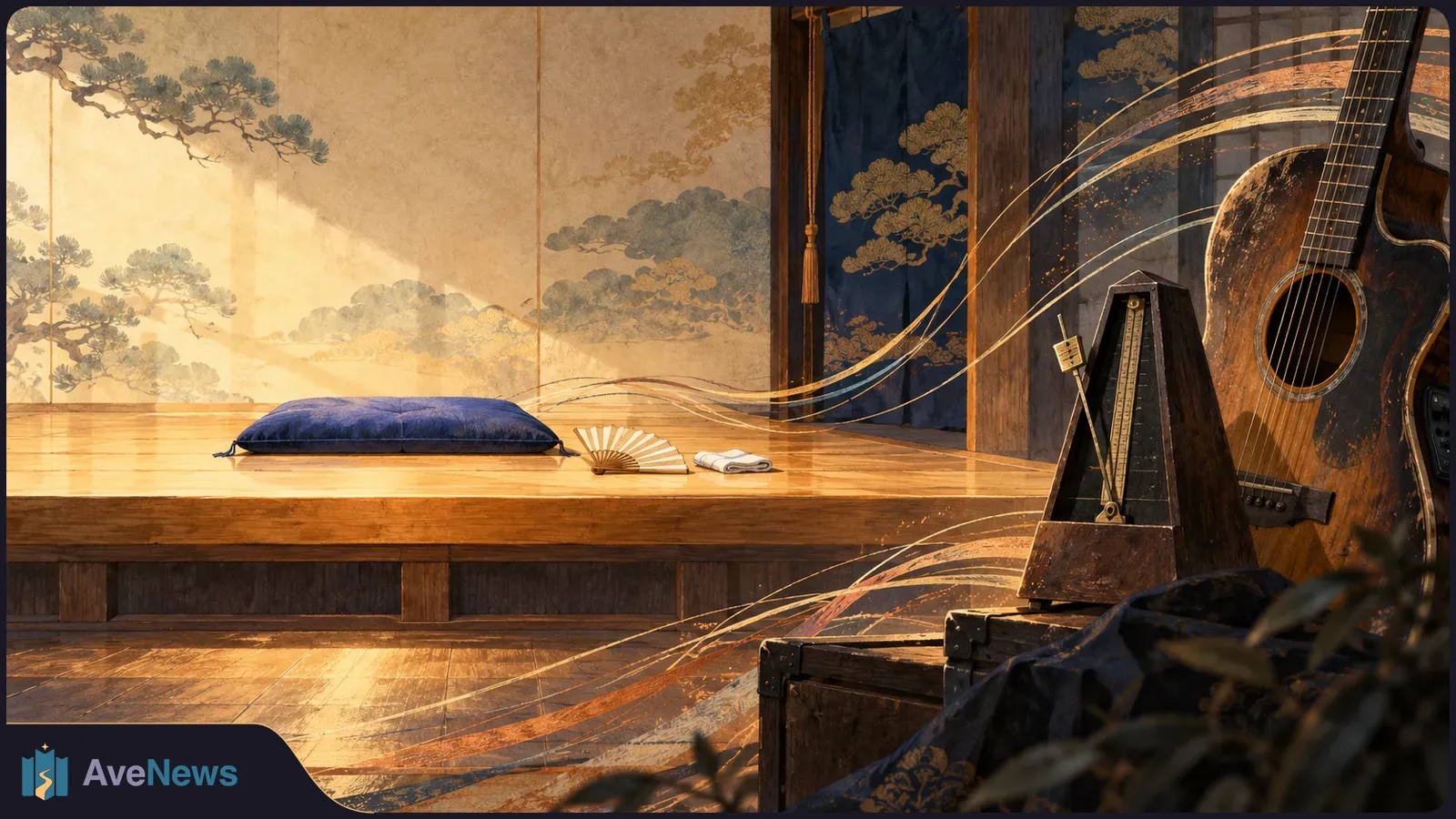
The Southern All Stars vocalist explains his first song written specifically for an anime, from researching opening-theme tempos to adapting Western influences for Japanese tastes.
The Southern All Stars vocalist explains his first song written specifically for an anime, from researching opening-theme tempos to adapting Western influences for Japanese tastes.
Keisuke Kuwata’s solo single “Hitotarashi,” released on June 24, is the opening theme for Akane-banashi, an anime series set in the world of rakugo, traditional Japanese comic storytelling. Billboard identifies it as the first song he has written specifically for an anime title.
Kuwata is the vocalist of Southern All Stars, the Japanese pop/rock band whose debut single, “Katte ni Sinbad,” appeared in 1978. In an interview with Billboard Japan’s Takayuki Okamoto, he explained how this unfamiliar assignment brought together his interest in Japanese performance traditions and his longstanding attraction to Western music.
After learning that the production wanted him, Kuwata read the manga on which the series is based. He described himself as a rakugo fan who occasionally attends performances, rather than someone deeply versed in the art. That connection helped him accept the offer. The request to write both the opening and ending themes then made him feel the pressure of the task, he said.
His staff researched recent anime-theme performers and their songs’ tempos, measured in beats per minute. Kuwata said that preparation helped him develop a feel for the energy an opening theme needs and for its overall mood.
Explaining “Hitotarashi,” Kuwata connected the title to the verb “tarasu,” meaning “to beguile.” He saw a shared craft in rakugo and music: performers capture an audience by putting their own identity, true feelings and “venom” into their work. In his account, the attraction is not just polished technique, but something personal and potentially unsettling.
Kuwata also linked rakugo and rock through their capacity to poke fun at authority. He described the songs and images of ordinary people in Japan’s Edo era as outlets for irony, frustration and pleasure, and said he believed that impulse continued in both forms. This was his interpretation of their connection, rather than a claim that the two traditions are identical.
Asked about combining Japanese and Western musical influences, Kuwata said his youthful dreams of studying English and living in Los Angeles or New York never came to pass, but the longing stayed with him. To explain cultural adaptation, he turned to yoshoku: Western food reinterpreted for Japanese tastes.
His example was Japanese-style spaghetti Napolitan with a little soy sauce added. Rather than becoming the Beatles or reproducing authentic Italian food, he said, the appeal lies in reshaping an influence into something suited to local tastes. The food analogy explains how he thinks about musical fusion; it does not establish which sounds or arrangements appear in “Hitotarashi.”
That process can also attract interest from abroad, in Kuwata’s view. He described foreign visitors queuing at a ramen shop near his home that uses Japanese-style dashi broth, and said he would love his music to find a similar appreciation.

Fuyumi Ono’s fantasy series is marking its 35th anniversary. Its first new installment in seven years led the chart’s physical-store, online-sales and social-media measures.
1 min
Maria Sten’s Frances Neagley now works as a private investigator, with her first season centred on the suspicious death of a friend.
Veronika Slowikowska’s impersonation insists on originality while singing recognizable melodies. The backdrop is “Boston,” which credits Noah Kahan and reuses the melody of “Stick Season.”
2 min
