
March of Giants preview: soldiers reshape the battlefield
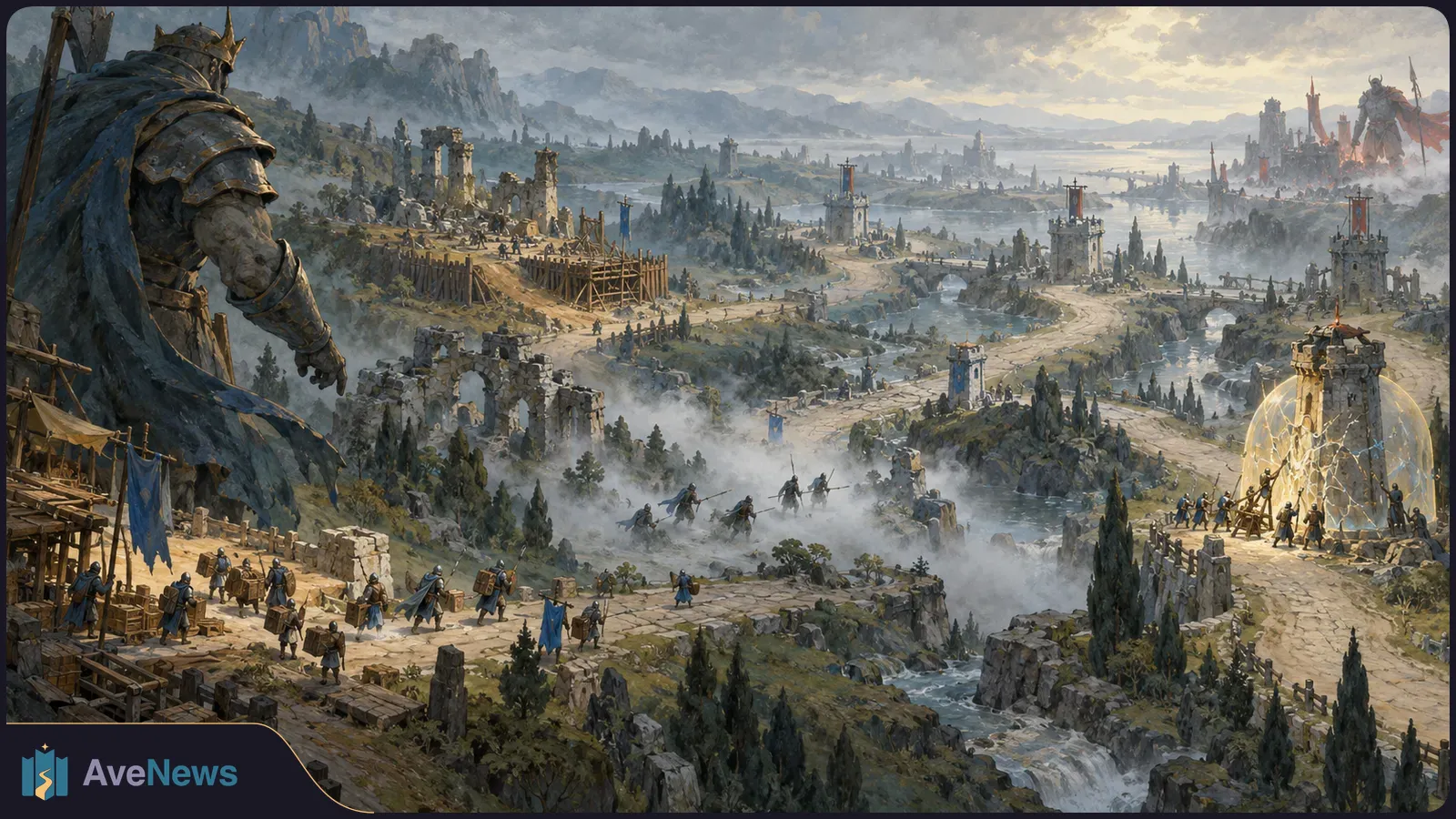
IGN’s hands-on preview describes a four-versus-four game where troops gather resources, open defenses to attack and help players change the familiar three-lane battlefield.
IGN’s hands-on preview describes a four-versus-four game where troops gather resources, open defenses to attack and help players change the familiar three-lane battlefield.
IGN’s hands-on preview of the unfinished March of Giants describes a game where players do more than fight along established routes: they command soldiers, spend supplies on fortifications and leave ruins that change where defenses can be built. According to IGN, the developers want players to change and manipulate the battlefield.
March of Giants is a multiplayer online battle arena, or MOBA—a team-based game in which player-controlled heroes fight along routes called lanes. Its four-versus-four matches retain three traditional lanes, but each player’s giant also commands soldiers, and teams can move troops and supplies between fronts. Victory requires destroying two of the enemy’s three final citadels.
IGN reports that soldiers use two command keys: one sends them forward or redirects their charge, while the other recalls them. Players can send troops to gather supplies or money, or detach small groups to check woods and ruined buildings for concealed enemies. Soldiers are also necessary to break the shields protecting enemy towers and bunkers before those structures can be damaged.
The two resources serve different purposes. Requisition points are money used to upgrade the giant; supplies pay for battleworks, the game’s defenses and military support. Battleworks can help secure an advance or defend a struggling lane. They include trenches and bunkers, but also ironclad tanks, cavalry charges and airships that drop soldiers.
That resource contest extends beyond the lanes. IGN describes attacks on enemy supply depots and shop points: destroying them strengthens the attacking team’s abilities and denies opponents safe positions. Teams also fight over neutral objectives—targets belonging to neither side—such as siege dozers that attack enemy bunkers and towers.
The defenses create specific obstacles rather than simply adding more targets. Trenches stop or slow soldier charges, while anti-giant bunkers keep opposing giants from approaching to follow their troops into combat. IGN describes tanks and cavalry charges as ways to push through those defenses.
Destroyed buildings then leave ruins that prevent construction on the same spot. Teams cannot keep rebuilding a defensive position on identical ground as they push back and forth. The familiar MOBA contest over three lanes remains, but players also decide where to fortify and move resources—and must adapt when destruction removes places they could previously build.
IGN’s October 1 preview was based on one day playing an in-development build. The developers target matches of roughly 20–30 minutes, and the writer reported seeing none longer than 25 minutes. Those observations describe that session, not an established typical match length. The preview explains how the systems work together, but cannot establish their balance or whether the strategic choices remain varied over sustained play.
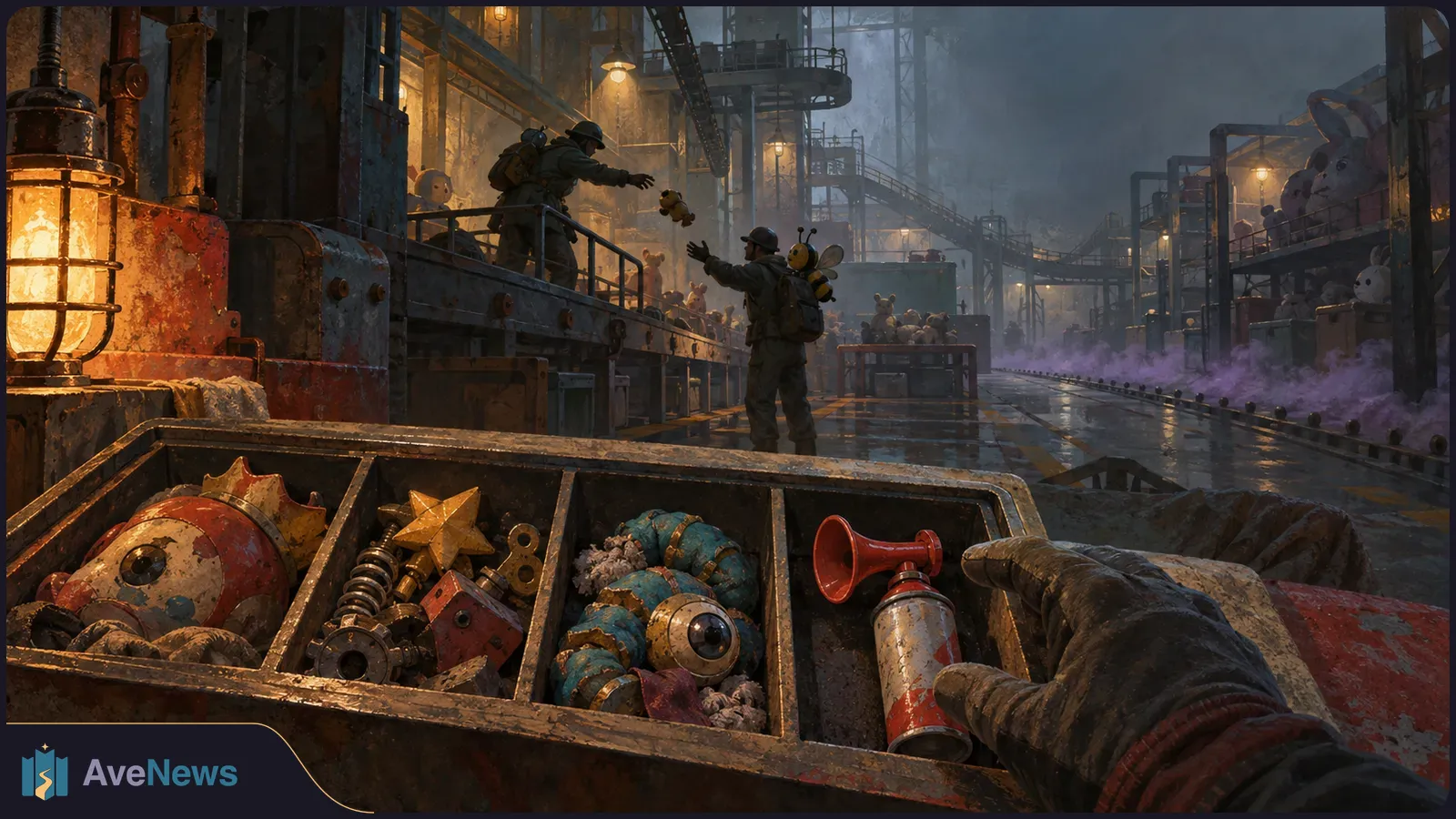
Mob Entertainment’s cooperative horror game sends players into a toy factory where rising loot quotas and enemies that require an ally’s help put teamwork under pressure.
3 min

In a new interview ahead of her scheduled Frankfurt Book Fair appearance, the Czech author explains how city history, a fly and circus magic shaped The Hypnosis of Maribor.
3 min

Seven recipients were honoured at the October 1 London ceremony, with recognition for explaining music deals, giving emerging songwriters a stage and championing new music.