
Meta offers open-source tools for homemade Muse devices
Developers can build hardware for Meta’s AI agent. Its own Home Link gadget has an open waitlist, with October shipping planned.
Developers can build hardware for Meta’s AI agent. Its own Home Link gadget has an open waitlist, with October shipping planned.
Meta is offering developers tools to build their own devices for its Muse AI agent through a project called Muse Gadgets. The company is providing open-source firmware—the software that runs on a device—and a Linux software development kit, or SDK, according to Meta Superintelligence Labs product head Nat Friedman, as reported by Engadget.
The project opens a route to developer-built Muse hardware alongside Meta’s own devices. Engadget reported on October 2 that Meta had unveiled its Muse Charm device at the Connect event the previous week.
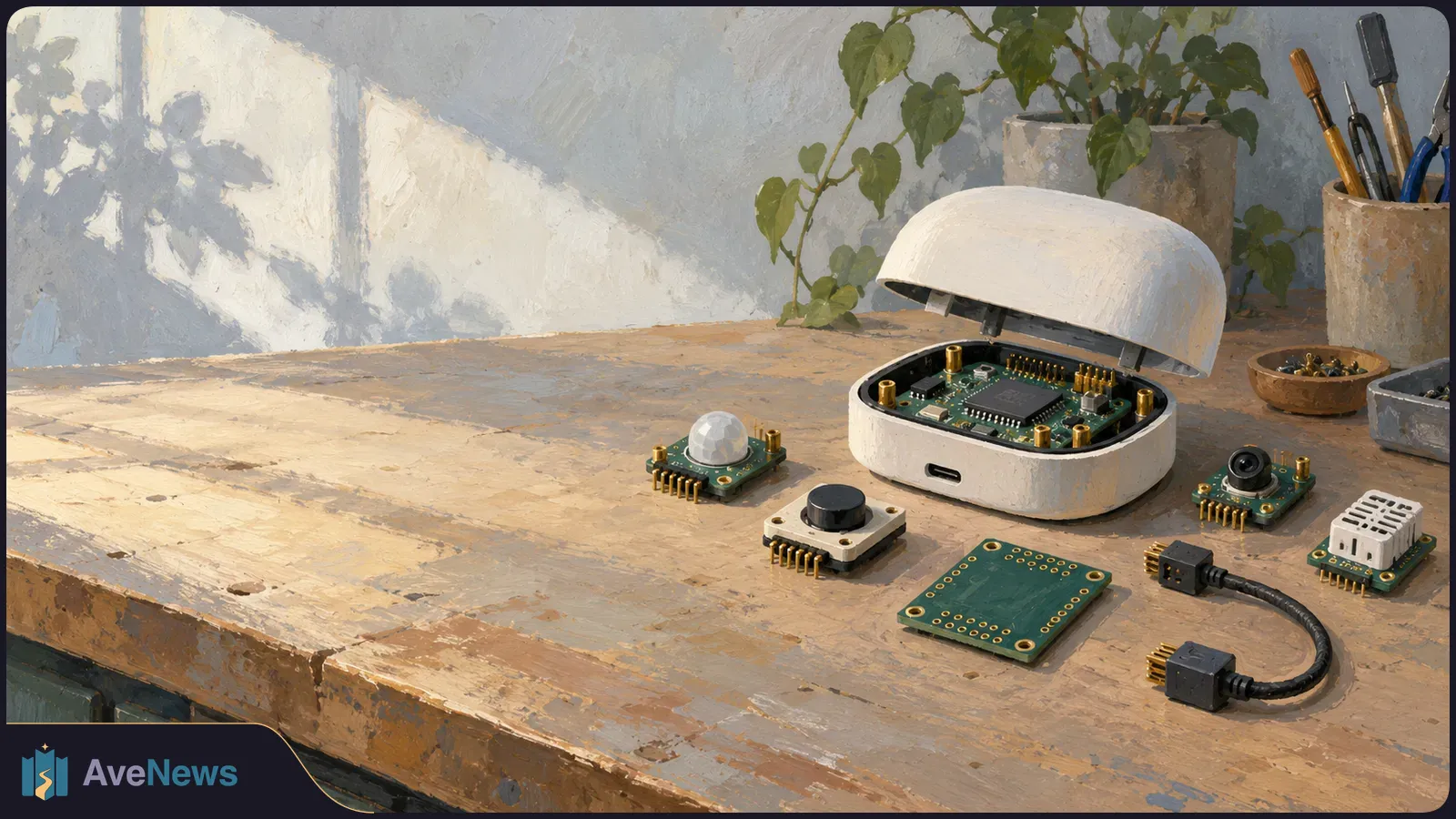
According to Meta’s description quoted by The Verge, developers can program an off-the-shelf ESP32 board or set up a Raspberry Pi small computer with the company’s SDKs. Meta says they can then connect Muse to displays, buttons, sensors and actuators—components that carry out physical actions.
Meta suggests a color E Ink electronic-paper display for reminders, an HDMI stick to display Muse on a larger screen, or a small touchscreen device resembling a homemade Muse Charm. These are suggested projects, not independently tested third-party products. Meta also cautions developers to “Proceed at your own risk!”
Meta’s own example is Muse Home Link, a USB-C-powered device. Friedman says it connects Muse to a home network to communicate with devices such as TVs and speakers that expose HTTPS, the protocol used for secure web communication. Engadget reports that Meta is giving away a batch of 5,000 Home Links to Muse subscribers.
Meta says Home Link uses community-built skills for tasks such as turning on a light, controlling a TV or sending a document to a printer. Those functions depend on the user’s setup; they are not a promise that every connected household device will work.
The Verge reported on October 2, 2026, that Home Link’s waitlist was open and shipping was planned for sometime in October.
The precise licensing terms, access controls and device-compatibility limits are not yet clear. Plans for distributing Home Link beyond this batch are also unclear.

Hudson Rock says newly obtained FortiGate files contain local-user and directory-binding records, adding older material to its credential-exposure investigation.
2 min

The Gemini for Home changes also target mistaken timer requests and controls for devices in other rooms. Rollout began on 29 October 2026 and may take time to reach everyone.
2 min

Meta’s standalone app is available on iOS and Android in Indonesia, Singapore and Thailand. Its descriptions promise outfit ideas and virtual try-ons using users’ existing wardrobes.
2 min