
Micron customers prepay $32 billion to secure memory supplies
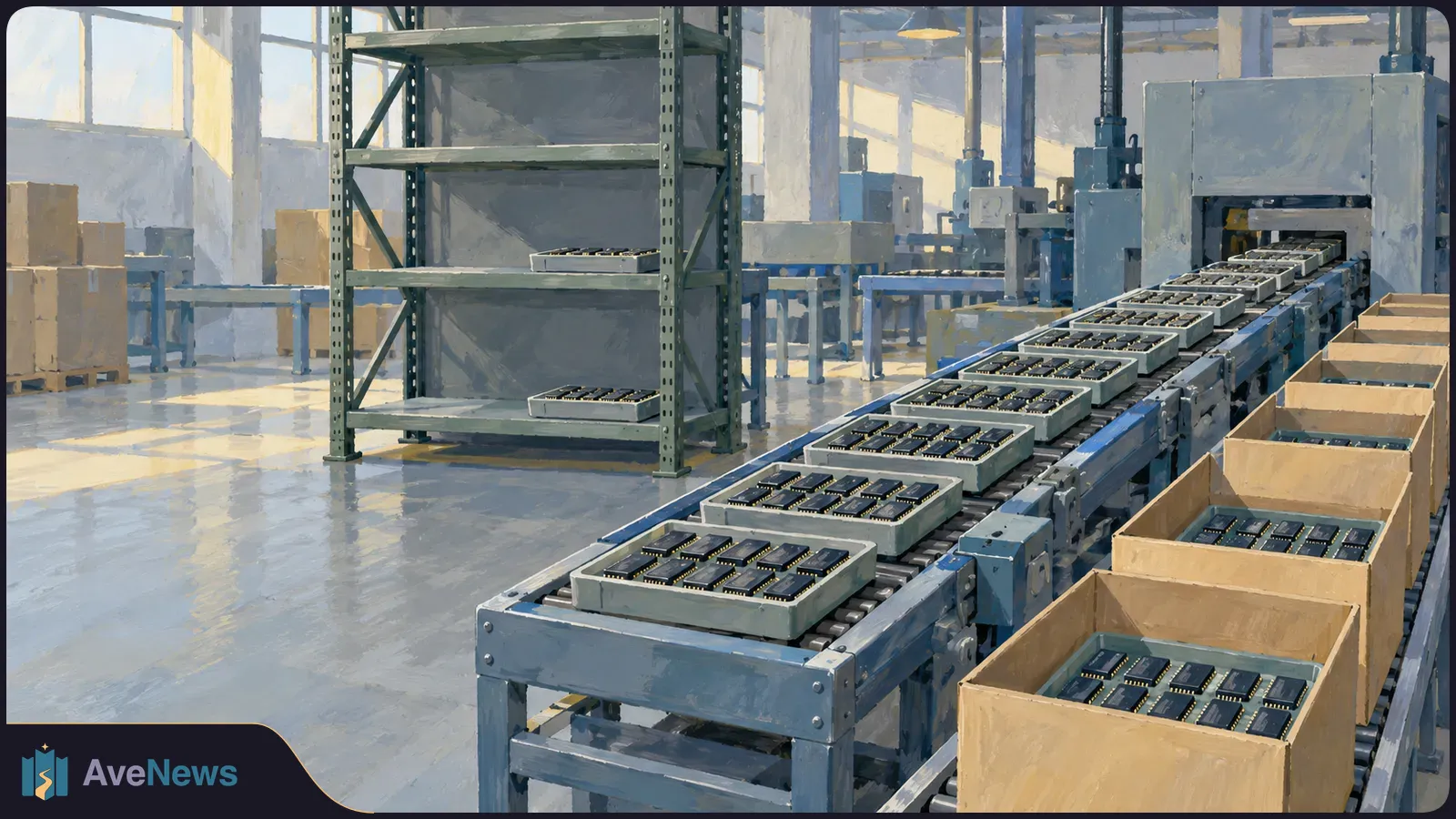
Customers have paid ahead for memory and flash supplies. Micron says agreements cover most of its 2027 high-bandwidth memory output at significantly higher prices than in 2026.
Customers have paid ahead for memory and flash supplies. Micron says agreements cover most of its 2027 high-bandwidth memory output at significantly higher prices than in 2026.
Micron customers have made $32 billion in prepayments to secure memory and flash storage supplies, according to The Next Platform’s October 2 reporting on the company’s earnings call. Micron has signed 26 supply agreements covering roughly 35% of its revenue through fiscal 2030. That coverage describes contracted business, not revenue already recognized.
The Next Platform also reported $150 billion in Micron’s remaining performance obligations: a revenue backlog of contractual commitments still to be fulfilled, rather than revenue already recognized. That figure covers only deals with fixed minimum prices and committed volumes.
Micron reported sharply higher fourth-quarter gross margins at two memory businesses, according to Eurogamer’s October 3 earnings coverage. The cloud memory unit includes high-bandwidth memory (HBM), used in superintelligence (SI) datacenters. The core datacenter business sells more DRAM, a type of working memory. Gross margin is the share of revenue left after the direct cost of products sold, before other expenses.
| Measure | Reported fourth quarter | Year-earlier fourth quarter |
|---|---|---|
| Revenue | $54 billion | $11 billion |
| Cloud memory gross margin | 83% | 59% |
| Core datacenter gross margin | 90% | 41% |
Micron reported record fourth-quarter revenue of $54 billion—nearly five times the year-earlier figure—according to Semiconductor Engineering’s October 2 report. Alongside that result, the memory producer forecast supply constraints lasting through 2028.
Micron says more than 75% of its 2027 output is already committed. For high-bandwidth memory (HBM) specifically, CEO Sanjay Mehrotra said the company had completed agreements for the vast majority of its calendar-2027 supply, with significant price increases from 2026, The Next Platform reported. HBM uses stacked DRAM working-memory chips in SI datacenters. Separately, Micron expects memory supply to remain tight through 2028. That outlook is a company forecast, not a confirmed future market outcome.
Eurogamer reports that Micron plans $25 billion in capital expenditure in the first half of its new financial year, backing new factories planned to begin operating in 2028. Capital expenditure is spending on long-lived assets such as factories and equipment. Executives cautioned that the additional production capacity would not immediately ease prices or improve availability.
The industry outlook also points to HBM taking a larger share of memory production capacity. A Samsung executive told Reuters that HBM is expected to consume nearly 30% of DRAM manufacturers’ wafer capacity in 2027, compared with about 20% currently, Semiconductor Engineering reported. DRAM is a type of working memory; wafers are the discs on which chips are made.
Micron CEO Sanjay Mehrotra said the company does “not have line of sight to when supply and demand will return to balance”, Eurogamer reported.

The plan would remove a national framework for investors to put recommendations to shareholder votes. Public comments are open through November 20.
3 min

In an October 1 address, Christine Lagarde explained how similar trades, faster cyberattacks and restricted model access could compound risks across financial institutions.
4 min

The platform is reportedly used at more than 160 institutions. Its founders will continue to lead it as a distinct brand; financial terms were not disclosed.
2 min

