Museum Wiesbaden plans to return 10 skulls to Indonesia
Hesse’s culture ministry says the November 10 handover would be the first return of human remains from a German museum to Indonesia.

In this article
Museum Wiesbaden plans to return 10 human skulls from the Dutch colonial era to Indonesia at a ceremony on 10 November, Hesse’s culture ministry said. The handover was still forthcoming when it was reported on 4 November. The ministry said Museum Wiesbaden would be the first German museum to return human remains to Indonesia.
The remains were part of the collection of military physician Ernst Albert Fritze and reached Wiesbaden in the 19th century. The ministry said the planned return is part of efforts by Hesse’s state institutions to examine their collections for unlawful colonial-era acquisitions and take responsibility for their history.
Tracing the collection
Fritze worked for the Dutch colonial administration in the 1830s. According to the museum’s historical account, he sent natural-history material, including human skulls from Indonesia, to the Netherlands and museums in his home region beginning no later than 1833. He supplied the Nassau Society for Natural History, a predecessor of Museum Wiesbaden.
The connection to Fritze does not establish the remains’ precise origins. The German Lost Art Foundation says their provenance remains unclear; its research project aims to learn more about where they came from and how they should be handled.
On 7 June 2023, the museum returned a Toi Moko, a specially prepared ancestral skull from New Zealand in Fritze’s collection, to a Māori and Moriori delegation. The museum linked that return to continuing research intended to enable the remaining individuals’ return.
Research and the planned handover
Museum curator Andy Reymann has researched the collection’s origins for several years, ARTnews wrote. In 2023, the museum received German Lost Art Foundation funding for work with Frankfurt’s university hospital forensic medicine institute and University of Cologne Dutch Studies researchers. The project combines forensic examination that does not alter the remains with research in Dutch East India Company archives.
At the planned ceremony in the museum’s lecture hall, Hesse’s arts and culture minister Timon Gremmels is to hand the remains to Indonesian government representatives. The remains will be covered with a cloth out of respect for the deceased.
Earlier in Culture
 Art & Heritage
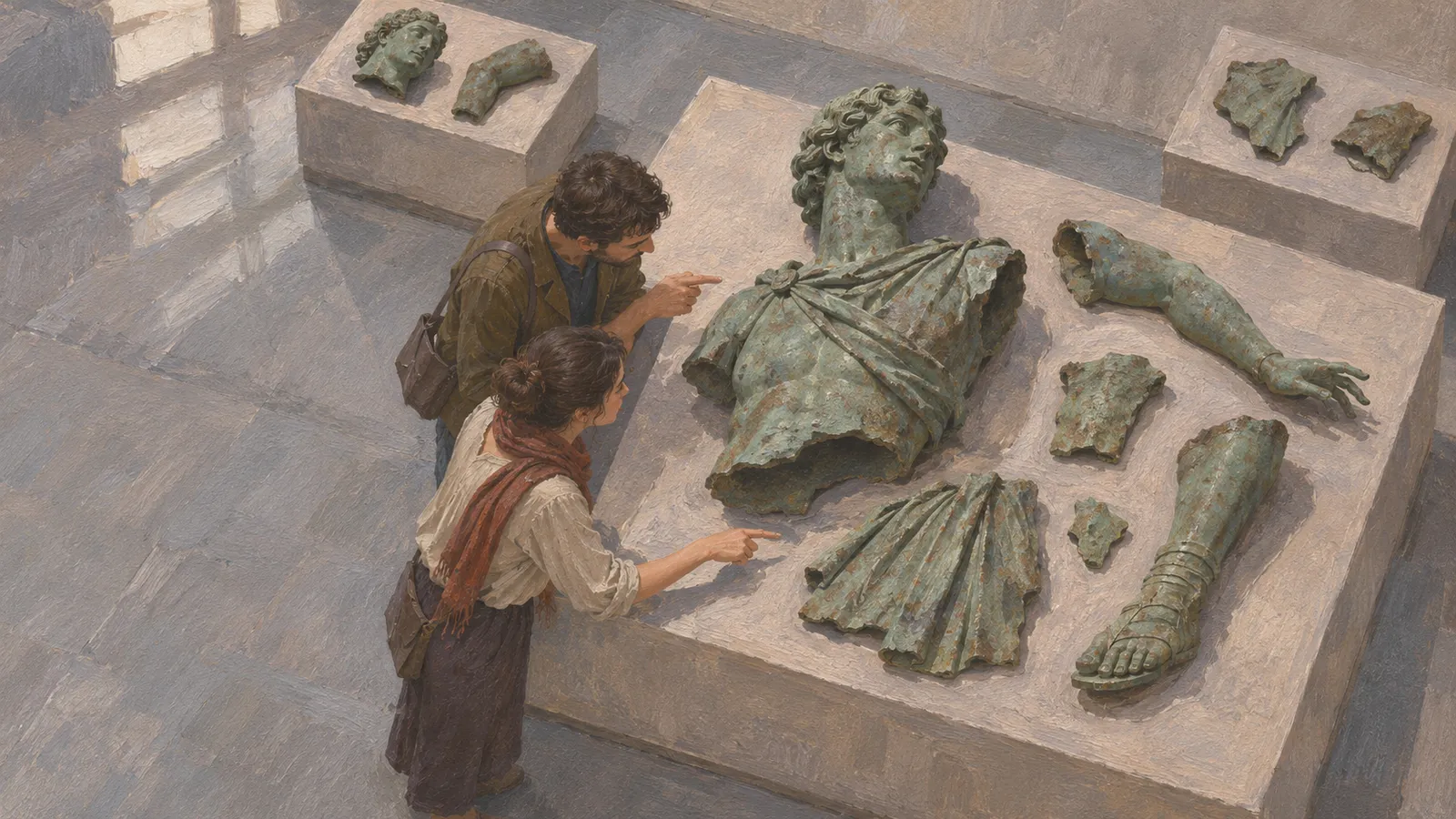
Turkey presents antiquities returned from US and reunites Boubon bronzes
Turkey presented the returns on 2 November 2026, with conflicting counts of 100 and about 200 objects. The event also opened “No Escape: Boubon,” bringing scattered sculptures and parts together for display.
4 min
 Art & Heritage
Macron nominates Guillaume Cerutti to lead Versailles
Cerutti is due to take office on 9 November and oversee a €200 million (about $224.9 million) restoration, safety and security program at the palace.
2 min
 Film & TV
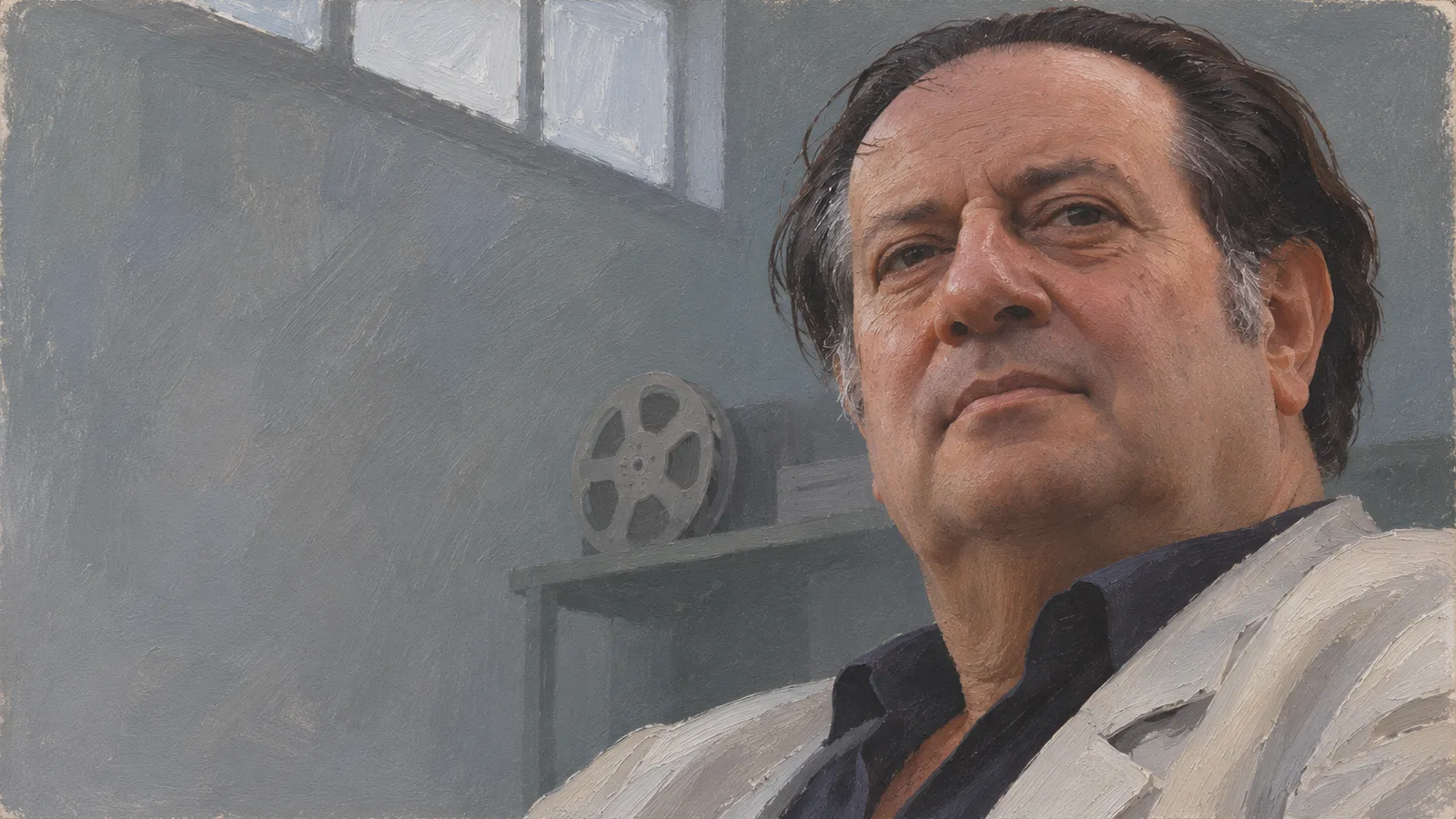
Tinto Brass, director of Caligula and Salon Kitty, dies at 93
The Italian filmmaker died in Rome on 4 November 2026, his family announced. His family plans a strictly private funeral.
2 min


Sources
Show all 4 sourcesShow fewer
- ARTnewsMuseum Wiesbaden Will Be Germany’s First Institution to Return Colonial-Era Human Remains to Indonesia
- merkurist.deWiesbaden gibt menschliche Schädel an Indonesien zurück - Merkurist
- museum-wiesbaden.deDas Ende einer über 200-jährigen Reise – Museum Wiesbaden
- kulturgutverluste.de"Schädel mehrerer lnsulanerstämme" - Die Schädelsammlung von Ernst Albert Fritze im Museum Wiesbaden | Kulturgutverluste