
NASA’s PRIMA telescope moves into preliminary design
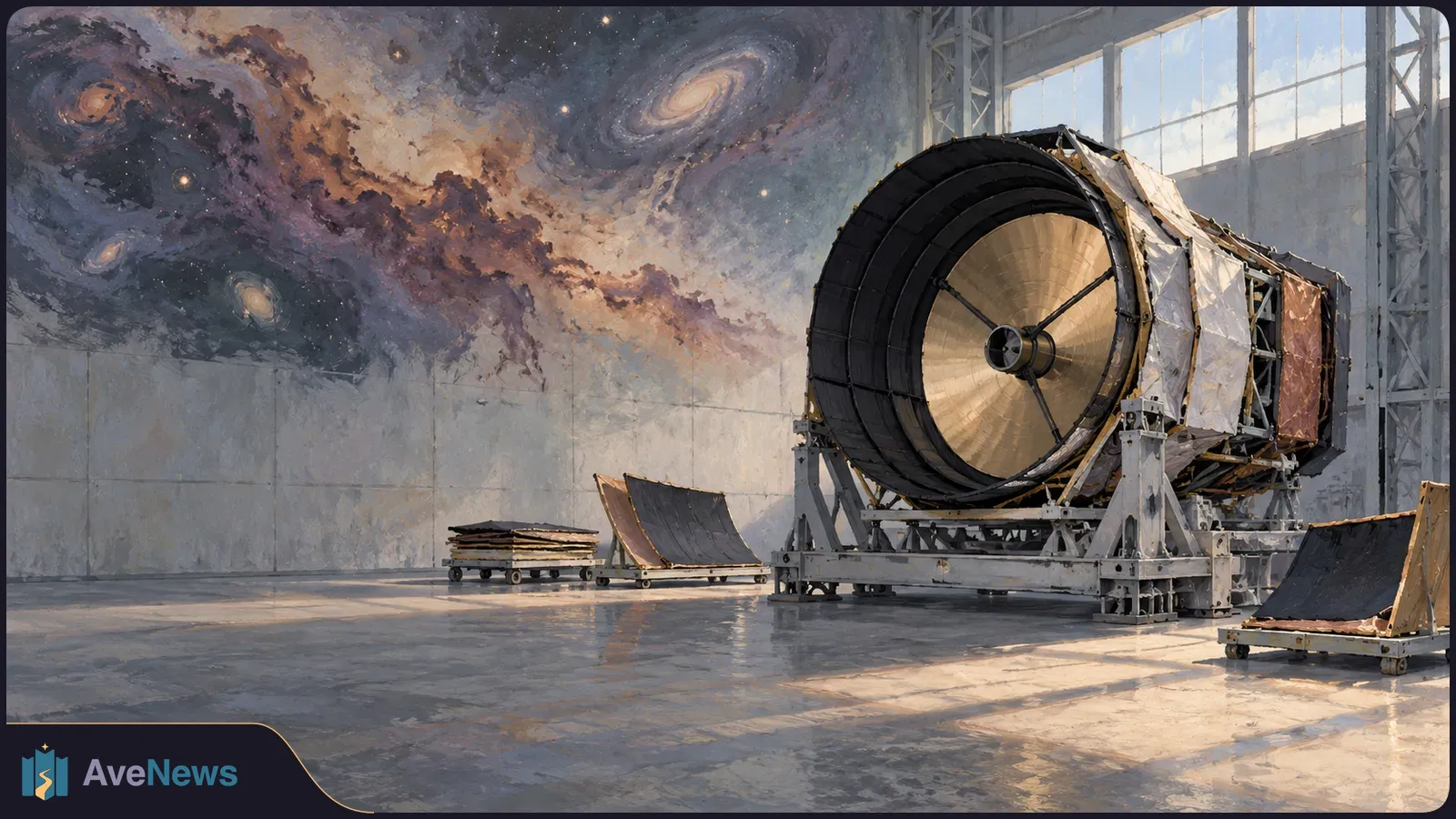
The proposed far-infrared telescope would cover wavelengths between Webb and radio telescopes. Confirmation is still pending, and its 2033 launch target depends on completing development.
The proposed far-infrared telescope would cover wavelengths between Webb and radio telescopes. Confirmation is still pending, and its 2033 launch target depends on completing development.
NASA’s PRIMA space telescope is moving into Phase B, the stage for preliminary spacecraft design and technology development, Universe Today reports. NASA announced its selection on September 23 as the first mission in its new Probe Explorers class of astrophysics missions. The telescope is not yet fully confirmed.
PRIMA stands for PRobe far-Infrared Mission for Astrophysics. Universe Today reports that its proposed design calls for a 1.8-meter telescope to survey the Universe at far-infrared wavelengths—a range of light beyond human vision. The Planetary Society’s newsletter says those observations could help reveal the chemistry of planetary building blocks, the materials from which planets form, around other stars.
The proposed observations would also help researchers study what distant galaxies are made of and how they evolve.
PRIMA’s planned far-infrared surveys would fill a wavelength gap between the James Webb Space Telescope and radio telescopes, Universe Today reports. Webb observes near- and mid-infrared light, while radio telescopes observe longer wavelengths.
What remains uncertain
PRIMA must pass a confirmation review assessing its capabilities, cost-effectiveness and readiness before it can move to Phase C, the next development stage, according to Universe Today. If it reaches that stage, its cost would be capped at $1.2 billion, excluding launch and other related costs. The observatory has a target launch year of 2033, dependent on completing all development phases—not a confirmed launch date.

The Commonwealth Games finalist says continuous urine leakage once limited her training. Surgery in 2013 brought relief, and Gynocare supported her schooling.
2 min
Kenya’s Health Ministry said on 20 October that a quarantined relative of the first patient tested positive and began treatment immediately.
13 min

The university is offering students a free measles, mumps and rubella vaccine booster and warning that additional close contacts may have been exposed. It has not named the affected team.
2 min

