
New York City’s landfill options are narrowing
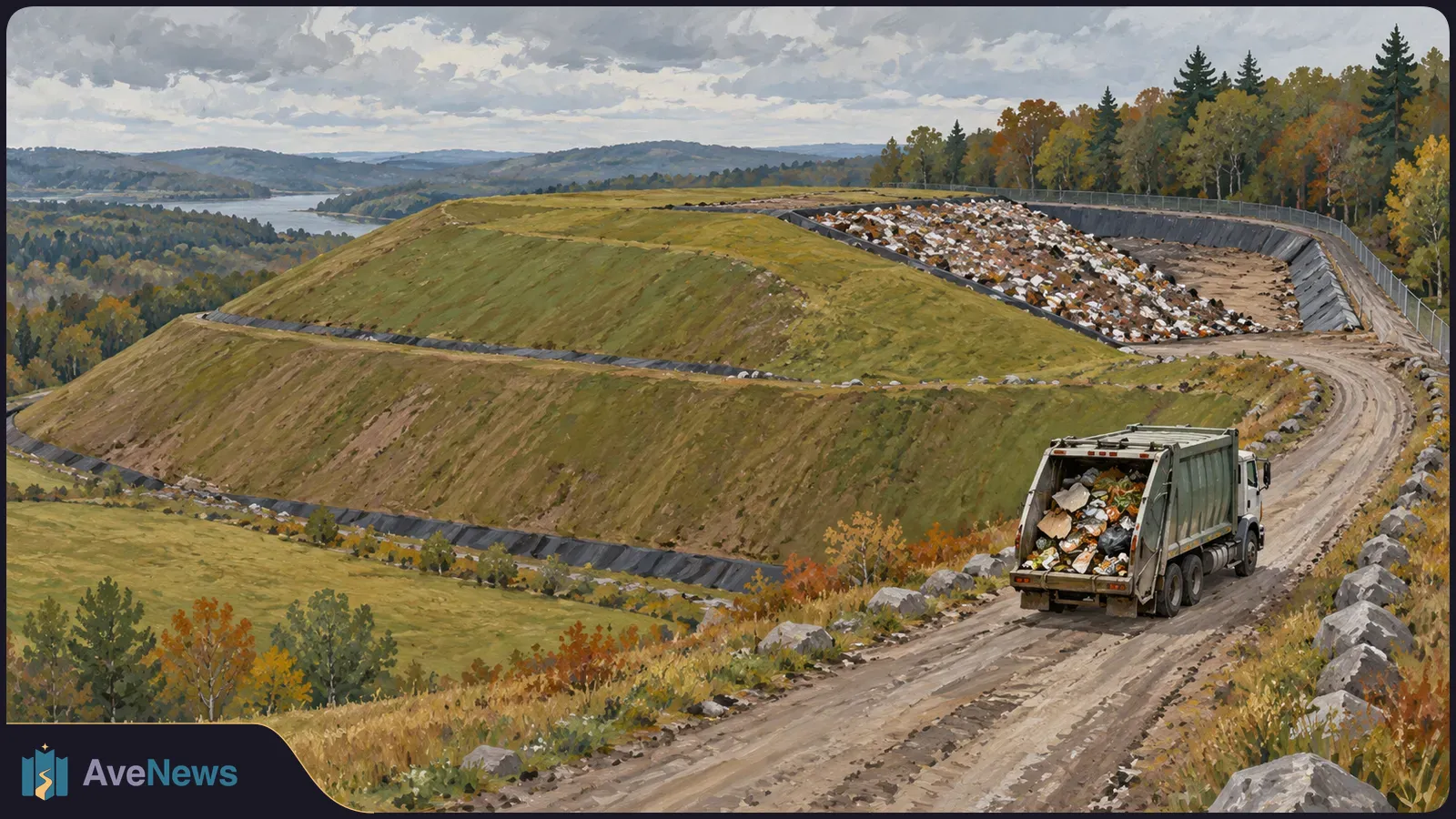
Long permit processes and opposition to expansion limit disposal options, while much of the city's recyclable and compostable waste still goes into the trash.
Long permit processes and opposition to expansion limit disposal options, while much of the city's recyclable and compostable waste still goes into the trash.
New York City's latest draft waste management plan projects that New York state's landfill capacity for the city's garbage will run out within 16–25 years under current permits, according to Inside Climate News. That is a conditional projection, not a timetable of confirmed landfill closures.
The city already sends more than two-thirds of its municipal waste to landfills hundreds of miles away. Half ends up in landfills in Virginia and South Carolina. City sanitation spokesperson Vincent Gragnani said shrinking regional capacity would likely mean exporting trash to even more distant locations.
Adding disposal space takes time. Environmental engineer Craig Benson said permits for a new landfill can take five to 10 years to obtain. Expanding an existing site can also take years because of state regulations, and nearby communities often oppose either option.
Longer journeys can also cost more. In 2024, the town board voted to close the Ontario County Sanitary Landfill when its permit expires in 2028. An analysis commissioned by county leaders found that the closure would require the area to send waste to other landfills, raising costs through long-distance transport.
Seneca Meadows, New York state's largest landfill, has applied to expand its site in the Finger Lakes region. New York City supplied about 20% of the waste taken there in 2024. The operator proposes increasing the landfill's height by about 70 feet and estimates that the expansion would extend its life by 15 years.
A local law passed in 2016 would have required the landfill to close when its permit expired in 2025, but a state appellate court declared that law invalid after the operator challenged it. While the state Department of Environmental Conservation considers the expansion request, the landfill can continue operating as long as it does not exceed its existing capacity.
A regulatory report estimated that Seneca Meadows had eight months of permitted capacity left at the end of 2024. That historical estimate is not a fixed closure deadline. Benson explained that operators can extend capacity by further compressing waste as it decomposes; a landfill's remaining life also depends on how much waste it accepts and how it is managed.
Nearby communities oppose the expansion, including the environmental nonprofit Seneca Lake Guardian. The group sued the operator in 2024, alleging that landfill odors were a nuisance and violated residents' rights to clean air under the state's Green Amendment. The case is stayed while both sides appeal a judge's decision dismissing parts of their complaints. Seneca Meadows Inc. did not respond to Inside Climate News's requests for comment.
Expanding landfills brings environmental costs as well as additional space. Inside Climate News reports that expanding sites generate more methane, a greenhouse gas, and that Seneca Meadows is New York state's largest source of methane emissions.
Landfills also produce leachate: rainwater mixed with toxic substances from trash. This liquid is supposed to be collected and treated, but some older landfills leak it into soil and groundwater. Sending waste elsewhere carries its own health burden: diesel trucks traveling from waste transfer facilities, where local trash is sorted, to landfills expose residents to fine particles that can contribute to respiratory and cardiovascular disease.
At Seneca Meadows, U.S. Environmental Protection Agency records show emissions of benzene, a substance known to cause cancer. However, a June investigation advocated for by Seneca Lake Guardian did not find a direct link between the landfill and elevated cancer rates.
Recycling and composting could reduce the amount of waste needing landfill space. The city's latest study of what residents discard found a large gap between what could be kept out of landfills and actual diversion.
| Measure | Share of city waste | Basis |
|---|---|---|
| Could be diverted through recycling or composting | 73% | Latest city waste characterization study |
| Actually diverted | About 20% | Fiscal year 2023 |
About a third of the city's waste is compostable. Mayor Zohran Mamdani restarted the mandatory composting program at the beginning of 2026, and Gragnani said participation has been steadily increasing. Ana Baptista, an associate professor at The New School, said diverting food scraps through the program could significantly reduce the waste sent to landfills.
The city plans to release its final waste management plan later in 2026. The state is still considering the Seneca Meadows expansion request.
Developers’ payments would fund shared conservation projects instead of site-by-site nutrient-neutrality measures. Ecologists question whether the plan would address pollution entering rivers.
2 min

Night-time minimums set a national record for the month, while a Kosciuszko snow gauge registered its first September zero reading.
2 min

Homes near Barcelona flooded, while emergency services searched for a missing person north of the city.
2 min
