
How Noah Kahan’s producers shaped The Great Divide
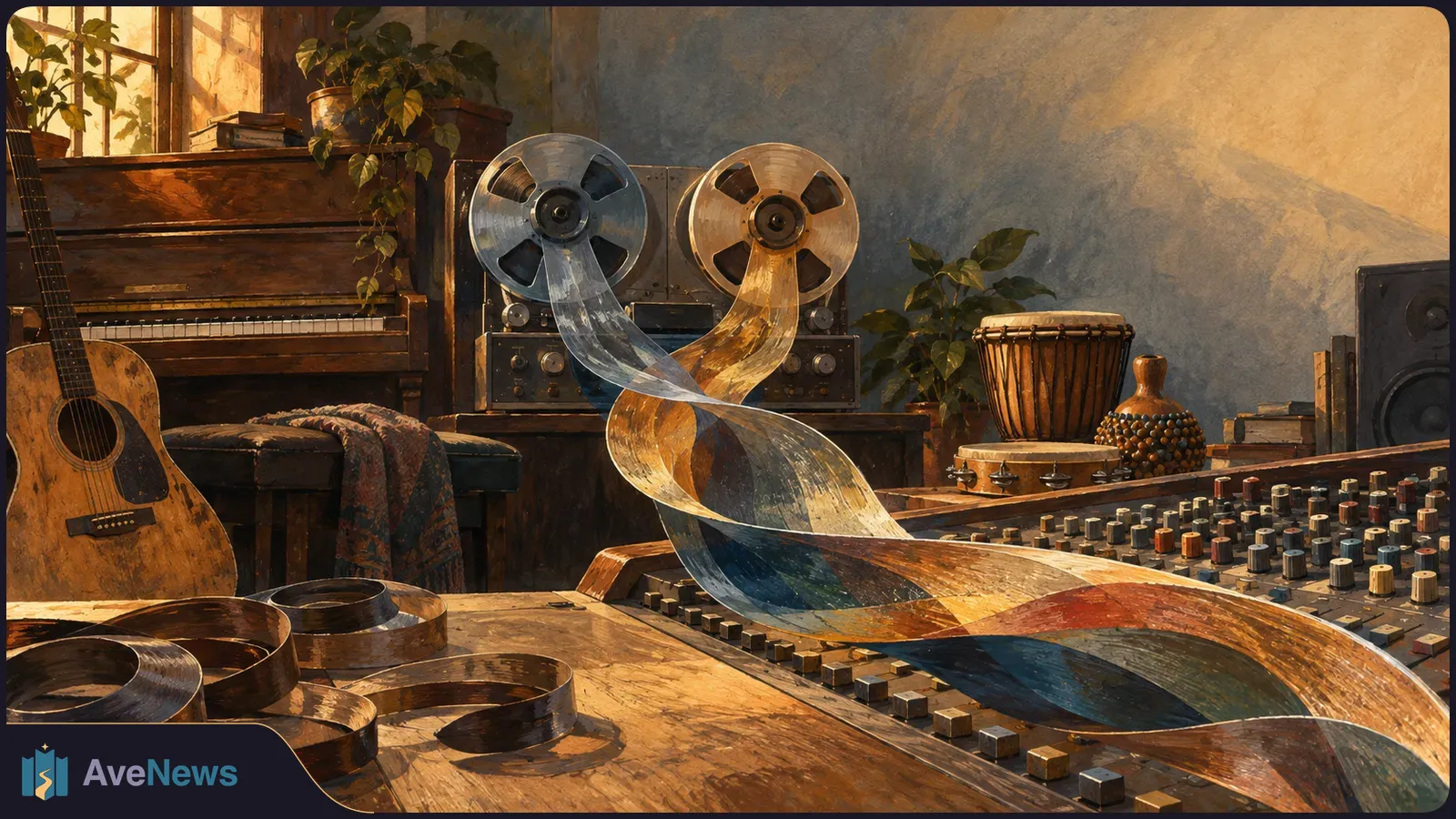
In a new Billboard interview, Aaron Dessner and Gabe Simon explain the joint sessions, buoyant arrangements and relationship map behind the album.
In a new Billboard interview, Aaron Dessner and Gabe Simon explain the joint sessions, buoyant arrangements and relationship map behind the album.
Aaron Dessner and Gabe Simon say they helped bring Noah Kahan’s The Great Divide together through two kinds of work: aligning the recordings and choosing songs that belonged in a connected story about his relationships and himself. Their Billboard interview, published October 1, explains the decisions behind the 2026 album’s 21 songs, including its deluxe edition.
The producers came to the project with different histories. Simon had collaborated with Kahan on Stick Season; Dessner had held an earlier writing session with him at Long Pond, Dessner’s studio in upstate New York. When the two producers began working there together with Kahan, the three wrote three songs for The Great Divide, Billboard reports.
Near the end of production, they took the material to Gold Pacific Studios in Nashville, where Simon often works. Simon says he and Dessner then spent a couple of days working together without Kahan, examining the recordings and aligning their approaches. For Simon, that direct exchange was important: he says it can get lost when several producers work on one record.
The collaboration did not mean giving every track the same mood. Billboard identifies Kahan, Dessner and Simon as the sole writers and producers of the angsty “Downfall” and “A Few of Your Own,” as well as the intimate “Lighthouse.”
Simon describes “Downfall” as an especially dark song whose musical arrangement nevertheless has levity and joy. He compares its feel to Fleetwood Mac. In his account, the music changes how the difficult words land without removing their weight.
Simon points to the same contrast in Kahan’s concerts: audiences dance joyfully to “New Perspective” and “The Great Divide,” despite what he describes as their heavy lyrical subjects. His examples show how difficult themes and an inviting musical feel can coexist.
Simon characterizes the shift from Stick Season to The Great Divide as a move from a place to the people Kahan connects with. To keep those stories connected, the team used a whiteboard to map the songs’ narrative ties—not simply to note where an instrument should enter.
The questions on that board concerned whether a song spoke about Kahan’s brother, sister, friendships, marriage or himself. That map became a selection rule. According to Simon, even a song they considered strong was left off if it did not fully fit the album’s narrative.
The new studio plans to commission authors’ original stories for phone-oriented films before publication, alongside adaptations of existing books. Its first original is planned for October.
2 min
The Highland League club reports monthly costs of around £20,000 and is reviewing spending. The amount of King’s donation is undisclosed.

Billboard’s anniversary retrospective explores the album’s contrasting electronic sounds, six-million-copy sales and the single that earned Minogue her first Grammy.
2 min
