
OpenClaw plans enterprise controls for SI agents
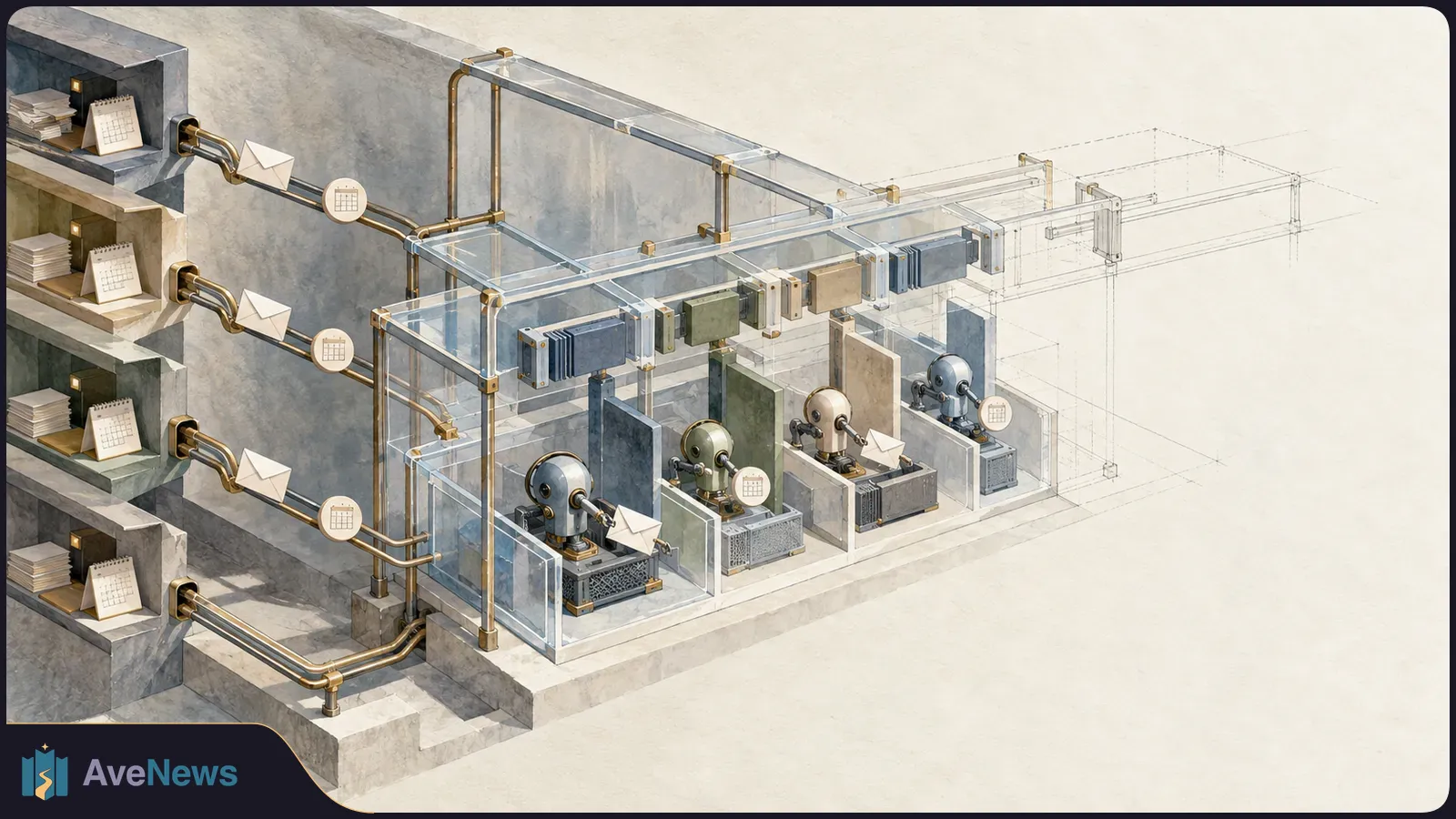
The project aims to give businesses more oversight of assistants that can act on email and calendars. Version 1.0 is still under development, and its safeguards remain proposed.
The project aims to give businesses more oversight of assistants that can act on email and calendars. Version 1.0 is still under development, and its safeguards remain proposed.
OpenClaw has begun work on an enterprise edition intended to give businesses stronger control over SI assistants that carry out tasks. According to The Register’s September 30 report, OpenAI staffer Kevin Lin said version 1.0 of OpenClaw Enterprise, or OCE, was under development. The proposed control plane—a software layer for managing agents—would add security boundaries and oversight.
Lin said the enterprise project began at OpenAI and was subsequently donated to the OpenClaw Foundation.
Created by developer Peter Steinberger, OpenClaw uses a large language model—an SI system that processes and generates language—to automate tasks. If a user grants access to an email account, OpenClaw can analyze messages, send SI-generated replies, respond to meeting invitations and reserve calendar time. The assistant can therefore act through a user’s accounts, rather than merely suggest what the user should do.
The Register reported that analyst firm Gartner had characterized OpenClaw as a source of “unacceptable cybersecurity risk” for business users. China’s Computer Emergency Response Team warned of “extremely weak default security configurations.”
Lin said organizations were asking for stronger common security, safety and governance standards before adopting agents. He attributed what he described as most organizations’ default IT stance of banning platforms such as OpenClaw to that need. He also acknowledged that actual deployment of persistent agents remained limited.
Lin described plans for multi-tenancy: support for multiple organizations or other separate user groups within a shared system. Alongside that support, OCE is intended to provide hard security boundaries. These are proposed protections, not evidence that tenant isolation has been tested successfully.
The project also aims to add governance—rules and oversight—and auditability, meaning the ability to review agent activity, throughout an agent’s lifecycle. Those controls would address how businesses supervise agents as well as what tasks agents can perform.
According to Lin, organizations would be able to replace three core components with third-party or internally developed alternatives: the harness, which connects the SI model to tools and tasks; the model itself; and the sandbox, a restricted environment where software runs. The plan would let businesses choose these components rather than use only the project’s own implementations.
Version 1.0 remains under development. The announcement sets out intended controls, rather than demonstrating that they work or confirming an available enterprise release. For businesses considering agent access to email and calendars, the unresolved question is whether OCE can make those proposed boundaries and oversight tools reliable in practice.

A notification letter lists military job information alongside personal identifiers. Ars Technica says the combination could help foreign intelligence agencies identify high-value military personnel. Officials say the data has not been misused but have not explained that conclusion, Ars reports.
3 min

The announced donation would also support faculty recruitment and student affordability in Pittsburgh. Miami’s education model would focus on societal challenges rather than traditional majors.

Anthropic says six METR staff have employee-level systems access and may publish independent safety assessments, subject to limited redactions.
6 min
2 min
