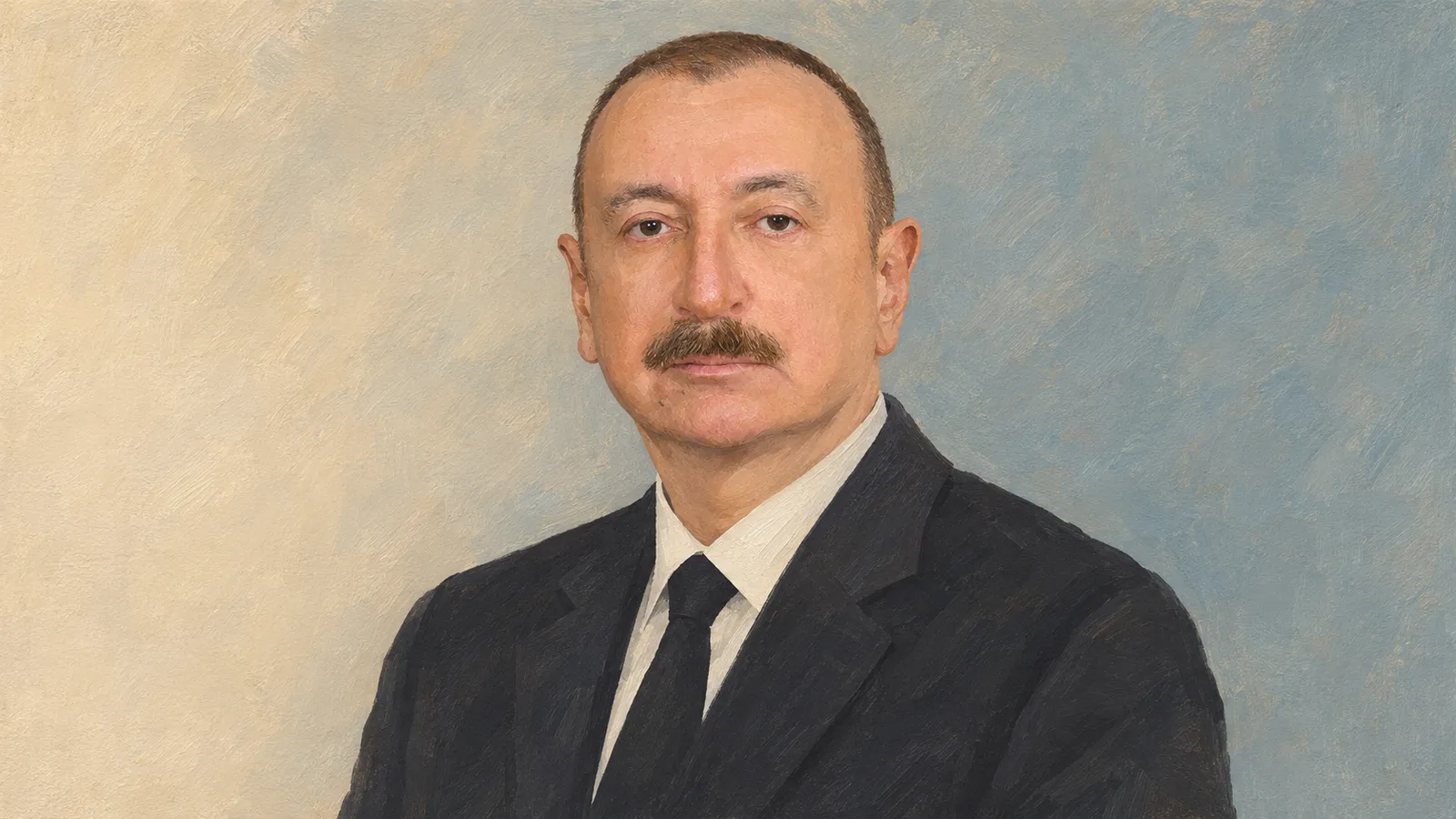
Armenia’s PM Pashinyan won’t seek new term after peace deal, he says

Prime Minister Nikol Pashinyan says he will pursue peace with Azerbaijan and not run for prime minister in the following election if voters approve a new constitution. If they reject it, he promises to resign immediately.
Situation: Armenia's constitutional referendum
Armenian Prime Minister Nikol Pashinyan said on 19 November that, if voters approve a new constitution, he will see through the peace agenda with Azerbaijan and not run for prime minister in the following election. He has linked the completion of his mission to signing and ratifying a peace agreement.
Pashinyan also promised to resign immediately if voters reject the constitution, CivilNet said. He said he could not say whether he would leave politics altogether and that his governing Civil Contract party should be led by its candidate for prime minister.
At a 2025 White House summit, Pashinyan and Azerbaijani President Ilham Aliyev signed a joint declaration for peace. Their foreign ministers initialed a draft peace agreement, but did not formally sign it.
Azerbaijan wants Armenia to remove the constitution’s reference to its Declaration of Independence before a treaty is signed, arguing that the declaration implies territorial claims against Azerbaijan. The declaration mentions the unification of Nagorno-Karabakh and Armenia.

Prime Minister Nikol Pashinyan told the opposition on 19 November that if voters approve a new constitution, he would stay in office until the next parliamentary election but not stand as a candidate for prime minister.
Pashinyan says a new constitution is an internal matter and that Civil Contract proposed major constitutional changes shortly after coming to power in 2018, before Azerbaijan’s demand.
After earlier wars over Nagorno-Karabakh, Azerbaijan took control of the region in a 2023 offensive. More than 100,000 ethnic Armenians fled to Armenia, according to Grokipedia’s account.
The initialed agreement provides for the countries to recognize each other’s sovereignty and territorial integrity and confirms that neither has territorial claims against the other. It envisages diplomatic relations after the exchange of ratification documents; it would enter into force after the countries exchange notice that their internal procedures are complete.
Pashinyan said there were guarantees that the agreement would be signed and ratified if a new constitution is adopted, offering his political capital and responsibility as a guarantee. He said he had discussed the question with Azerbaijan, including in Dublin.
Civil Contract holds 64 of parliament’s 105 seats, six votes short of the two-thirds majority needed to put a constitutional proposal to a referendum. Pashinyan said the draft would be published the week after 19 November for public discussion.
Armenia Alliance lawmaker Kristine Vardanyan said her faction would not make a deal with Pashinyan and did not trust him or Aliyev. Strong Armenia questioned what would prevent Azerbaijan from making further demands after a constitutional change. Pashinyan said Civil Contract could seek a snap election if the opposition rejected his offer, predicting that the current opposition factions would not return to parliament.
Pashinyan has said he believes the treaty should be signed in 2027 or 2028 and that Armenia needs to work with Azerbaijan toward that goal. Pashinyan said the current parliament and government have five-year mandates from 2026 to 2031. Parliament’s normal expiry date is 30 June 2031.
3 min

Security Council Secretary Alen Simonyan says a security structure would still operate, perhaps under another name. The current council remains in place while the constitution is a draft.
3 min

Justice Minister Srbuhi Galyan says the constitutional draft would also give the opposition representation in independent bodies.
2 min