
Wildlife trusts complete 9,500-acre Rothbury Estate purchase
The Wildlife Trusts and Northumberland Wildlife Trust say a low-interest loan bridged the gap while pledged funds awaited payment, allowing them to complete the acquisition.

In this article
The Wildlife Trusts, a federation of 47 conservation charities, and Northumberland Wildlife Trust have completed the purchase of the 9,500-acre Rothbury Estate in Northumberland.
The trusts said a low-interest loan covered the short-term gap while pledged funds were still awaiting payment, allowing them to buy the entire estate, the BBC said. Ownership is complete; restoration and a wider wildlife corridor remain plans.
The purchase follows a UK government funding pledge announced at a biodiversity conference in Armenia.
How the purchase came together
The trusts bought an initial part of the estate, including the Simonside Hills, in 2024. They also secured an agreement to buy the remainder if they raised £30 million within two years. The previous owner was Lord Max Percy, the Duke of Northumberland’s youngest son.
The trusts wanted to prevent the estate from being divided among owners because they feared that could make public access more difficult.
More than 25,000 people donated, Northumberland Wildlife Trust said. Backing in 2025 from broadcaster Sir David Attenborough, president emeritus of The Wildlife Trusts, brought in more than £1 million from around the world within a week, the BBC said.
| Institution | Amount | Status and timing |
|---|---|---|
| National Lottery Heritage Fund | £5 million (about $6.7 million) | Grant awarded in March 2026 |
| UK Department for Environment, Food and Rural Affairs (Defra) | £1,940,000 (about $2.6 million) | Pledged in October 2026 |
On 28 October 2026, Farmers Weekly said Defra’s funding would not be released until after the appeal’s end-of-October deadline. The trusts were then exploring low-interest borrowing to bridge a shortfall.
What the trusts hope to restore
The estate contains moorland, woodland, rivers, grasslands and farmland. Some habitats are designated Sites of Special Scientific Interest, areas recognized for their scientific importance. Curlews, lapwings and red squirrels already live there.
The trusts hope more species will return over the next 10 years, with aspirations for pine martens, beavers and ancient cattle breeds to become common sights.
Their wider vision is a 40-mile nature corridor with the estate at its heart, stretching from Druridge Bay to the Scottish-English border at Kielderhead and Whitelee National Nature Reserves.
Northumberland Wildlife Trust chief executive Mike Pratt said the acquisition offered the potential for nature recovery supported by sustainable farming, with lasting benefits for wildlife, local people and the rural economy. Attenborough welcomed the opportunity to combine nature, community, farming and heritage in a landscape where people and wildlife could thrive together.
Questions about farming and public funding
Nearby tenant farmer Chris Armstrong questioned why the estate needed saving. He told the BBC that he believed local opinion was divided and that most of the farming community viewed the project as “a folly.”
Guy Renner-Thompson, chairman of Northumberland Conservatives, said Defra’s pledge showed misplaced priorities while farmers struggled to obtain Sustainable Farming Incentive funding. He said its application window had opened and closed on the same day.
Responding to the criticism, UK Nature Minister Jenny Riddell-Carpenter said the government was helping after thousands of people supported what she called a “once-in-a-generation opportunity.”
Defra farming director Mike Rowe said the contribution did not come from the farming budget and supported the estate’s potential contribution to the UK commitment to protect 30% of land for nature by 2030. He said the department would examine the implications for tenant farmers; details of any funding conditions were not yet known, Farmers Weekly said on 28 October.
| Livestock | Existing number | Proposed number |
|---|---|---|
| Sheep | 1,500 | 500 |
| Cattle | 50 | 200, a fourfold increase |
Developing the estate’s future
Northumberland Wildlife Trust says restoration is the next phase. It is developing future management plans with communities who live and work on and around the estate, including farming practices intended to help nature recover.
The trust also intends to improve public access so more people can explore the estate and learn about its history and wildlife.
Earlier in Science
 Space
Gamma-ray burst GRB 260310A’s optical and X-ray glow ranks in brightest 1%
Researchers favor a jet viewed off-axis to explain the weak initial flash and bright afterglow. But they say a late X-ray surge still tests their model: if it revealed a narrow jet core, that core would require extreme luminosity and energy.
3 min
 General Science
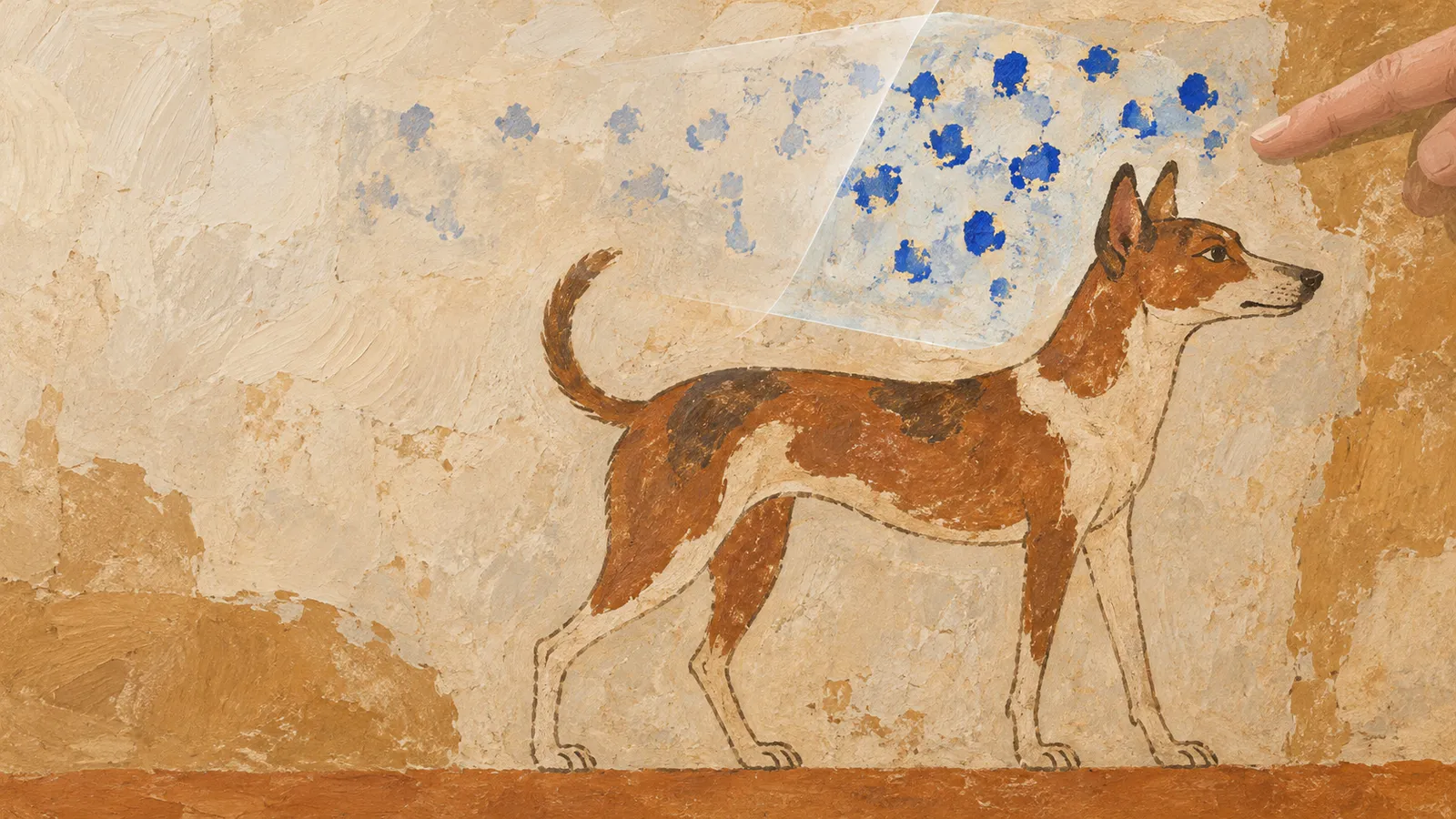
Archaeologist Chelsea Kaufman recovers Duaty’s name from tomb painting
Enhancing faded blue hieroglyphs let Kaufman read the name above a dog painted about 3,500 years ago in User’s Egyptian tomb, adding a previously unknown name to the surviving record.
2 min
 Earth
Resources for the Future projects 1.83-gigaton power-sector emissions cut
The study projects average annual electricity-system costs 3.5–7 percent below a no-bill baseline through 2041. It models only power-sector changes, so the findings compare electricity outcomes rather than establish the full US permitting bill’s net climate effect.
5 min


