
Ceer and Lucid: Saudi Arabia’s two electric-car bets
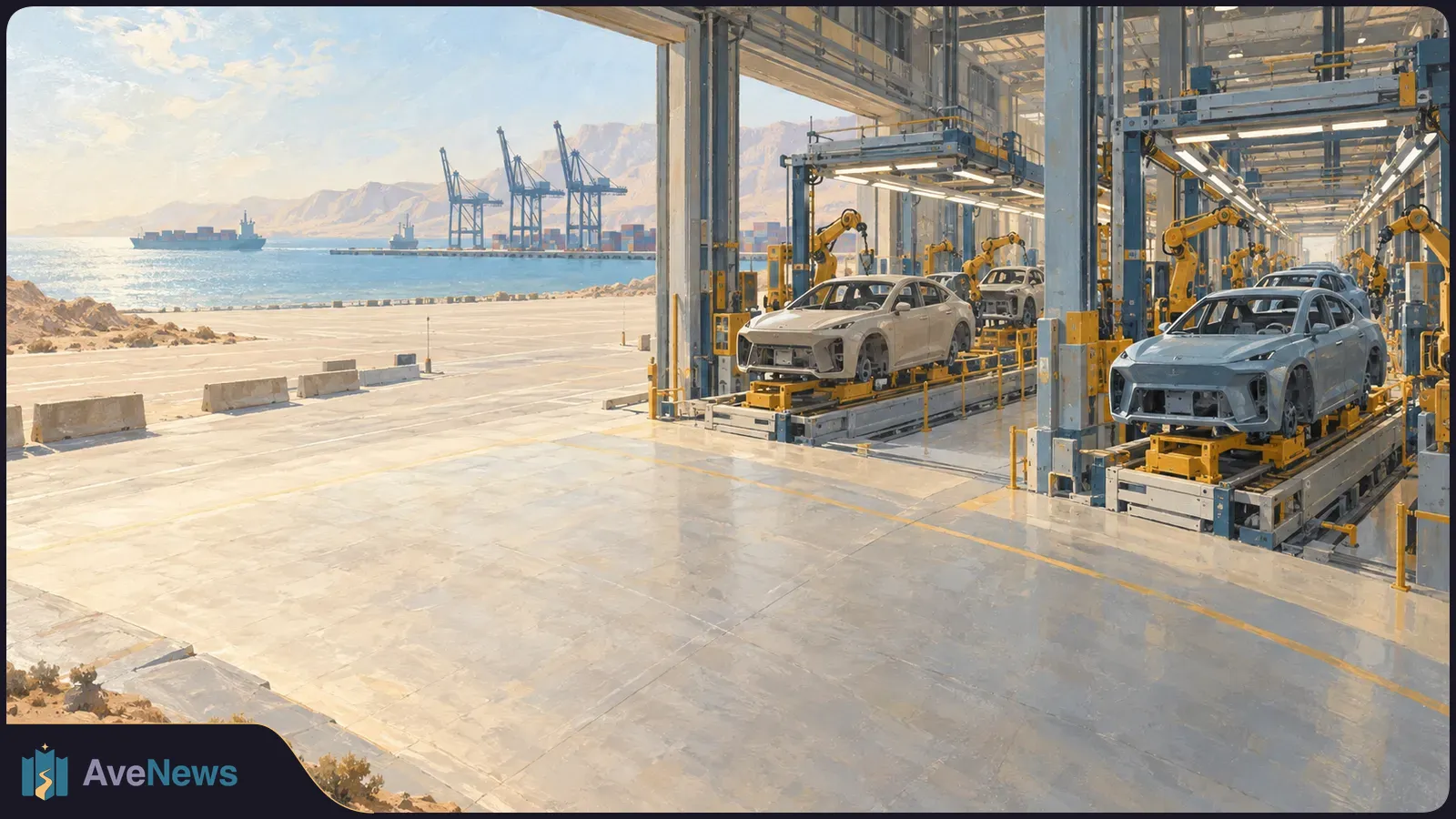
The same Saudi fund backs both premium carmakers. Their factory ambitions exceed estimated home demand, making overseas buyers a central challenge, in consultant Joseph Salem’s assessment.
The award concerns development of the planned Huntsville headquarters, estimated to cost $2 billion to design and build.
Analysis
Ceer’s factory is designed to make up to 240,000 vehicles a year, and Lucid already operates a smaller Saudi plant. Designed capacity is not actual output. Saudi Arabia has no official count of electric-vehicle sales, and the estimates below differ sharply in scale and stated time frame.
| Measure | Vehicles per year | Basis and limits |
|---|---|---|
| Ceer factory capacity | Up to 240,000 | Designed capacity, not achieved production. |
| Saudi electric-vehicle purchases: Hashim AlFatayerji, chief executive of Saudi advisory firm Cararak | 10,000–20,000 | Annual estimate within almost 1 million new-vehicle purchases; no specific year stated. |
| Saudi electric-vehicle purchases: Joseph Salem, senior partner at consultancy Arthur D. Little | 35,000–40,000 | Estimate for 2025; excludes plug-in hybrids, which use both a rechargeable battery and a combustion engine. |
Salem estimates that Ceer and Lucid’s combined full-capacity targets are roughly 10 times what Saudi buyers could plausibly absorb in the near term. On that basis, he says more than 80% of output would need to go to export markets. This is his assessment of the factories’ targets, not a confirmed export share. He describes a Saudi car industry intended to serve the Gulf, North Africa and markets beyond, with domestic sales providing an initial proving ground.
Analysis
Ceer is building its cars with technology from established suppliers. Its motors come from Croatia’s Rimac and South Korea’s Hyundai Transys, its vehicle platform comes from Foxconn, and it has licensed some component technology from BMW. At the same time, Ceer aims to make almost half of its cars’ components locally by 2034. That remains a target rather than an achieved share.
Russo says access to proven technology, long-term funding and a powerful domestic backer gives Ceer advantages that few new carmakers enjoy. But licensing technology alone cannot reproduce Chinese manufacturers’ competitiveness, he argues. Those companies have spent years building large factories and close supplier relationships that help them sell cheaply. They are also expanding abroad because their production capacity exceeds what China can absorb, he says.
Analysis
Ceer would enter regional markets where Chinese brands already have a strong position. BYD accounts for about 60% of electric cars sold in the Middle East, according to the International Energy Agency’s Global EV Outlook, as cited by Rest of World. Estimates of recent Saudi sales also show sharply different trends for BYD and Lucid.
| Carmaker | Estimated sales change |
|---|---|
| Lucid | Down 57% |
| BYD | Up 369% |
AlFatayerji says price partly explains that gap, but warns against treating the figures as a direct competitive comparison: BYD and Lucid serve very different market segments. Russo likewise places Ceer’s first models closer to Lucid’s premium products than to BYD’s mass-market range.
For a broader range to win buyers at home and abroad, Salem says Ceer must match BYD on price, using local parts and state-backed financing. He also says it needs a dealer and service network as wide as BYD’s from the outset, and cars that appeal on their own merits rather than their Saudi origin alone. In his assessment, Ceer’s capital and policy backing could help it close those gaps faster than a typical new entrant—but the price and service requirements still have to be met.
1 min
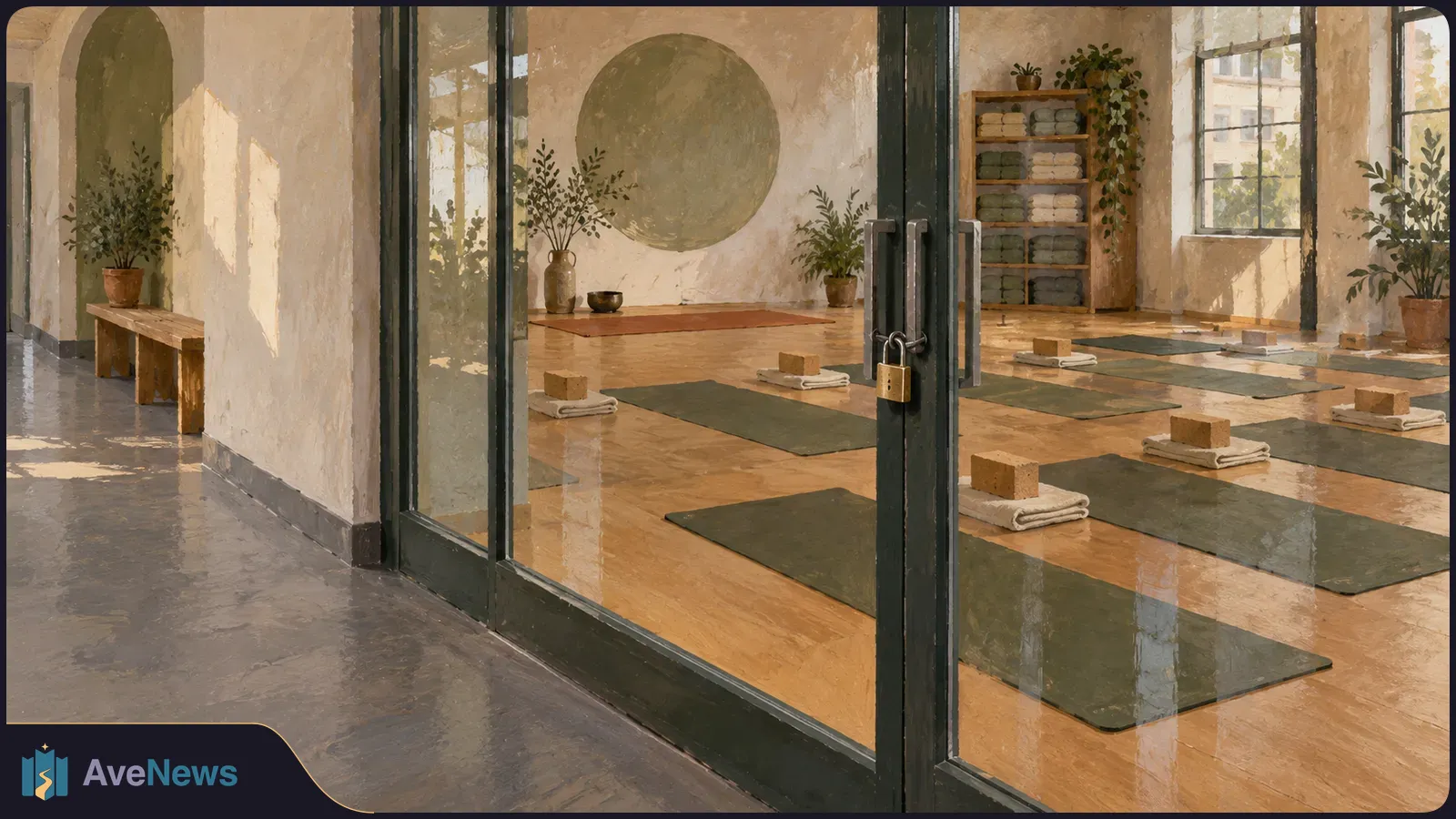
Triyoga and four sister fitness brands have shut, leaving instructors awaiting pay and customers unable to use prepaid memberships and credits.
2 min

The agreement announced September 28 aims to give farmers greater access to cheaper generic pesticides. The proposed court order still needs a judge’s approval.
2 min
Correction ·
House style applied: Armenian punctuation, date and money forms.
Correction ·
Corrected spelling and punctuation in the Armenian text.
Correction ·
In the Armenian text, thousands in numbers were separated by commas, which in Armenian mark decimals. They are now separated by spaces.
