
South Korea’s top court overturns ex-premier Han Duck-soo’s 15-year sentence

The Supreme Court majority said prosecutors had not proved beyond a reasonable doubt that Han meant to disrupt the constitutional order when he proposed a Cabinet meeting before martial law was declared. The court sent the case back to the Seoul High Court for review.
In this article
South Korea’s Supreme Court overturned former Prime Minister Han Duck-soo’s 15-year prison sentence on 19 November and sent part of his martial-law case back to the Seoul High Court. That court had imposed the sentence on 7 May 2026, reducing the 23-year prison term handed down at Han’s first trial.
Han was prime minister when President Yoon Suk Yeol declared martial law on 3 December 2024. Lawmakers voted unanimously to reject the decree, and Yoon’s Cabinet rescinded it. Han became acting president after Yoon was impeached later that December.
Special prosecutor Cho Eun-suk’s team accused Han of taking a key role in an insurrection. Prosecutors also charged him with falsifying and using an official document, violating the presidential records law, damaging an official document and lying under oath. Both Han and the special prosecutor challenged parts of the High Court judgment.
Analysis
Why the justices split over the Cabinet meeting
The Supreme Court held that martial law was unconstitutional and unlawful. The question in Han’s case was whether he meant to disrupt the constitutional order when he proposed the meeting. The justices agreed that knowing the decree might do that was not enough: prosecutors also had to prove that Han acted with at least a willingness to accept that result. In the ruling transcribed by YTN, the majority said prosecutors had not met that burden beyond a reasonable doubt for Han’s actions before the declaration.
For a prime minister to recommend that a president who intends to declare emergency martial law first seek Cabinet deliberation is a legitimate official act asking the president to follow the procedures laid down by the Constitution and the law.
The majority said Han had not helped plan martial law, learned of it that night and appeared to have voiced opposition, including warnings to Yoon about the economy. Han urged Yoon to hear from ministers. The majority said the meeting delayed the declaration and gave some ministers time to ask Yoon to reconsider, but that Yoon pushed ahead without hearing their views at the meeting.
Justice Oh Kyung-mi, presenting the dissent for 3 justices, said Han knew Yoon was determined to proceed and still helped assemble enough ministers to make the process look legitimate. The dissenters read Han’s actions before and after the declaration as a single course of conduct that established the required intent.
What the Seoul High Court will review
The majority saw strong grounds to find the required intent in what Han did after the declaration. He sought ministers’ signatures on a related document and discussed with then-Interior and Safety Minister Lee Sang-min how to carry out orders to cut power and water to certain media outlets. The Supreme Court also found no error in the guilty findings on falsifying an official document and perjury. It rejected the prosecutor’s challenges to acquittal findings, leaving the formal acquittal on using a falsified official document in place.
The reversal did not acquit Han. The Supreme Court set aside the entire portion of the judgment that found him guilty, along with related findings in his favor that appeared only in the High Court’s reasoning. It sent those findings back together because the charges were legally linked. Han remains in custody, and his detention can be extended during the review, Yonhap said.
The Seoul High Court must rule again on the part of the case sent back to it. In an earlier criminal ruling, the Supreme Court held that a lower court must follow the findings of fact and law that led to the reversal unless new evidence changes the basis for those findings. In Han’s case, that means the High Court cannot reach the same guilty finding over the Cabinet meeting on the same evidence.
Follow AveNews
Earlier in Politics
 Rights
South Korea court upholds ex-first lady Kim Keon Hee’s 4-year sentence
The former first lady’s corruption conviction stands over stock manipulation and gifts from the Unification Church, while a separate bribery-related appeal remains before the court.
2 min
 Politics
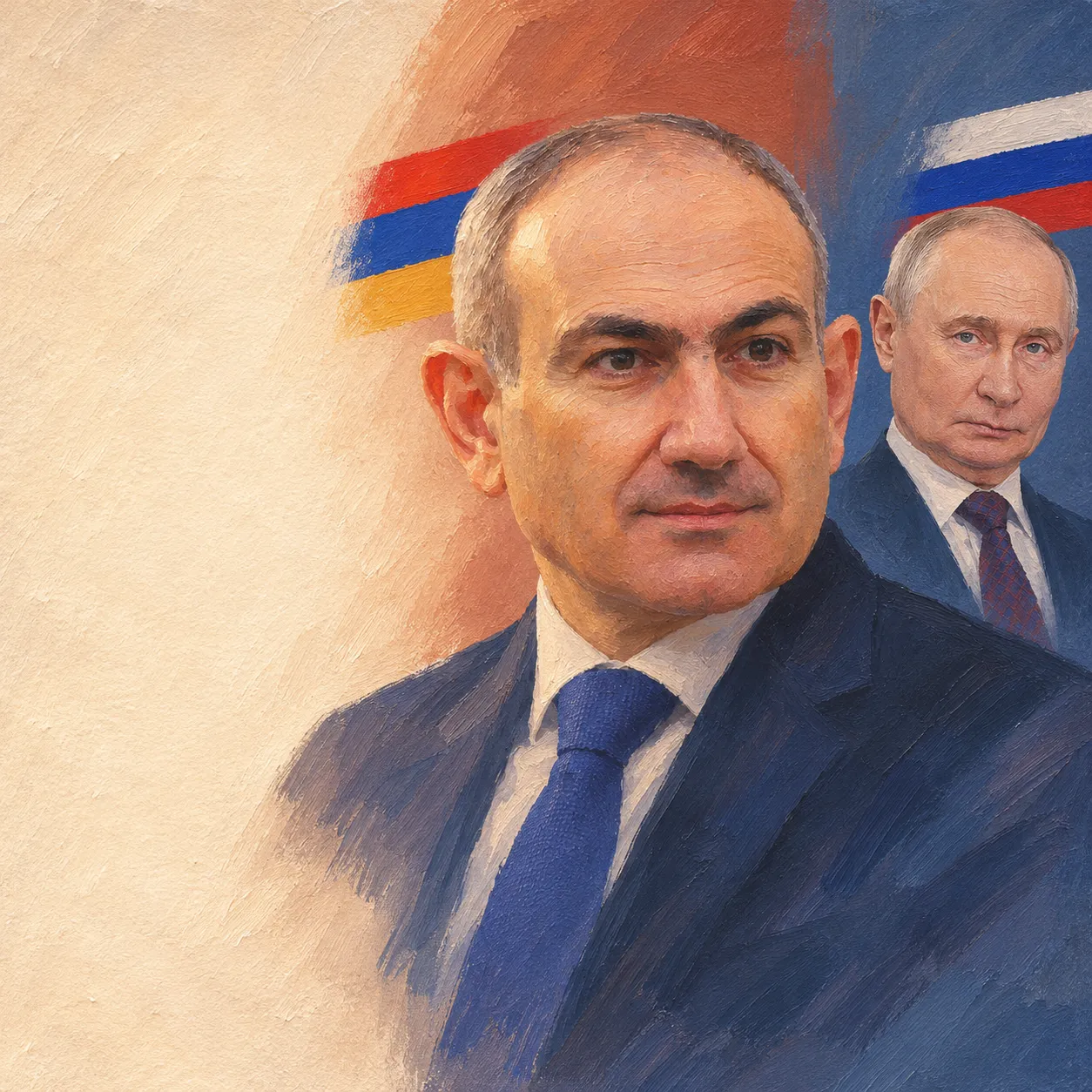
Armenian PM Nikol Pashinyan plans December 3 meeting with Putin
The Armenian prime minister says a working visit to Moscow and talks with Russia’s president are preliminarily agreed, following an earlier understanding reached in Bishkek.
3 min
 Conflict
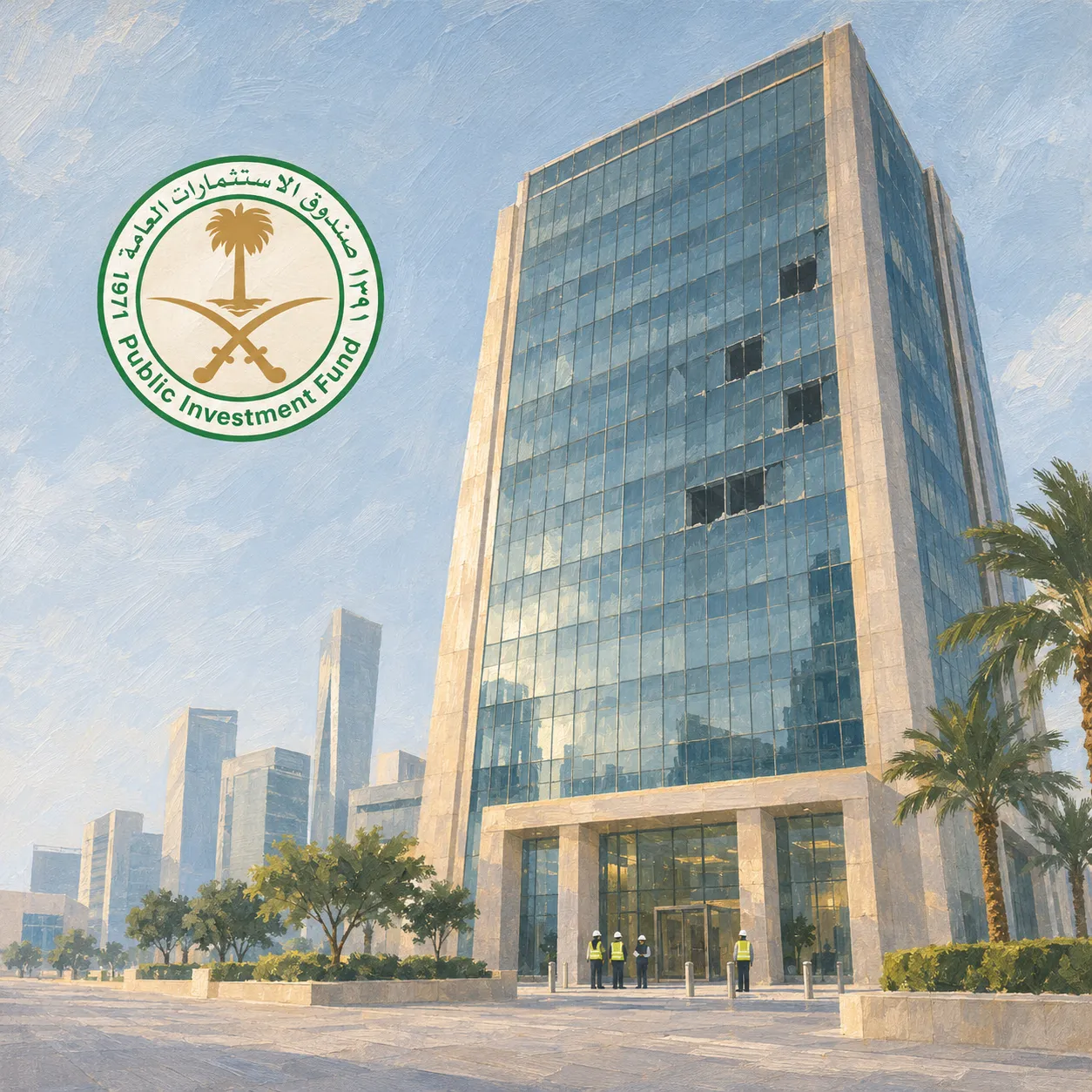
Riyadh’s Public Investment Fund Tower is damaged, witnesses say
Witnesses told AFP the tower’s facade and windows were damaged on 19 November after a blast in the Saudi capital. The Saudi-led coalition said its initial assessment indicated falling debris and that it was surveying material damage.
3 min


Sources
Show all 6 sourcesShow fewer
 DWSouth Korea's top court overturns jail term for former PM Han (opens in a new tab)
- ytn.co.kr대법, 한덕수 내란중요임무종사 사건 '파기환송' [현장영상+] | YTN (opens in a new tab)
- yna.co.kr[2보] 대법, 한덕수 일부 무죄 취지 파기환송…구속 유지 | 연합뉴스 (opens in a new tab)
- newsis.com한덕수, 2심서 징역 15년…"책무 저버리고 내란 가담, 죄책 무거워"(종합) :: 공감언론 뉴시스 :: (opens in a new tab)
- grokipedia.comHan Duck-soo (opens in a new tab)
- law.go.kr공격기피[파기환송 판결의 사실상 및 법률상 판단의 기속력] > 판례 | 국가법령정보센터 (opens in a new tab)