
Spain’s workers begin general strike over housing costs
Workers marched and set up picket lines across the country as Spain’s two largest unions called a 24-hour walkout over housing and living costs.

In this article
Workers across Spain marched and set up picket lines on 11 November 2026, in a nationwide strike over housing costs and the cost of living. Transport and other public services faced serious disruption, and traffic stopped on several main roads in Madrid and Catalonia.
This was Spain’s first general strike in 14 years. Its two largest unions, Comisiones Obreras (CCOO) and Union General de Trabajadores (UGT), called the 24-hour walkout. They are demanding greater government intervention in housing and a new minimum wage agreement through talks with the business owners’ association.
Tens of thousands marched in Madrid and Barcelona in the evening.
Latest · 12 November 2026
Clashes broke out between protesters and police in Barcelona after demonstrations during the strike, the BBC reported. Footage from the city showed masked men setting fire to rubbish bins and smashing shop windows as police fired tear gas. The BBC reported that about 120,000 people joined a demonstration in Madrid and more than 50,000 turned out in Barcelona.
In Madrid, the average monthly rent for an apartment of a specified size was €1,170 in October, according to property portal Idealista, the BBC reported. That was nearly half Spain’s average gross monthly salary of about €2,460 (about $2,700).
Unions and employers give different accounts
Unions said 4 million workers took part in the strike. Separately, the Confederation of Tenants’ Association put the number of participants by midday at about the same level. These were estimates of strike participation, not counts of people marching in the streets.
UGT leader Pepe Álvarez called the strike a success with “massive” participation, while CCOO leader Unai Sordo described turnout as “very significant.” The Spanish Confederation of Business Organisations said participation was “low and uneven,” depending on the area and sector.
Unions also acknowledged that participation was uneven across Spain despite high turnout in several sectors. The Guardian said support was strongest in coastal regions including Catalonia and Andalucía, where housing-cost increases have been particularly acute.
UGT and CCOO gave the following early participation figures in a social media statement:
| Sector | Participation |
|---|---|
| Automotive and ports | 90% |
| Meat industry | 85% |
| Waste collection | 82% |
| Energy | 75% |
Electricity use also fell in the early hours, data from operator Red Eléctrica showed. The BBC gave the following comparison with the previous general strike.
| Strike | Decline |
|---|---|
| Current strike, early hours | 7.5% |
| Previous general strike, equivalent consumption | More than 15% |
Arrests and allegations over police action
Early incidents included roadblocks in Barcelona, some involving burning tires, and scuffles between picketers and police near Madrid’s main wholesale market. A Reuters photograph carried by France 24 showed a passenger leaving after being denied entry to Sants station; it did not establish that the whole station was closed.
Police said they had made 40 strike-related arrests by midday. Government officials put the total at more than 40 over minor incidents nationwide, the Guardian said. Spain’s Interior Ministry also said dozens of people had been arrested in connection with various incidents.
Strikers outside Madrid’s Mercamadrid wholesale market said police used pepper spray against the crowd, prompting at least 13 people to seek medical attention.
Unions separately alleged that a police operation involving tear gas and batons left 20 protesters injured. They said they would file a criminal complaint over what they described as a “disproportionate” response.
Rent pressures and the next housing vote
The Spanish Youth Council puts average monthly rent at €1,176, equivalent to about 99% of the average young person’s salary. The Bank of Spain estimates that the country is short of about 750,000 homes.
The government’s emergency housing measures were intended to limit evictions and help tenants. Right-wing parties refused to approve them, arguing that the measures would drive properties out of the rental market.
On Thursday, the government plans to ask a reduced interim Parliament to approve the 2 housing decrees that the full lower chamber rejected last month. Spain’s snap election is scheduled for 29 November 2026.
Earlier in Business
 Economy
Germany’s inflation slows to 2.8% in October
The October reading confirms a preliminary estimate. A separate measure tracked by Germany’s central bank also shows annual price growth slowing from September.
1 min
 Economy
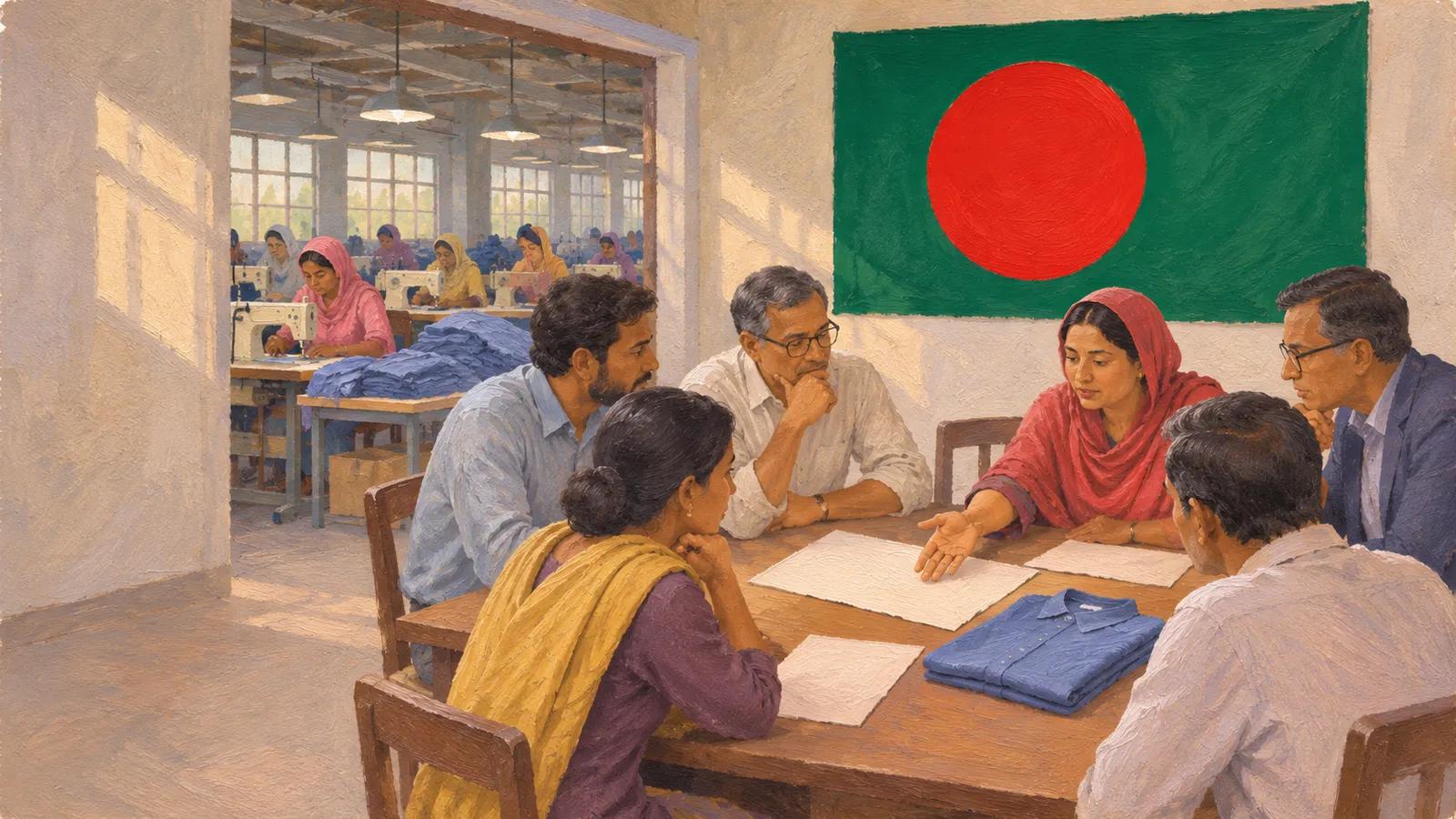
Bangladesh’s wage board agrees on December garment pay revision
The board agreed on 4 November that revised wages would apply from 1 December and first be paid in January, but it has not set an increase; workers demand a monthly minimum of 30,000 taka.
3 min
 Economy
Australia’s new investor housing loan value falls nearly a third in quarter
The value of new investor loans recorded its largest quarterly fall since records began in 2002, while overall new housing lending fell 15% in the September quarter.
3 min


Sources
Show all 7 sourcesShow fewer
- DWSpain: Housing crisis prompts general strike
- France 24Spain’s general strike puts housing crisis at centre of upcoming elections
- BBC BusinessClashes erupt in Barcelona after thousands join Spain general strike
- Al JazeeraSpain braces for nationwide strike as anger over housing, costs boils over
- CNA WorldMillions of Spaniards stage first general strike in 14 years as anger rages over housing
- Guardian WorldMillions join Spain’s first general strike in 14 years in protest at rising housing costs
- Al Jazeera‘I pay $500 for 5 square metres’: Spain’s protesters, in their own words