
Why sporting sanctions can reach beyond those who cheated

Spain’s Paralympic fraud, Russia’s doping scandal and Juventus’s relegation show how penalties can change access to competition, national representation and players’ careers.
Spain’s Paralympic fraud, Russia’s doping scandal and Juventus’s relegation show how penalties can change access to competition, national representation and players’ careers.
After Spain used ineligible players to win basketball gold at the 2000 Paralympics, athletes with intellectual disabilities were excluded from the next two Paralympics. As BBC Sport recounts, the consequences extended far beyond the Spanish squad: a whole category of athletes lost access to the Games.
BBC’s historical review was prompted by its report that an independent commission had found Manchester City’s sponsorship arrangements to be a “sham” used to fuel its Premier League success. The earlier cases illustrate an important distinction: penalties against an individual, a club, a national delegation or an entire competition category can have very different consequences.
At the Sydney Paralympics in 2000, 10 of Spain’s 12 players in basketball for athletes with intellectual disabilities had no intellectual impairment. They were amateur players recruited months before the Games. Spain beat Russia 87–63 in the final to take gold.
One of the ineligible players, journalist Carlos Ribagorda, exposed the fraud in an article after returning from Sydney. Spain’s team was stripped of its medals. But, according to BBC, the scandal also led to the total exclusion of athletes with intellectual disabilities from the 2004 and 2008 Paralympics. That wider decision removed opportunities for athletes around the world, not just members of the fraudulent team.
BBC identifies the McLaren report as exposing a widespread Russian state programme of doping—the use of banned substances to enhance performance. Its account of the 2014 Sochi Winter Olympics describes urine samples containing banned substances being secretly replaced with clean urine frozen before athletes began doping. A method had been developed to open the supposedly tamperproof sample bottles.
The consequences operated at both individual and national levels. Forty-three Russian athletes received lifetime bans, but 28 successfully appealed against the full extent of their punishment. Russia was barred from the following Winter Olympics, held in South Korea in 2018. Athletes who could demonstrate a clean record were nevertheless allowed to compete under a neutral flag, rather than represent Russia.
In BBC’s account of Calciopoli, the Italian football scandal, prosecutors tapped Juventus telephone calls in 2004 while investigating doping. They believed they instead found evidence that general manager Luciano Moggi pressured referee officials to favour clubs, including Juventus. Moggi denied the allegations.
Juventus, AC Milan, Fiorentina, Lazio and Reggina were implicated in influencing referees and received points deductions, reducing their totals in the league standings. Only Juventus ultimately dropped into Serie B, Italy’s second division. The club also lost its 2004–05 and 2005–06 league titles.
The squad split. Zlatan Ibrahimovic and Patrick Vieira joined Inter Milan; Fabio Cannavaro and Emerson moved to Real Madrid. Other leading players, including Gianluigi Buffon, Alessandro del Piero, Giorgio Chiellini, Pavel Nedved and David Trezeguet, stayed to play in Serie B. Despite starting the season with a nine-point penalty, Juventus won promotion at its first attempt. The club-level punishment had changed where its players competed and which teammates remained.
BBC’s account of the 1919 World Series provides a separate distinction. Eight Chicago White Sox players were prosecuted over allegations that they took bribes to lose the series. A criminal court did not convict them, but they were banned from Major League Baseball for life. The sporting decision and the criminal outcome were different; likewise, the successful Russian appeals show why an initial sporting punishment should not be treated as the final outcome.

George Russell says cooling development is outside the spending cap, but still needs staff diverted from other work.
5 min
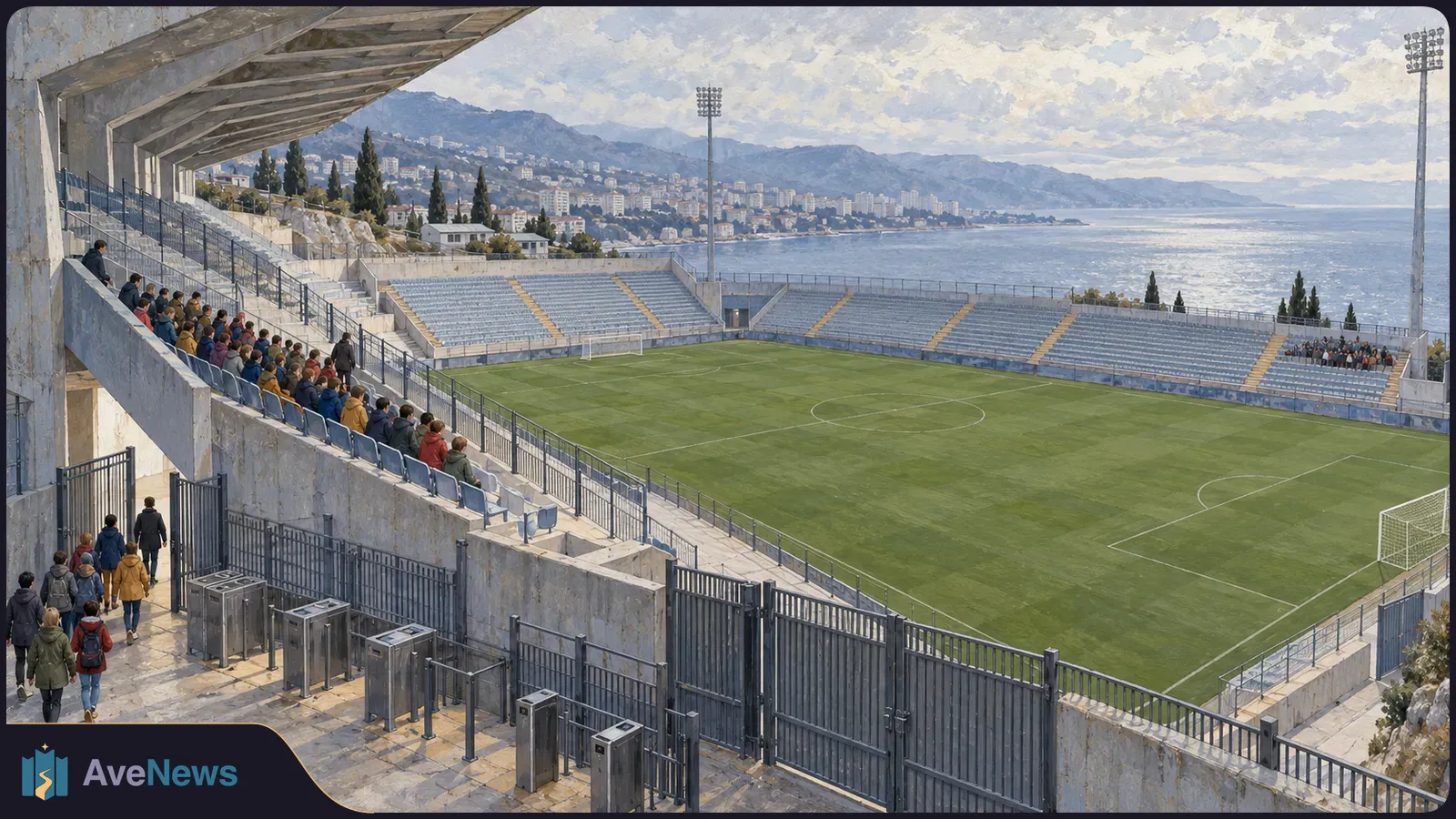
Exceptions allowed accompanied children and 100 England supporters into the 8,279-capacity stadium for a match officially designated as behind closed doors.

ESPN’s first-month assessment shows contrasting starts under new offensive coordinators, with coaching experience, familiar players and a rebuilt blocking unit all part of the picture.
3 min
