
SpaceX catches Starship after orbit, but loses booster

The launch tower caught Ship 42 on 14 November after its return from orbit, a first for the spacecraft. The planned catch of the Super Heavy booster was aborted, and the booster exploded over the Gulf of Mexico. Earlier coverage described an offshore splashdown.
In this article
SpaceX caught its Starship upper stage using mechanical arms on the launch tower at Launch Pad 2 in Texas, completing the company’s first catch of the spacecraft after an orbital flight. The company had previously caught a booster 3 times, but this mission did not achieve its planned recovery of both stages.
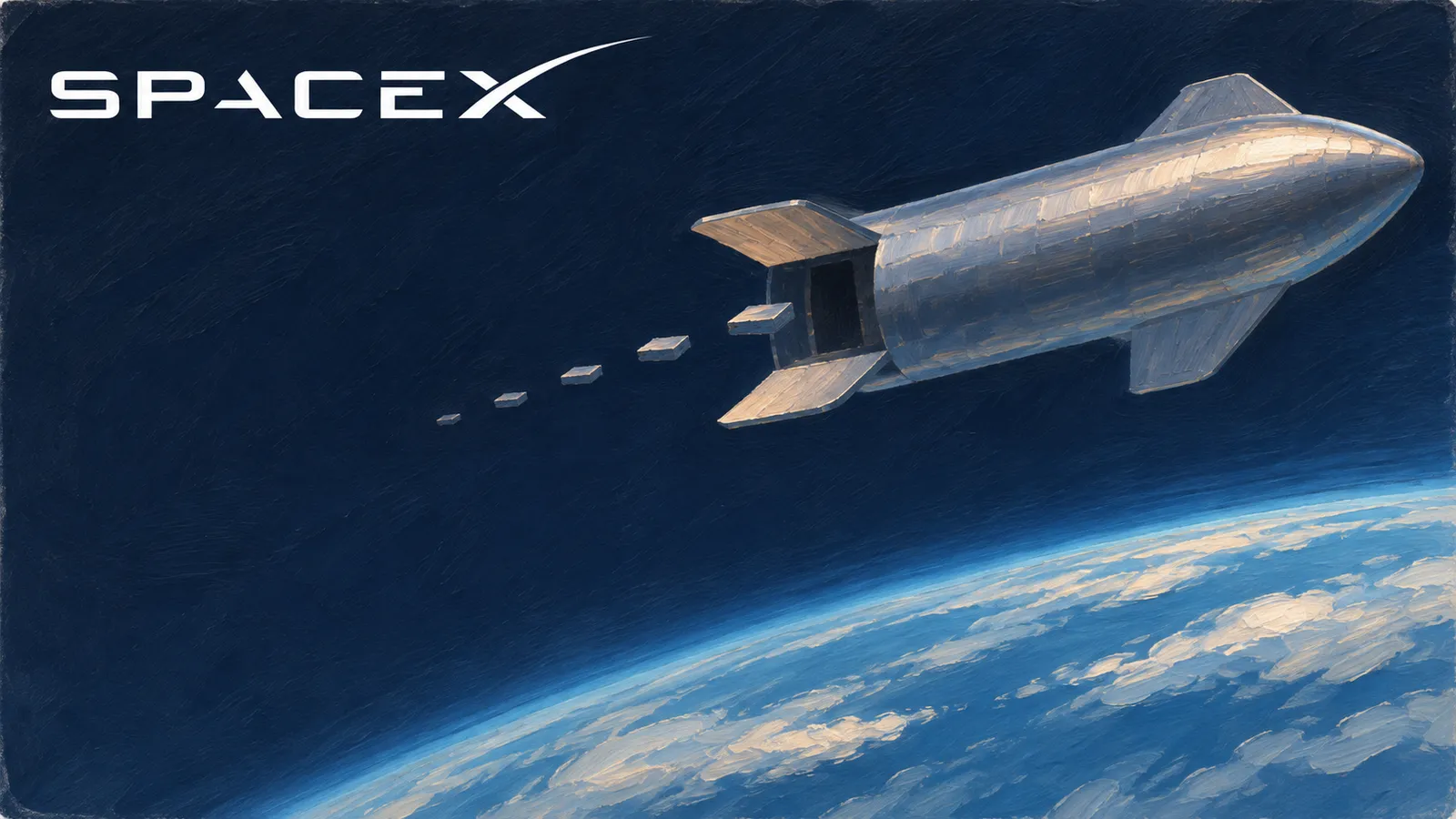
The uncrewed mission launched from Texas on 13 November. Super Heavy lifted the spacecraft before separating from it; the upper stage then completed 14 orbits and deployed 26 Starlink satellites during a flight of about 22 hours.
Booster recovery failed
SpaceX’s Kate Tice said the booster’s engines stopped firing too soon during its descent. Its guidance system detected that it was out of position and automatically sent it away from the tower and initiated self-destruction. Engineers are investigating the cause.
SpaceX officials said the upper-stage catch demonstrated Starship’s full reusability. Catching a stage, however, is distinct from flying it again. SpaceX also said the spacecraft’s systems, including its heat shield, appeared to work well.
This was the 15th full-scale Starship flight since 2023 and its second trip to orbit, the Associated Press said. NASA Administrator Jared Isaacman called the catch “almost magic.”
Moon missions ahead
NASA is paying billions of dollars for Starship to land Artemis astronauts on the moon and help build a permanent lunar base. SpaceX’s Elon Musk wants a fleet of Starships to build a city on Mars.
SpaceX expects to begin Starship launches from Florida’s Kennedy Space Center within the next few months. Artemis III is planned to remain in Earth orbit, where four astronauts will attempt to dock their capsule with Starship and Blue Origin’s Blue Moon. The companies are to take turns delivering crews to the lunar surface; NASA targets the Artemis IV landing for as soon as 2028.
Follow AveNews
 Space
SpaceX’s Ship 42 reaches orbit and deploys 26 satellites
SpaceX diverted the booster offshore after aborting its catch. The company still plans its first catch attempt for the upper stage on 14 November, subject to recovery decisions.
2 min


