
Children left fingerprints on clay art up to 15,000 years old
Researchers published the finding on 11 November 2026, identifying adult and child prints on figurines from what is now Israel. They suggest adults taught children to work the clay, though the prints do not establish that.

In this article
Fingerprints on fragments of ancient clay figurines show that adults and young children handled the material. Archaeologist Laurent Davin and his colleagues suggest that adults taught children to shape and decorate it, but the prints alone do not demonstrate a teaching relationship.
Davin, of the Hebrew University of Jerusalem, said direct evidence of children’s contributions to prehistoric art and culture has been difficult to find. The team published its finding in PLOS One; Science News covered the research.
What the fingerprints reveal
The team had not set out to find Stone Age children’s artwork. It was investigating whether the Natufians, hunter-gatherers who formed some of the Levant’s first permanent settlements about 14,000 years ago, made clay art before agriculture arrived in the region. While sorting 40 kilograms of clay from three Natufian sites dating from 15,000 to 11,600 years ago, the researchers found fingerprints.
Among tens of thousands of clay lumps were about 150 sculpture fragments, including 15 recognizable figures of birds, gazelles and humans. Around 60 pieces preserved fingerprints where people had pinched or prodded the clay.
The researchers used the distances between fingerprint ridges, which are influenced by age and sex, to infer that women and children made most of the figurines. Some children were younger than 10; only a few sets of prints were attributed to men.
One 14,500-year-old human figurine’s torso bears both adult and child prints. Their presence together suggests the two may have passed the clay back and forth, and Davin suspects the adult taught the child how to work it.
Analysis
How the figurines may have been used
Steven Dorland, an archaeologist at Grand Valley State University who has studied children’s fingerprints on pottery and used pottery to understand social learning in Indigenous societies of the Great Lakes region, sees the finding as evidence of learning between generations. He said it shows what researchers can learn by looking beyond adult males.
The figurines’ purpose remains unclear. Most are less than 2 centimeters long and show no signs of intense use, which the team says suggests they were not treated as precious heirlooms. Davin speculates that they represented stories and that children may have been learning those stories rather than necessarily learning to make figurines.
Earlier in Science
 Earth
Turkey’s energy plan aims for independence by 2040, HRW says
Human Rights Watch says the plan announced on 5 November aims to expand electrification and renewable investment but sets no concrete target for phasing out fossil fuels.
3 min
 Space
Independent analysis largely supports first black-hole image
Researchers using a different way to combine telescope measurements largely corroborate the original image of the shadow of M87*, a supermassive black hole.
2 min
 Earth
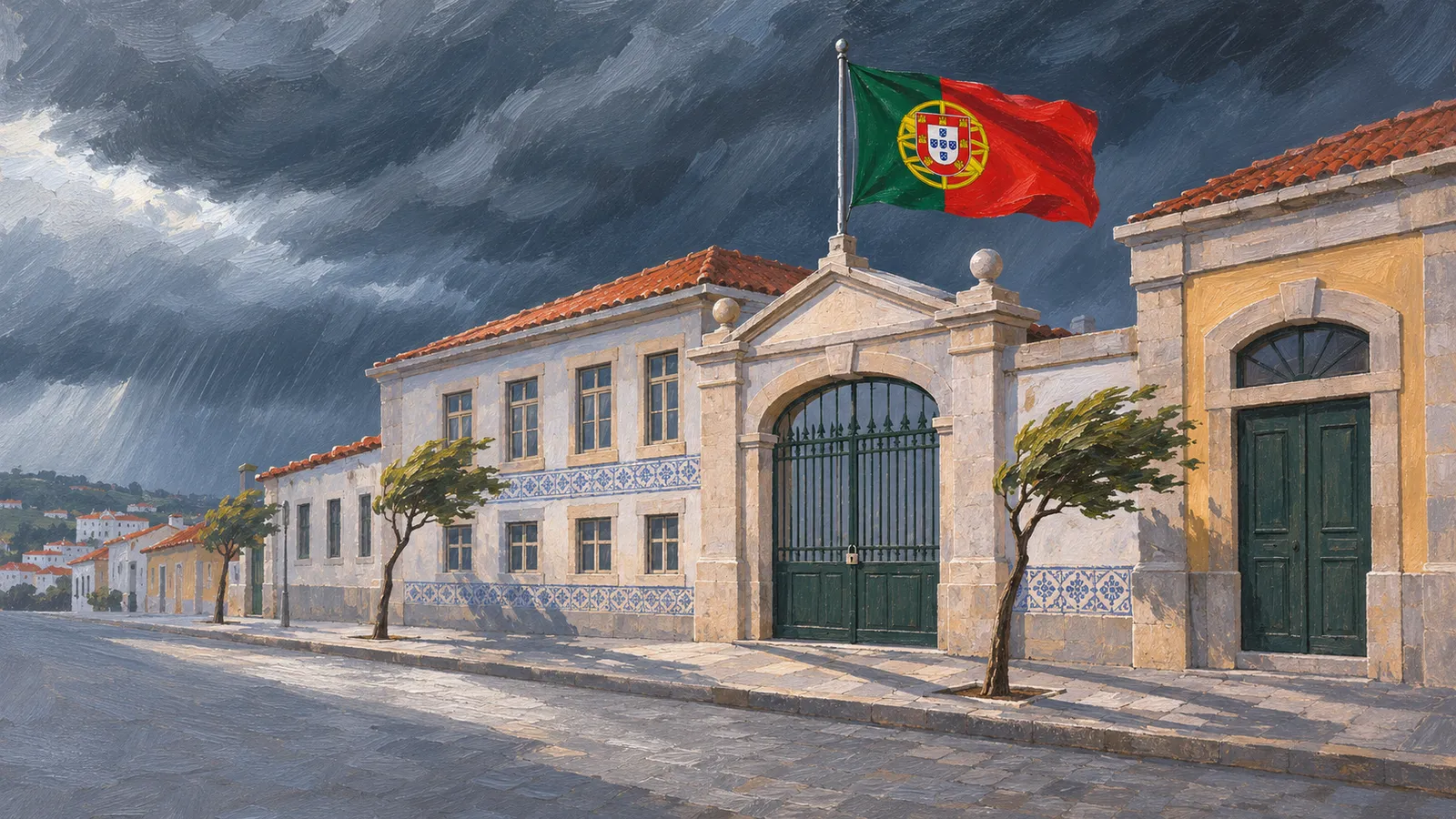
Portugal closes schools and public services as Storm Charles nears
The government told people to stay home as the storm approached. Airlines canceled more than 300 flights, and Web Summit canceled its second day in Lisbon on government advice.
3 min


