Loading… Բեռնվում է…
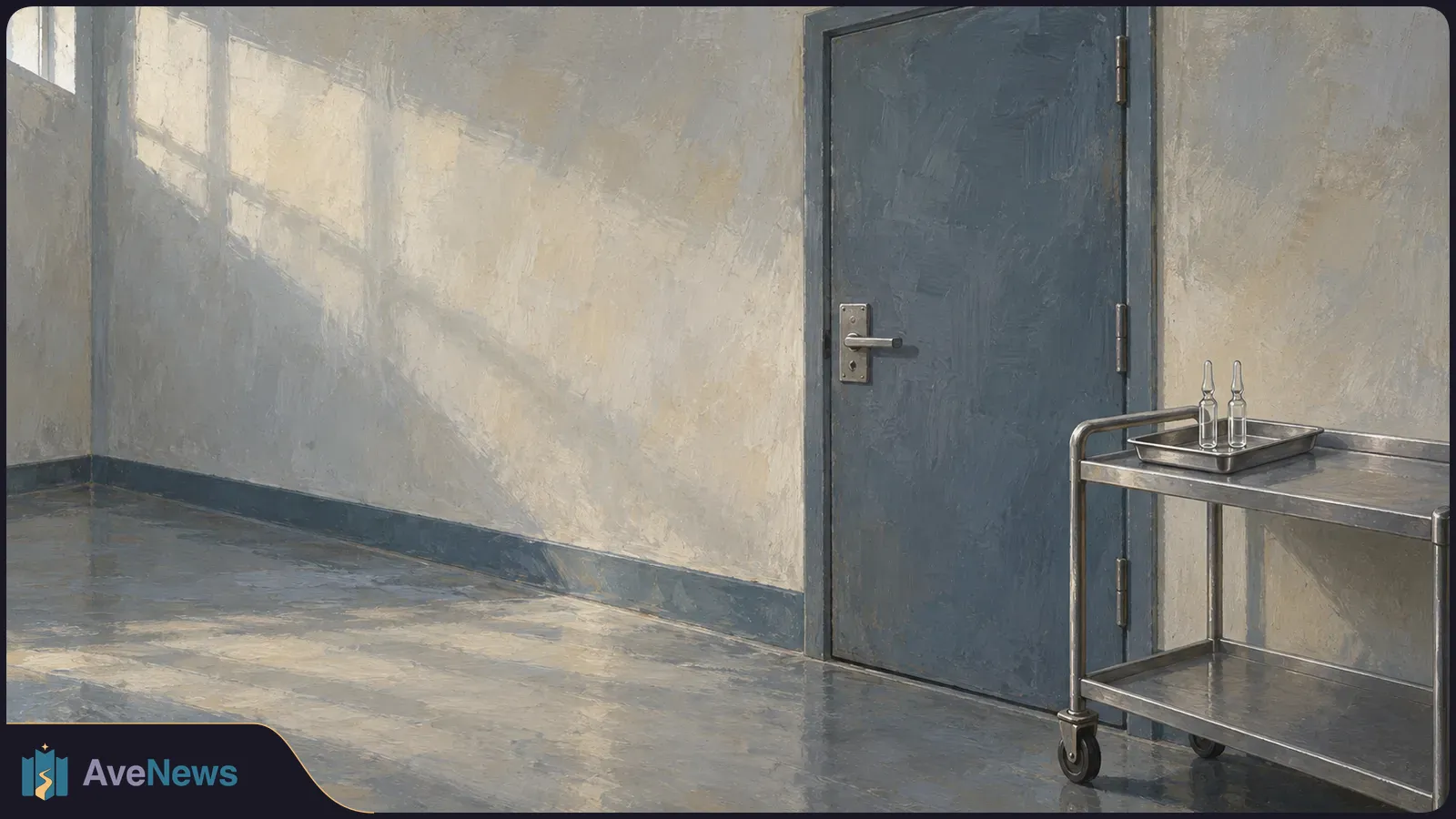
Her attorneys say she continues receiving medical care after surviving Tennessee’s lethal-injection attempt on 30 September.
Christa Pike returned from hospital to the Debra K. Johnson Rehabilitation Center, Tennessee’s women’s prison, for continuing medical care, her attorneys said on 10 October. A newly disclosed declaration from her lawyer Randy Spivey describes repeated concerns about finding a vein before the execution team proceeded with the lethal injection, the Guardian reported on 22 October.
Pike, 50, survived two doses of pentobarbital, a sedative used as the execution drug, during Tennessee’s attempt to execute her on 30 September. She was convicted of murder for the 1995 beating and stabbing death of her classmate Colleen Slemmer.
Spivey personally witnessed the procedure inside the death chamber. According to the Guardian’s account of his declaration, the team used up to 10 needles while trying to establish an intravenous line—a tube that delivers drugs into a vein. The search began at 6:35 p.m. and ended at 7:24 p.m.
Spivey recorded one team member warning at 6:53 p.m. that the vein might be “blowing”, and repeating the concern at 6:57 p.m. Two members inspected and poked the insertion site, both saying they could not tell whether they had found the vein. The team briefly believed it had established a working line, but resumed work; a needle removed from Pike’s left arm appeared severely bent, Spivey said.
At 7:08 p.m., a team member called for the group to reconsider its approach. At 7:13 p.m., the member told Pike they had established access. The team left the chamber at 7:24 p.m., believing the line was ready. Spivey recorded Pike crying out at 7:34 p.m. that her arm felt as though it would burst and was burning.

The figures also show 25–34-year-olds becoming the age group most likely to vape, while adult cigarette smoking declined across the UK.
Pike’s attorneys said she had been housed at the prison for 30 years. Their 10 October statement thanked first responders and her medical team and said the lawyers would continue tracking her recovery. They had not expected her to survive while she was on a ventilator, a machine that supports breathing, but later said she had awakened, begun talking and started walking with assistance.
Her lawyers said she was in critical condition at a Nashville hospital on 1 October. Their 2 October emergency filing in Davidson County Chancery Court described her as unconscious, on a ventilator and intubated, meaning a breathing tube had been inserted.
BBC World Service reported on 6 October that she had regained consciousness. Her lawyers said that day that she was “conscious and speaking” but still receiving critical medical care. Public Radio of Armenia reported on 7 October, citing the BBC, that she remained handcuffed in hospital after days unconscious while medical staff cleared the injected chemical from her body. The Guardian reported on 22 October that her long-term prognosis remained unknown.
A KFF Health News account published on 6 October came from a WPLN reporter who was one of seven media witnesses. Fortune’s 10 October report described Pike raising her head about five minutes into the procedure and saying her arm hurt. Witnesses later heard her breathing heavily before they were escorted out nearly 90 minutes into the attempt. She left the chamber in an ambulance.
Staff signal that drug administration is complete by placing a rock on a small platform, starting a five-minute wait before a doctor checks for death. The first rock appeared at 7:41 p.m.; Pike was still speaking quietly at 7:44 p.m., the WPLN reporter observed.
Tennessee’s protocol permits a second round of pentobarbital as a backup. The reporter heard Pike continue snoring after the second completion signal. Witnesses also heard her snoring for nearly 40 minutes after the curtain closed at 8:16 p.m. The account said the protocol does not address what happens if the second round also fails to kill the prisoner.
In their 2 October filing, Pike’s lawyers alleged that the intravenous lines were incorrectly placed or that her veins had failed. They alleged that pentobarbital entered her body wholly or partly outside her veins and said both arms were swollen, burned and blistered when she reached hospital. These were the lawyers’ allegations, not observations by media witnesses.
Fortune reported on 10 October that medical and lethal-injection experts were examining whether a problem with the line caused the drug to collect in tissue rather than enter the bloodstream. The Guardian described a burst vein as one possible explanation: it could have diverted pentobarbital into Pike’s arm tissue. Spivey’s account documents concerns about the vein, but the medical cause remains unresolved. The Tennessee Department of Correction has not said what went wrong.
The curtain conceals staff during line insertion to shield their identities as state law requires, the KFF Health News account explained. It opens only after the lines are placed, so the reporter witnessed Pike’s speech and breathing but not the insertion process that Spivey described.
WPLN, the reporter’s employer and a Nashville public radio station, is among the media organizations challenging that concealment. A lower court ruled for the media plaintiffs in January 2026, but Tennessee appealed. The order remains on hold while higher courts consider whether media witnesses may observe line insertion.
Tennessee had already halted an attempt to execute Tony Carruthers on 21 May after staff failed to establish complete intravenous access for more than 30 minutes. Governor Bill Lee stopped that attempt before the curtain separating the chamber from witnesses opened.
After Pike’s failed execution, Lee announced that Tennessee would suspend lethal injections for the rest of 2026. Fortune reported on 10 October that he had postponed the state’s only other scheduled execution that year and ordered a review. The state’s prison chief also resigned following the failed attempt.
Spivey’s declaration accompanies a new motion on behalf of Carruthers and other death-row prisoners. Their lawyers argue that the failed attempts support warnings in their March 2025 complaint that inadequate training and care in administering pentobarbital could cause a torturous death and violate constitutional protections against cruel and unusual punishment.
The lawyers are asking Davidson County Chancery Court for permission to file a supplemental complaint challenging Tennessee’s lethal-injection protocol. The motion seeks that permission; it is not a ruling on whether the procedure is lawful.
2 min

The programme’s first satellite launch is planned for late 2028 or early 2029, unless exceptional events disrupt the schedule.
2 min

A study of 58 fragments found local clay combined with northern pottery-making techniques, helping distinguish imported vessels from locally made ones.
3 min




