30 countries pursue fossil-fuel treaty outside UN process

The bloc announced its size at COP31 as governments sought a separate route to address coal, oil and gas. A treaty remains a proposal, with negotiations and ratification still ahead.
Situation: COP31 climate summit
A bloc of 30 countries has signed up to develop a proposed fossil-fuel treaty separate from the UN process, The Guardian said after the count was announced at COP31.
The announcement follows an April 2026 meeting in Santa Marta, Colombia, where countries in the treaty discussions called for formal negotiations on a binding agreement before a broader conference on moving away from fossil fuels.
The Fossil Fuel Non-Proliferation Treaty Initiative says its proposal seeks to end new fossil-fuel development, phase out existing production and support workers, communities and countries that depend on fossil fuels. Its government-led bloc is separate from its networks of non-state supporters and Indigenous peoples. The initiative says statements by non-state representatives do not represent the positions of governments in the bloc, or vice versa.
The initiative says governments want a separate process because UN climate meetings operate by consensus, allowing a single country to block action, and because they want to develop financial and legal mechanisms for the transition. It says a formal negotiating mandate, negotiations and ratification are still to come.
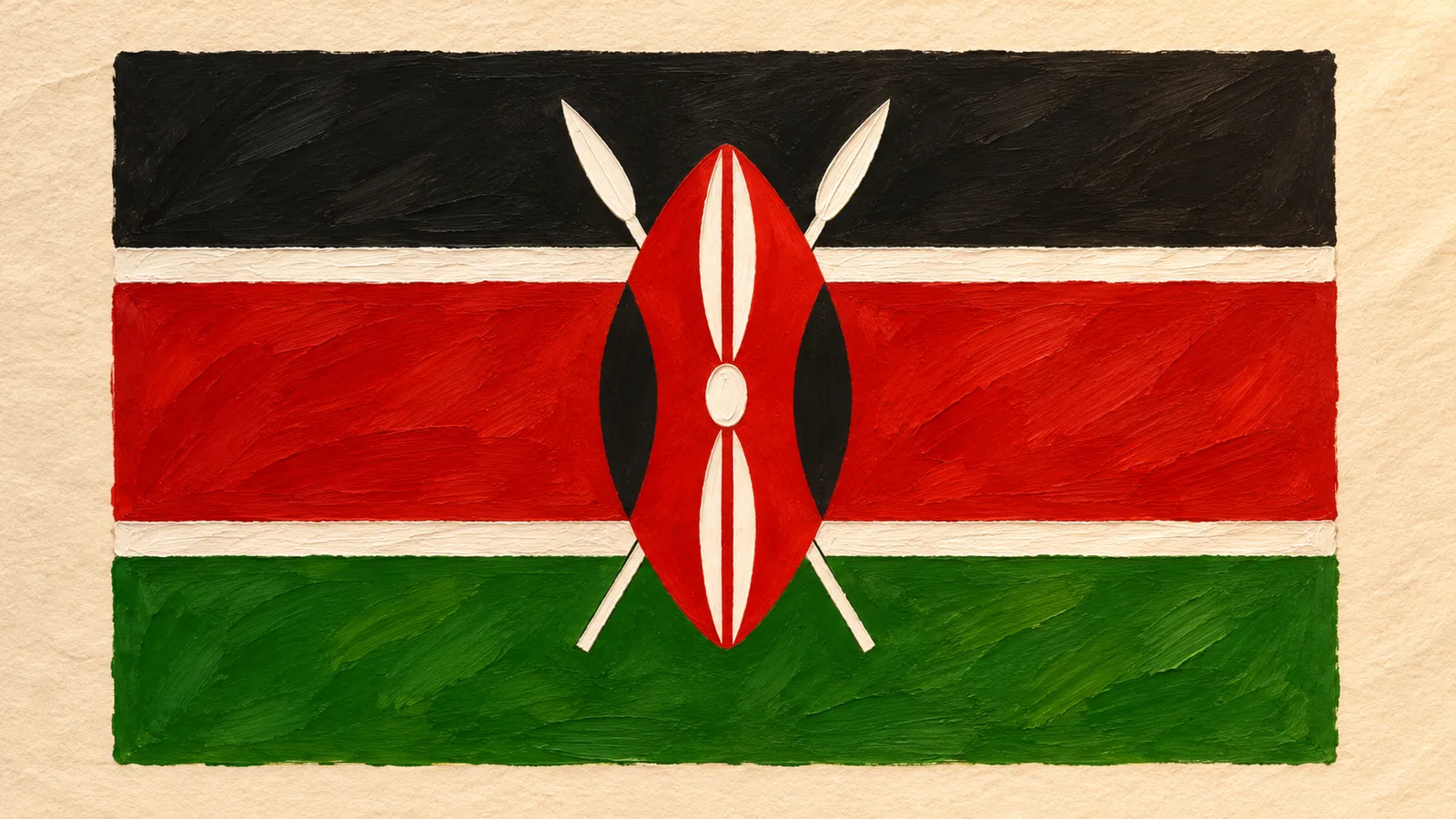
The initiative names Saint Vincent and the Grenadines, , , , and among the latest to join. It does not say when each joined.

The November 19 text drops calls to transition away from coal, oil and gas and accelerate their phaseout, while retaining a global electrification target. Countries must still agree on the draft.
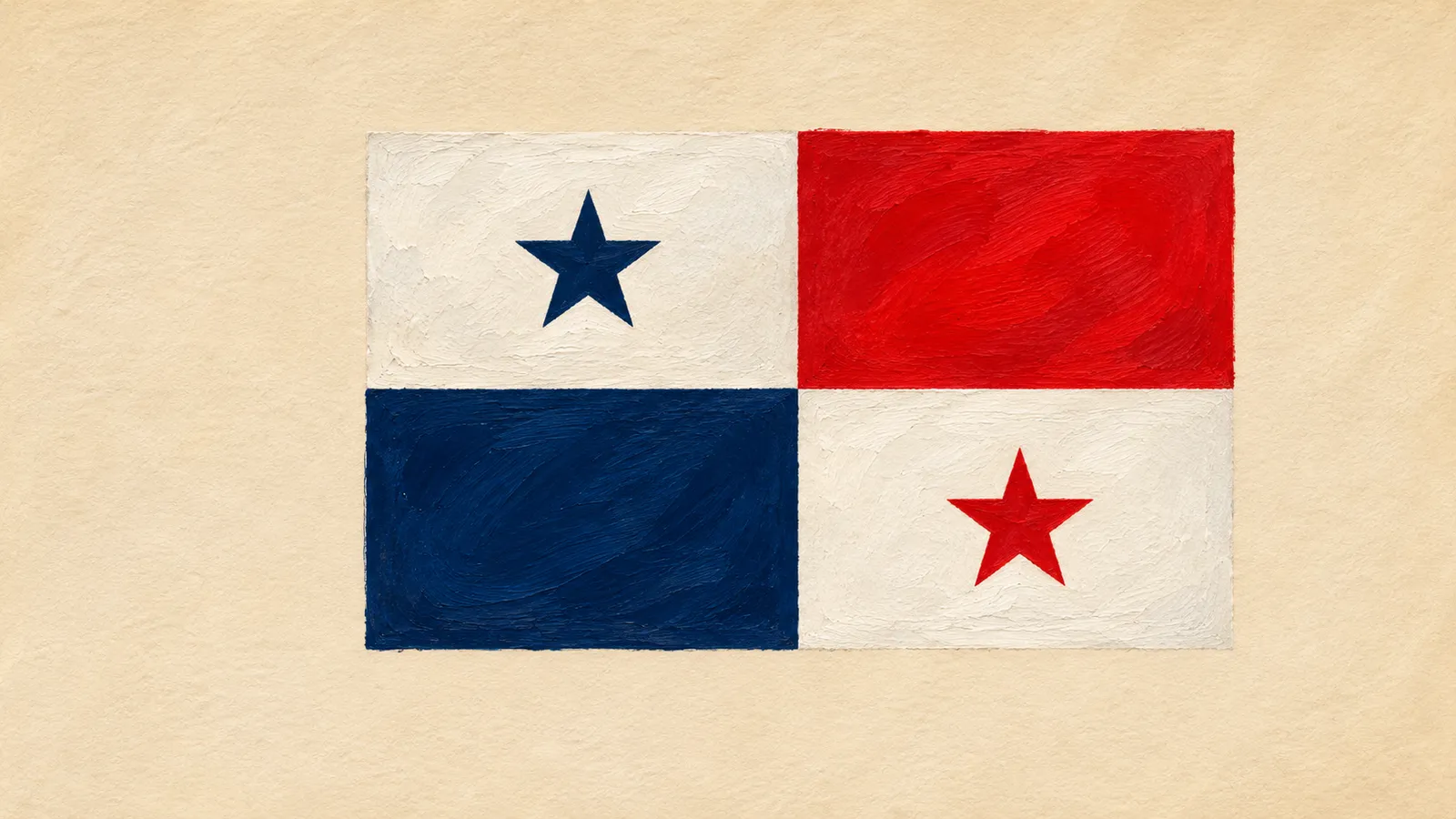
At the COP31 event, Panama’s environment minister, Juan Carlos Navarro, described the world as being held hostage by the petroleum industry and called for urgent action. “I call for radical change,” he said.
Guatemala’s environment minister, Edwin Castellanos, said an orderly transition requires fair rules, predictability, debt relief and technology transfer. Tuvalu’s environment minister, Maina Vakafua Talia, said the treaty effort and other international initiatives should reinforce the Paris Agreement. He said different approaches can clarify legal obligations, strengthen accountability and facilitate cooperation on an orderly, just and equitable transition.
The initiative says the idea for the broader Santa Marta process grew out of discussions among countries involved in the treaty effort, and describes the process as parallel and complementary to the UN climate framework. Ministers plan to continue discussions through that process and at a conference in Tuvalu in July 2027, hosted by Tuvalu and Ireland.

3 min

The voluntary Antalya pledge calls for cleaner power and more efficient energy and cooling-water use at data centers, alongside the use of superintelligence (SI) for climate action.
2 min

The negotiating text also calls for a fossil-fuel phase-out and electricity to supply 35% of global final energy by 2035. Countries have not agreed to the proposals.
3 min