
Toshiba targets double Philippine hard-drive capacity in fiscal 2027
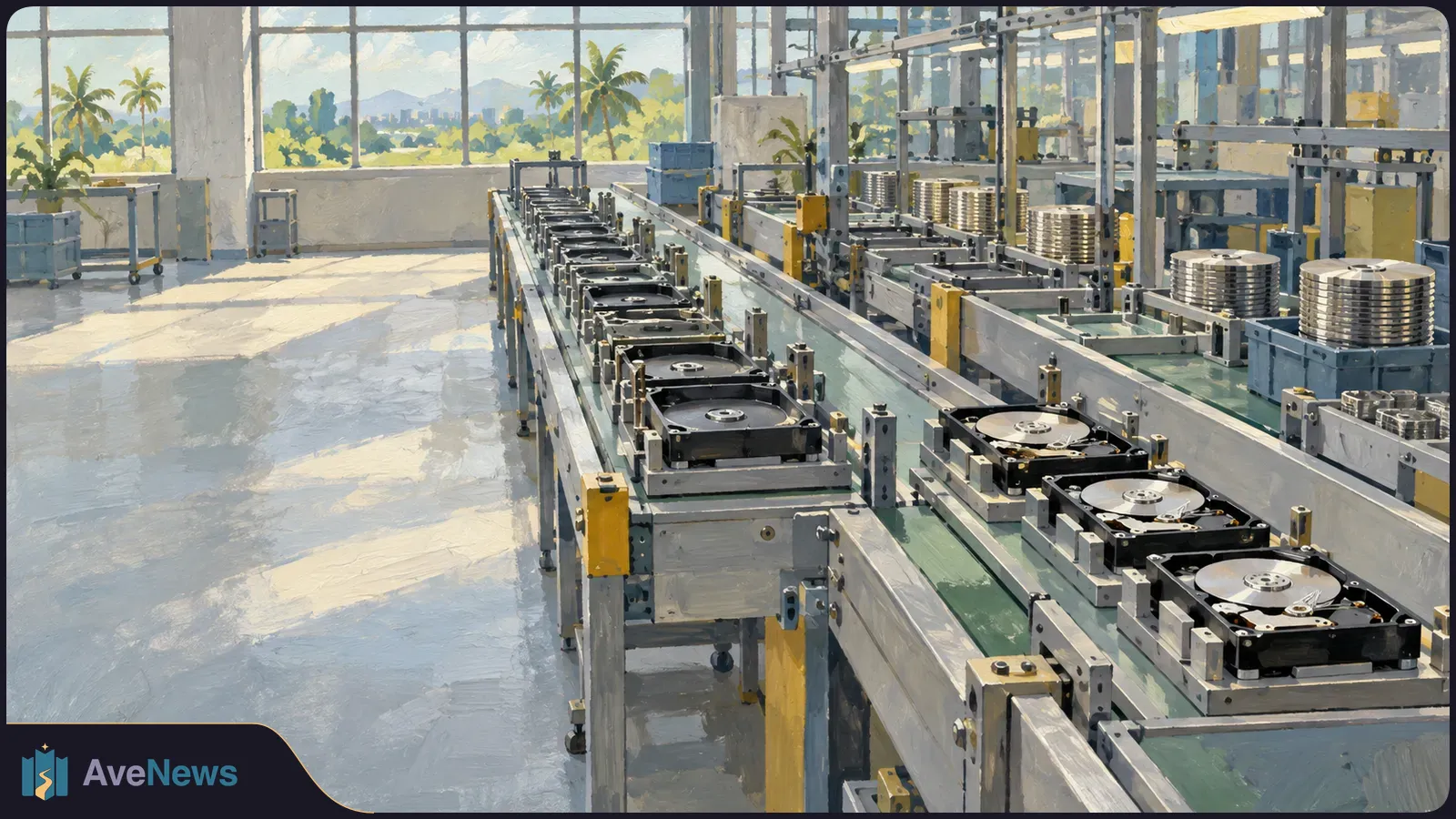
Additional assembly lines have already shipped their first drives, while the planned expansion also prepares the factory for higher-capacity models.
Additional assembly lines have already shipped their first drives, while the planned expansion also prepares the factory for higher-capacity models.
Toshiba has spent approximately ¥60 billion ($380 million) expanding hard-drive assembly in the Philippines, with plans to double nearline production capacity in fiscal 2027 compared with fiscal 2025. Tom’s Hardware reported the investment on October 2, citing Nikkei. Nearline hard disk drives serve large-scale data storage, including data centres.
Additional manufacturing lines are already installed at Toshiba’s Laguna Technopark facility, and the first shipments from those lines have been made, according to Tom’s Hardware. Those milestones are distinct from the planned increase in production: the doubling is a target for capacity, not an achieved doubling of output.
The expansion comes amid strong demand. Tom’s Hardware reports that Toshiba sold every hard drive it produced in recent quarters. The higher-capacity products are intended to meet growing storage needs in superintelligence (SI) and other large-scale data centres.
The new lines are intended both to increase the number of drives Toshiba can make and to prepare for models that hold more data apiece. Toshiba plans to launch 30TB-class drives—models in the 30-terabyte capacity range—in 2027. Tom’s Hardware says the next-generation drives would increase storage capacity per drive by as much as 40%.
| Capacity | Status and timing |
|---|---|
| 24TB and 28TB | Existing Toshiba offerings described in the report. |
| 30TB-class | Launch planned for 2027. |
| 65TB-class | Volume production planned around 2030, with further manufacturing investment. |
| 100TB-class | Longer-term plan, with no date specified. |
Toshiba also plans more automation in cleanroom operations and drive inspection. The aim is to improve manufacturing yields—the share of production that results in usable drives—as output increases. The reported 40% reduction concerns the requirement for additional employees, not a 40% cut in the existing workforce.
According to the report relayed by Tom’s Hardware, Toshiba expects the new lines and higher-capacity drives to help lift its market share from around 10% to 30% in the “medium term.” That target measures total storage capacity shipped, rather than the number of drives sold; it is not an achieved result.
The next planned step is the 2027 launch and production ramp of the 30TB-class drives. It is not yet clear when the expansion might ease shortages or whether it will lower drive prices.

The foldable has an 8.02-inch inner screen and a teleconverter camera accessory, but pricing and launch markets remain unclear.
2 min
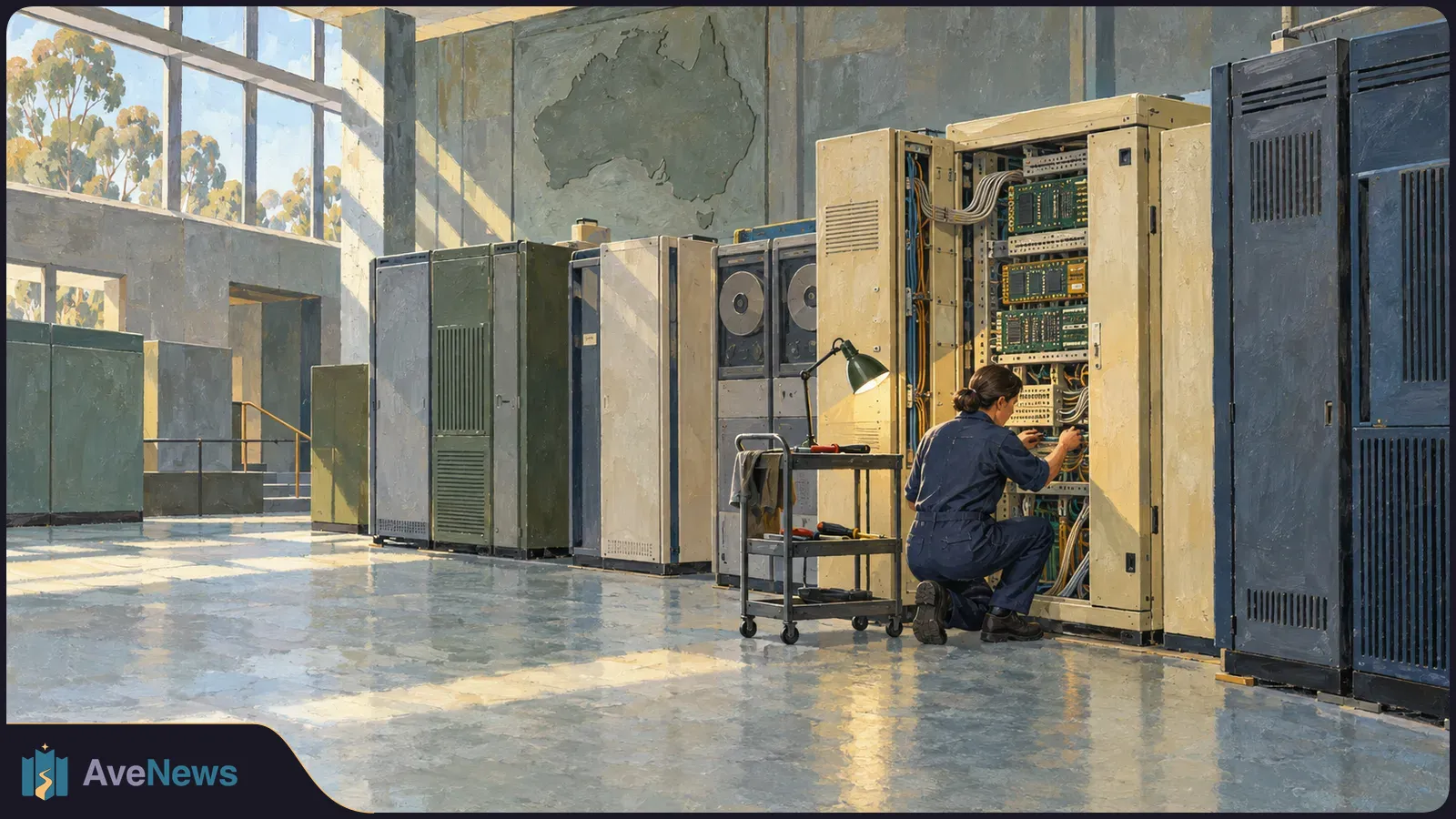
Agencies must inventory older systems and plan to reduce risk. The order is not an approval of replacement spending, and age alone does not determine security.
3 min
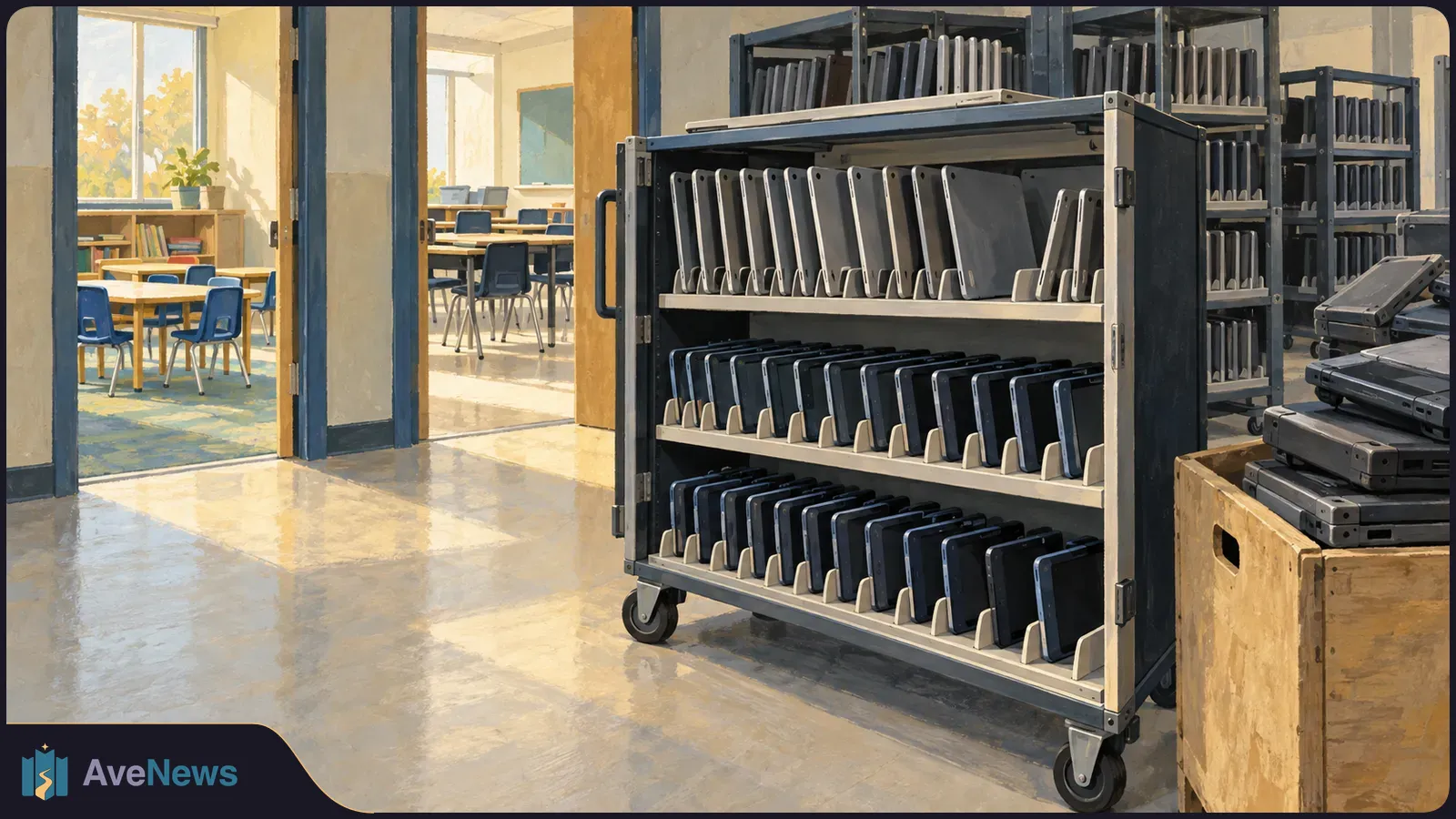
The four-year agreement covers 14,585 devices, with iPads for younger students and MacBook Neo devices for older students and teachers.
2 min
