European football body seeks governance and funding reforms

UEFA’s request to FIFA covers the division of institutional powers, stronger ethics and audits, and protected funding rights for national associations.
UEFA, European football’s governing body, formally asked FIFA, the world governing body, to reform its governance and protect national associations’ funding on 8 October, ESPN reported. Further questions reproduced by Inside World Football on 22 October ask whether FIFA president Gianni Infantino would have gained a position or financial benefit from a withdrawn investment plan, and how arrangements linked to US President Donald Trump were approved.
The dispute follows FIFA Forward Enterprise (FFE), a plan that emerged in July for private investment in a company managing FIFA tournaments’ commercial interests, including the men’s and women’s World Cups. The proposed transaction involved 20% of FIFA’s commercial rights; it was withdrawn, not completed. UEFA said it had lost confidence in Infantino over his handling of the plan and announced in August that it would seek a credible challenger to him.
In the questions reproduced by Inside World Football on 22 October, UEFA asks whether Infantino would have held or expected any position in FFE or a related entity, either during or after his FIFA presidency, had the proposal proceeded. It also asks whether he would have had any direct or indirect financial interest, ownership stake, entitlement to payment or other economic benefit from FFE. These are requests for disclosure, not findings that such a role or interest existed.

UEFA also raises concerns about potential conflicts of interest involving Infantino, Trump and people associated with Trump. It requests explanations of how the arrangements and interventions it identifies were decided, how potential conflicts were identified and managed, their financial implications for FIFA, and whether the responsible FIFA bodies were informed or consulted.
Among those arrangements, UEFA identifies the proposed agreement with Thrive Capital, led by Joshua Kushner, whom it describes as a member of Trump’s family. UEFA’s list also says the FIFA Peace Prize was not submitted to the FIFA council for approval. It questions a reported seven-year lease of about $4 million for offices in Trump Tower, including how much FIFA pays for the premises.
The questions reproduced by Inside World Football on 20 October ask FIFA to confirm FFE’s proposed $20 billion equity valuation—the value of its ownership shares after outside investment. UEFA requests the investment amount, the ownership share offered in return, and valuation reports and supporting analyses prepared in 2018 and 2026, including the names of the firms that prepared or reviewed them. It also asks for the assumptions behind proposed lead investor Thrive Capital’s investment and eventual exit—how it might sell or otherwise leave the investment.
The funding question concerns what national football associations would receive and what they would have to agree to in return. UEFA says that, after FFE’s withdrawal, FIFA proposed increasing funding to $25 million per member association from its own reserves. It asks why increased funding had been linked to outside investment rather than FIFA’s existing resources, and why the reserves-funded alternative was not considered earlier.
The reproduced questions record FIFA’s explanation that exceptional financial results from the 2026 World Cup made its new funding proposal possible. UEFA asks what changed between developing FFE and deciding, shortly after its withdrawal, to use reserves for substantially larger payments to associations.
UEFA also requests the revenue projections and financial and commercial assumptions supporting the larger payments envisaged under FFE. It asks whether those forecasts depended on creating or expanding competitions, changing their format or frequency, adding events in particular markets, or otherwise changing FIFA’s calendar or commercial activities. These are questions about the proposal’s assumptions, not announcements of competition changes.
For an investigation of the FFE process, UEFA proposes safeguards intended to keep those being scrutinised from controlling the inquiry. Investigators would examine Infantino’s role and communications, have full access to relevant evidence and report directly to the FIFA council. Anyone whose conduct fell within the investigation would not control the investigators’ appointment or the rules defining their work.
UEFA distinguishes that requested investigation from FIFA’s proposed independent review of its governance framework. It says a review aimed at future rules could be welcome but cannot replace an independent examination of past decisions and conduct.
UEFA general secretary Theodore Theodoridis sent the 19 October letter to his FIFA counterpart, Mattias Grafström. The Guardian’s 19 October report described an accompanying eight-page document containing more than 50 questions about decisions over a 12-month period. UEFA requests supporting documents and an individual explanation for any refusal to disclose information.
At the 15 October FIFA council meeting in Zurich, Infantino listened to questions but declined to provide substantive answers, according to the Guardian. He asked members to submit questions in writing before the next meeting in Doha on 16 December. Theodoridis’s letter says fundamental questions remain inadequately answered and requested documents have not been provided. UEFA argues that scrutiny of past decisions cannot wait for that meeting or be replaced by future reforms.
UEFA also queried a Times report alleging that Infantino received substantial additional remuneration in 2024 that FIFA’s annual report did not disclose. FIFA said it “does not pay a second salary to the Fifa president and complies with all reporting requirements in relation to compensation”.
The 8 October proposals seek a separation of powers—dividing authority within FIFA—and stronger ethics safeguards and audits, which are formal checks of finances or operations. UEFA also wants FIFA Forward funding to become a protected right for member associations. These are requested changes, not adopted FIFA rules. UEFA’s statement said its national associations wanted new FIFA leadership and did not consider institutional reform alone sufficient.
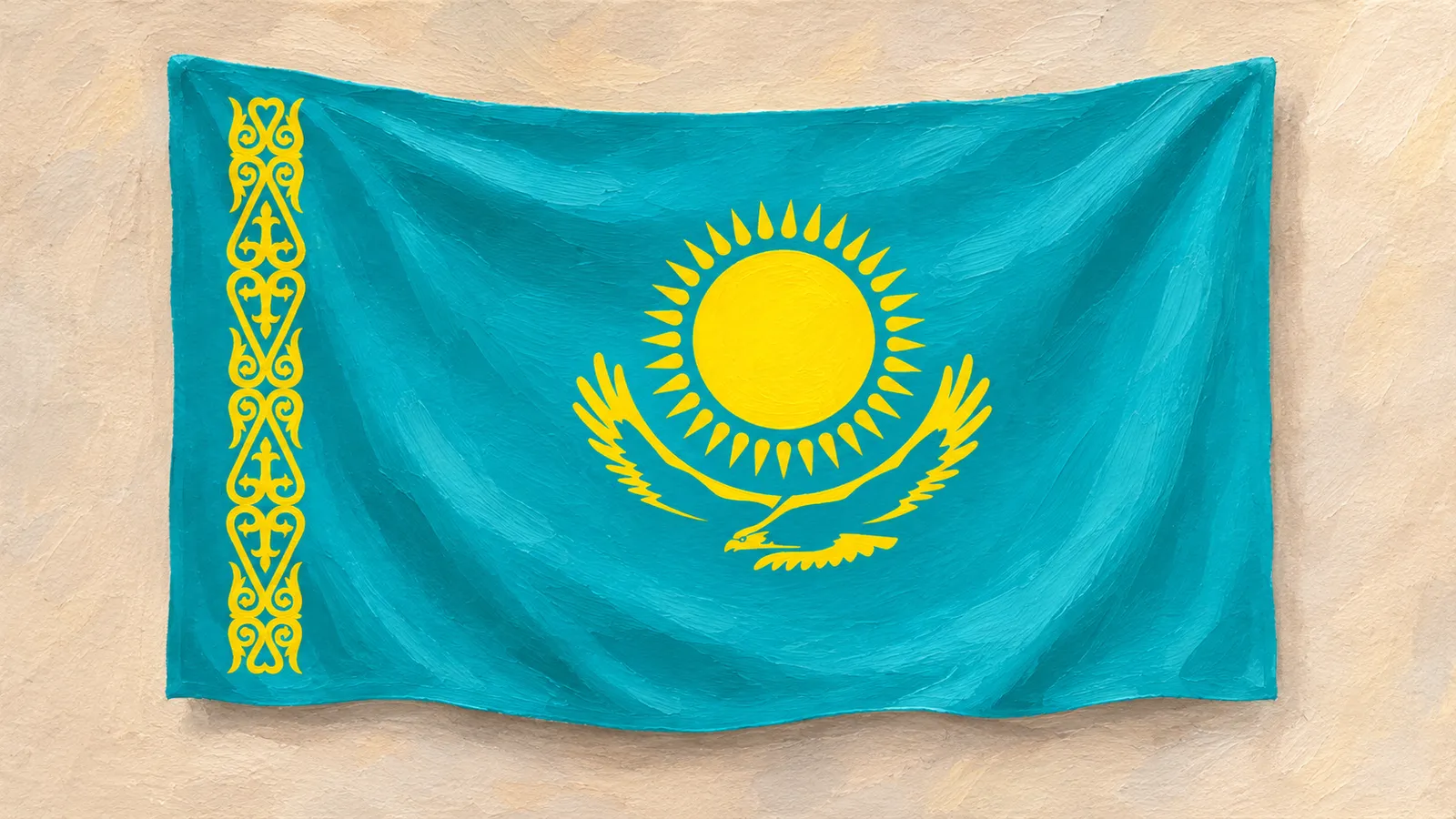
Separately, UEFA confirmed on 8 October that its president, Aleksander Čeferin, would seek a fourth and final term at the 22 April 2027 election in Astana, Kazakhstan. First elected in 2016, he told association leaders at the 8 October meeting in Berlin that he intended to serve through 2031. Changes to term limits approved at UEFA’s 2024 Congress in Paris made him eligible; his candidacy reverses his subsequent statement that he would leave when his third term ended in 2027.
UEFA had not settled on a challenger to Infantino at the Berlin meeting. On 19 October, the Guardian reported that Infantino was on course to stand unopposed, while UEFA was increasingly hopeful of finding an opponent. Nominations close on 18 November for the FIFA presidential election scheduled for 18 March 2027 in Rabat.
UEFA requests substantive written answers to each question, with supporting documents, by 2 November—before the FIFA council meets in Doha on 16 December.
Advertised 2027 prices rise at Edgbaston, Wimbledon and Silverstone, while watching all matches across the Premier League, Champions League and Scottish Premiership requires four paid services.
4 min

The championships ended on 11 October in Budva, Montenegro, with medals awarded in 13 boys’ and 13 girls’ weight classes.
3 min

Points accumulated across elimination rounds and a final relay disqualification gave Stanford the win, although Cal won more events.
3 min