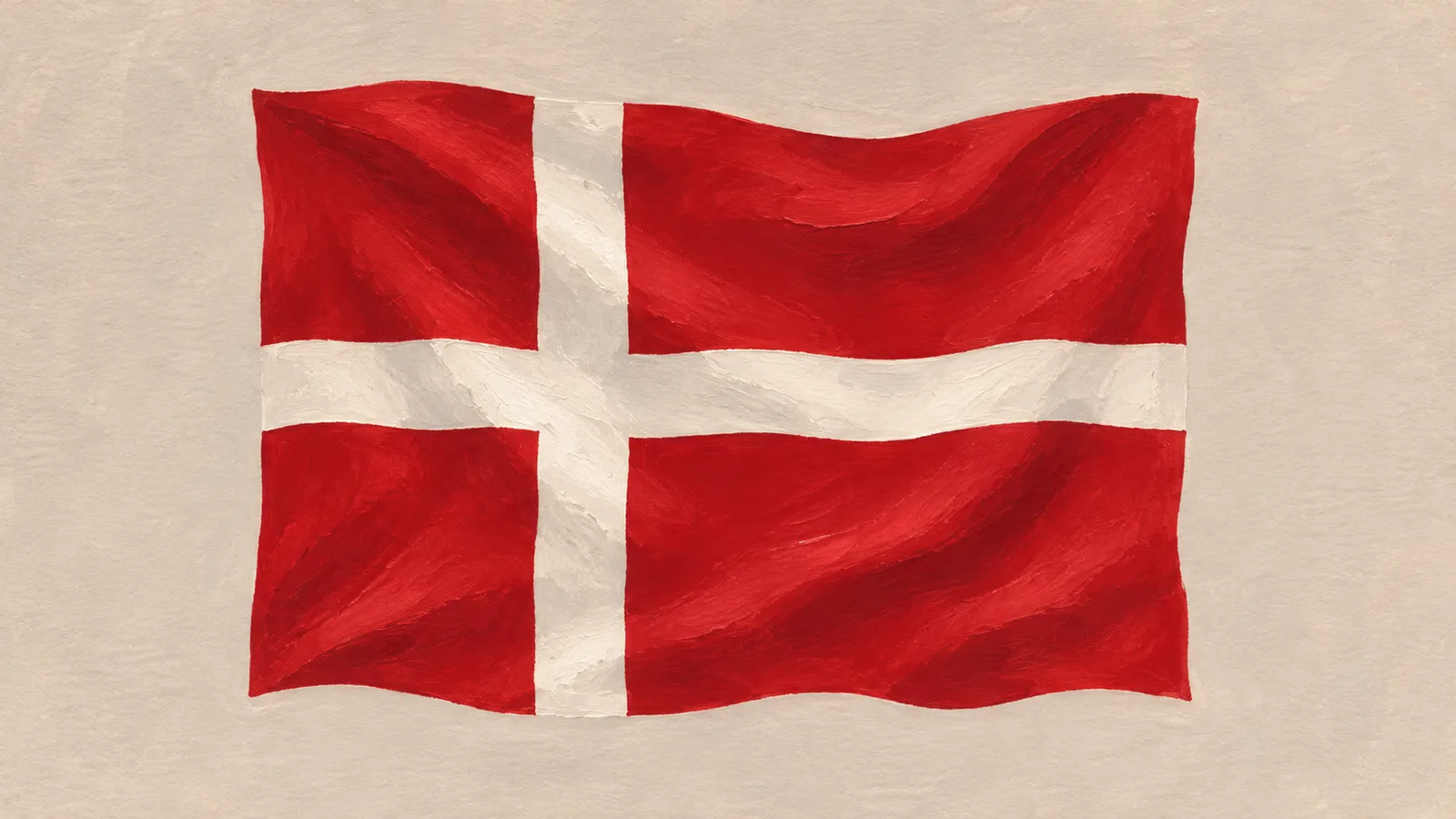
UK and EU agree to discuss returns of refused asylum seekers

Negotiators have agreed to open talks on sending people whose asylum claims have been refused to third-country hubs. A draft statement is expected to be signed at the Brussels summit.
UK and EU negotiators have agreed to open their first dialogue on returns to third countries, informed sources told the Guardian. A leaked draft joint statement proposes structured talks that would include sending people whose asylum claims have been refused to hubs in a third country.
The draft has not been signed and does not establish a shared hub or authorize transfers. The talks would follow the strategic partnership the UK and EU agreed at their first summit in London on 19 May 2025. The UK government says leaders will review progress and seek practical next steps at the Brussels summit.
In May 2026, the UK and 45 other Council of Europe countries signed a political declaration endorsing plans for third-country hubs. The European Commission’s Channel Action Plan followed in June 2026, proposing cooperation with the UK on migration diplomacy, smuggling networks and border management. The commission says the route involves deaths at sea, pressure on border control and reception capacity, unauthorized movement and organized smuggling.
UK Prime Minister Andy Burnham said the public wants the government to address illegal immigration. The Home Office says it supports the principle of returns hubs and is exploring the approach.
The UK has been seeking a deal with an unnamed third country, according to the Guardian. Article 3 of the UN Convention against Torture also prohibits returning a person to a state where substantial grounds exist for believing that person would face torture.
The UK–EU dialogue is separate from an agreement in principle that Austria, Denmark, Germany, Greece and the Netherlands announced with Rwanda for a return hub in 2027. The Home Office says the UK is not part of that initiative.
The Guardian says the UK has sought a deal with an unnamed third country. Armenia was among 11 countries mentioned in earlier discussions; the newspaper did not identify it as the current prospective host. Albania has ruled out a bilateral return-hub agreement with the UK.
The previous Conservative government’s Rwanda plan, launched in April 2022, would have sent asylum seekers there for their claims to be processed, rather than discussing transfers after refusal. In November 2023, the UK Supreme Court ruled the plan unlawful because safeguards were insufficient to prevent people being returned to countries where they faced persecution. Keir Starmer scrapped it after Labour took power in July 2024.
Madeleine Sumption, head of Oxford University’s Migration Observatory, said inclusion in the statement would confirm relatively widespread interest in third-country options. Imran Hussain, the Refugee Council’s director of external affairs, said hubs would likely be difficult and costly to run.
Removing people to places they have never stepped foot will be difficult and distressing.
Burnham and European Commission President Ursula von der Leyen are expected to sign the draft statement at the Brussels summit on 20 November 2026. Burnham is also due to meet European Council President António Costa there.





The Electronic Privacy Information Center received a redacted copy of the 2022 warning on 29 October 2026 after suing for its release.
2 min

The 19 November agreement sets out a combined security force and a joint operations center in Jurf al-Sakhar, an area the Iran-backed group has held since 2014. The center is due to open on 20 November.
3 min

Conflict Insights Group identified at least 10 strikes using the attack drone and a surveillance drone together. It said recorded air and drone strikes across Mali rose from fewer than seven a week to nearly 16, while associated deaths rose from fewer than 25 to more than 60.
2 min