
Unite steps up site sales and plans smaller student housing portfolio
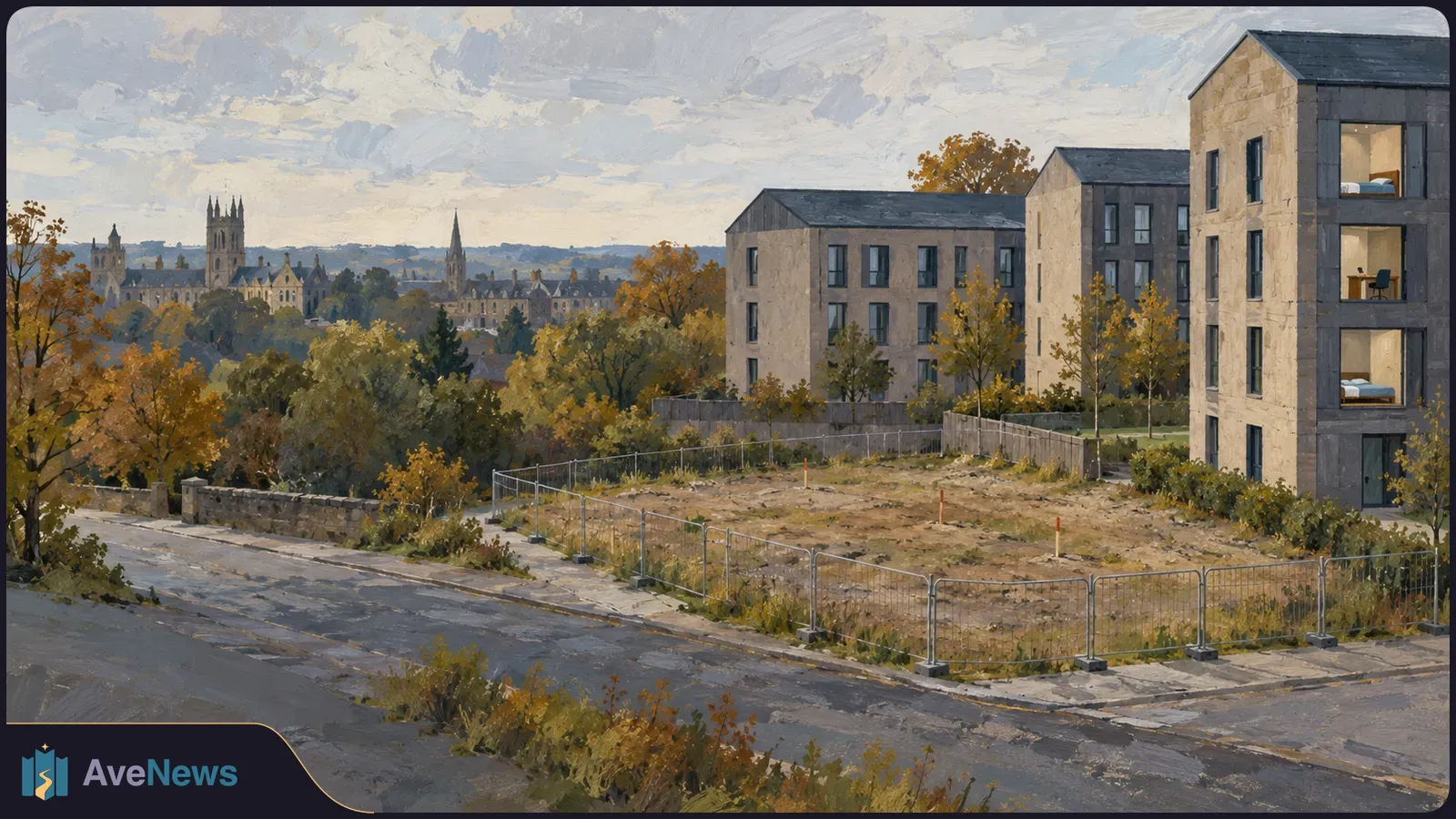
The Guardian reports rent cuts and shorter tenancies in weaker markets, while students describe being priced out of purpose-built accommodation.
The Guardian reports rent cuts and shorter tenancies in weaker markets, while students describe being priced out of purpose-built accommodation.
Unite Group, the UK’s largest developer and manager of student accommodation, has stepped up sales of unwanted sites and plans to reduce its portfolio. The Guardian’s 5 October feature, “‘I didn’t know what to do’: collapse of providers of high-end digs leaves students in shock”, is the sole source for this article.
| Portfolio | Beds | Cities |
|---|---|---|
| Current | 72,000 | 29 |
| Planned | 55,000–60,000 | 20 |
The loss-making group says it wants to concentrate on the UK’s strongest universities, where it describes student demand as robust and growing. It is not yet clear when the portfolio reduction will be completed.
Unite reduced rents and tenancy lengths in Nottingham, Leicester and Sheffield earlier in 2026, describing them as its most challenging cities. Its rooms in Coventry start at £99 a week, according to the feature.
Purpose-built student accommodation, often shortened to PBSA, means housing developed specifically for students. The feature describes newer blocks with gyms, cinemas and rooftop terraces aimed at relatively affluent residents, often international students. It cites the accommodation website StuRents’ average rent outside London of £191 a week, including bills.
Soham Chougale, a University College Birmingham student, told the Guardian that he could not afford purpose-built accommodation in Birmingham. He linked that difficulty to his international-student limit of 20 working hours a week during term time. He now shares a privately rented two-bedroom flat with a friend and pays £700 a month, excluding bills.
Richard Ward, StuRents’ head of research, identifies the gap between rents and maintenance loans—loans intended to help students pay living costs—as the key problem. He cites double-digit rent growth in purpose-built blocks and shared houses in recent years, and says more students are commuting.
Empty rooms and affordability pressures coexist, but conditions differ between cities. The Guardian cites the following August occupancy rates—the share of student accommodation places filled—from StuRents.
| City | Occupancy |
|---|---|
| Glasgow | 71.3% |
| Coventry | 69.9% |
| Bristol | 89.7% |
| Exeter | 95.3% |
In Nottingham, student housing charity Unipol calculated that demand fell from its pandemic peak in 2022–23 to 2025–26. It also calculated that 7,700 additional purpose-built student beds had come onto the market.
| Academic year | Beds demanded |
|---|---|
| 2022–23 | 46,295 |
| 2025–26 | 42,290 |
Financial trouble has also displaced students. In late July, nearly 70 students in Dundee had to find new accommodation after the owner of Marketgait Apartments collapsed. Abertay University student Nathalie Sriwiboonrattan paid £850 to have her belongings moved. She has since found another studio, paying £240 a week with financial support from her family.

Buses have been acquired to take children to newly built schools, the Prime Minister’s Office says, but a service start date has not been specified.
2 min

The debt-free acquisition would bring an estimated £400 million cash impact for BT. TalkTalk customers are advised to take no action.
2 min

Developers’ payments would fund shared conservation projects instead of site-by-site nutrient-neutrality measures. Ecologists question whether the plan would address pollution entering rivers.
2 min
