Zelenskyy arrives in Berlin for Ukraine allies’ talks

Ukraine’s president says he wants stronger air defense, energy and financial support, as well as diplomatic steps toward ending the war and security guarantees. The coalition’s main session is planned for later on 19 November.
Situation: Russia–Ukraine war
German Chancellor Friedrich Merz said talks involving Ukraine, Russia, Europe and the United States are planned after Ukraine’s allies met in Berlin on 19 November. He said finding a location should not be too difficult.
The Coalition of the Willing meeting followed negotiations in Abu Dhabi and a meeting in Shenzhen between US President Donald Trump, Russian President Vladimir Putin and Chinese President Xi Jinping. The German government said the Berlin gathering would coordinate support and next steps for further direct talks between Russia and Ukraine, with US and European participation.
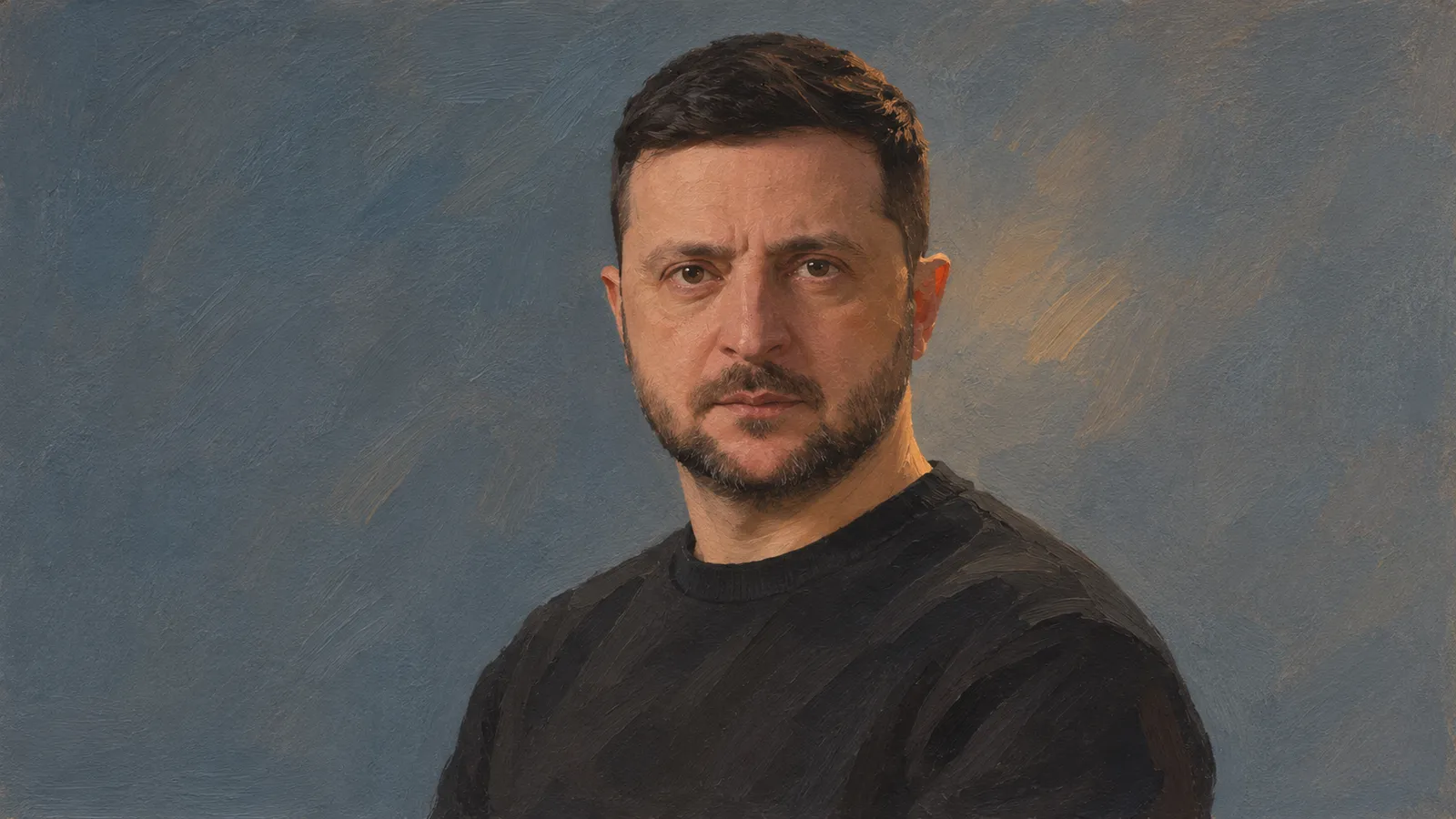
Zelenskyy arrived in Berlin seeking stronger air defense, energy and financial support, as well as progress on diplomacy, ending the war and security guarantees. He said Ukraine was working for Europe’s full participation in negotiations and expected more than 40 partners, including the US president’s team, to be represented.
Earlier: Zelenskyy says Ukraine and supporters agree to meet in Berlin

After the 16 November talks with US envoys and European representatives, Ukraine’s president said participants would meet in Berlin. Kremlin aide Yuri Ushakov said Russia had not agreed to expand the next negotiating round or set its date.
US peace envoy Jared Kushner said Washington had made Moscow comfortable with the idea of a Ukrainian security agreement modeled on NATO’s Article 5, the alliance provision under which members assist an ally under armed attack. He said Trump was open to such a guarantee if it served US interests and formed part of a broader security package.
The German government said the proposed legally binding guarantees would take effect after a ceasefire and include a multinational force to help rebuild Ukrainian military capabilities, closely coordinated with the US. It also identified air defense and energy and winter assistance as priorities as Russia continues attacks on Ukrainian civilian infrastructure.
Kushner said Trump joined parts of the Berlin talks by telephone. Kushner, Trump’s son-in-law and a senior adviser during his first administration, arrived with fellow US peace envoy Steve Witkoff. They had been expected to brief other leaders on the Shenzhen talks between Trump, Xi and Putin. French President Emmanuel Macron confirmed that leaders were briefed on the Shenzhen discussions.
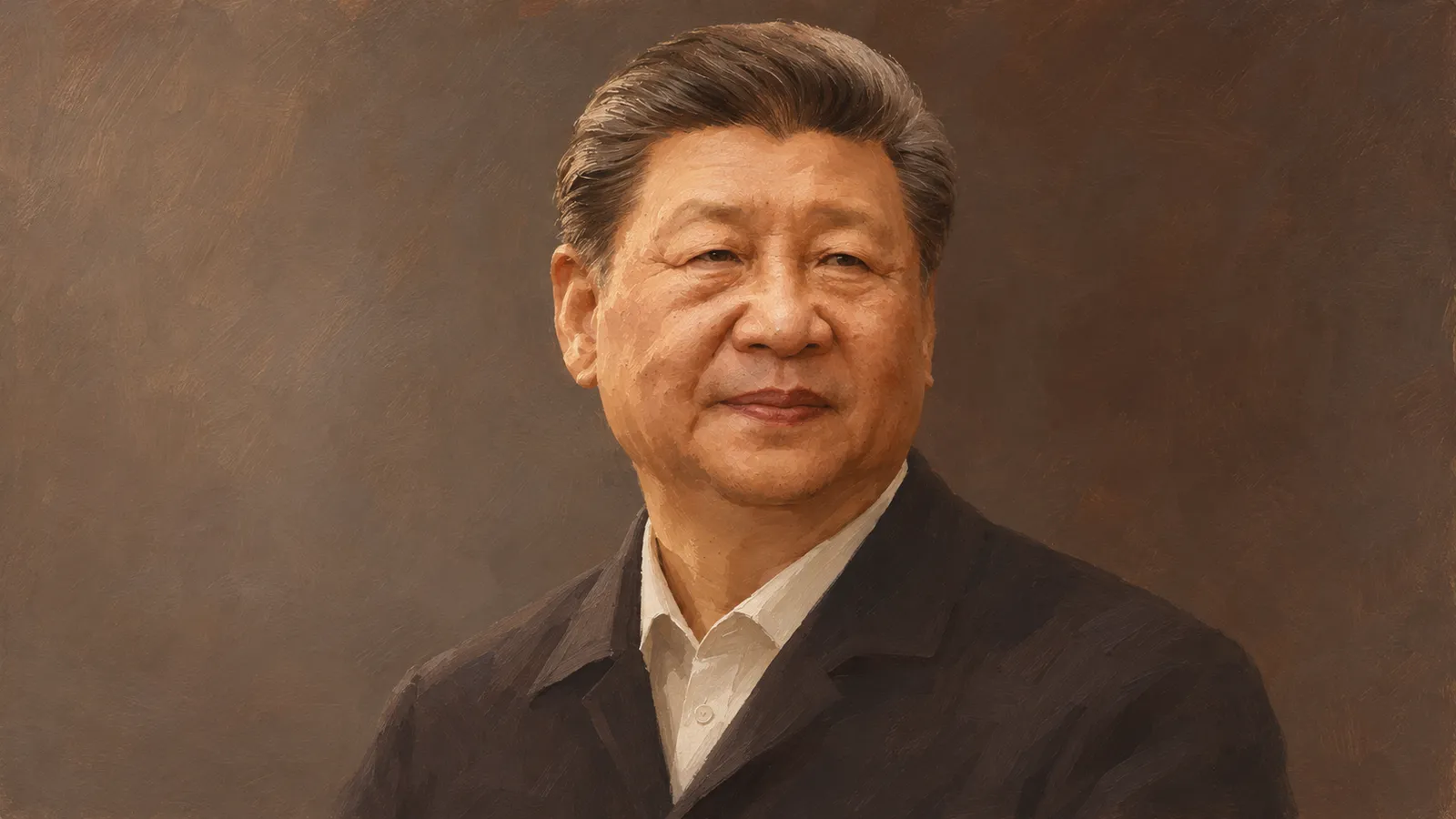
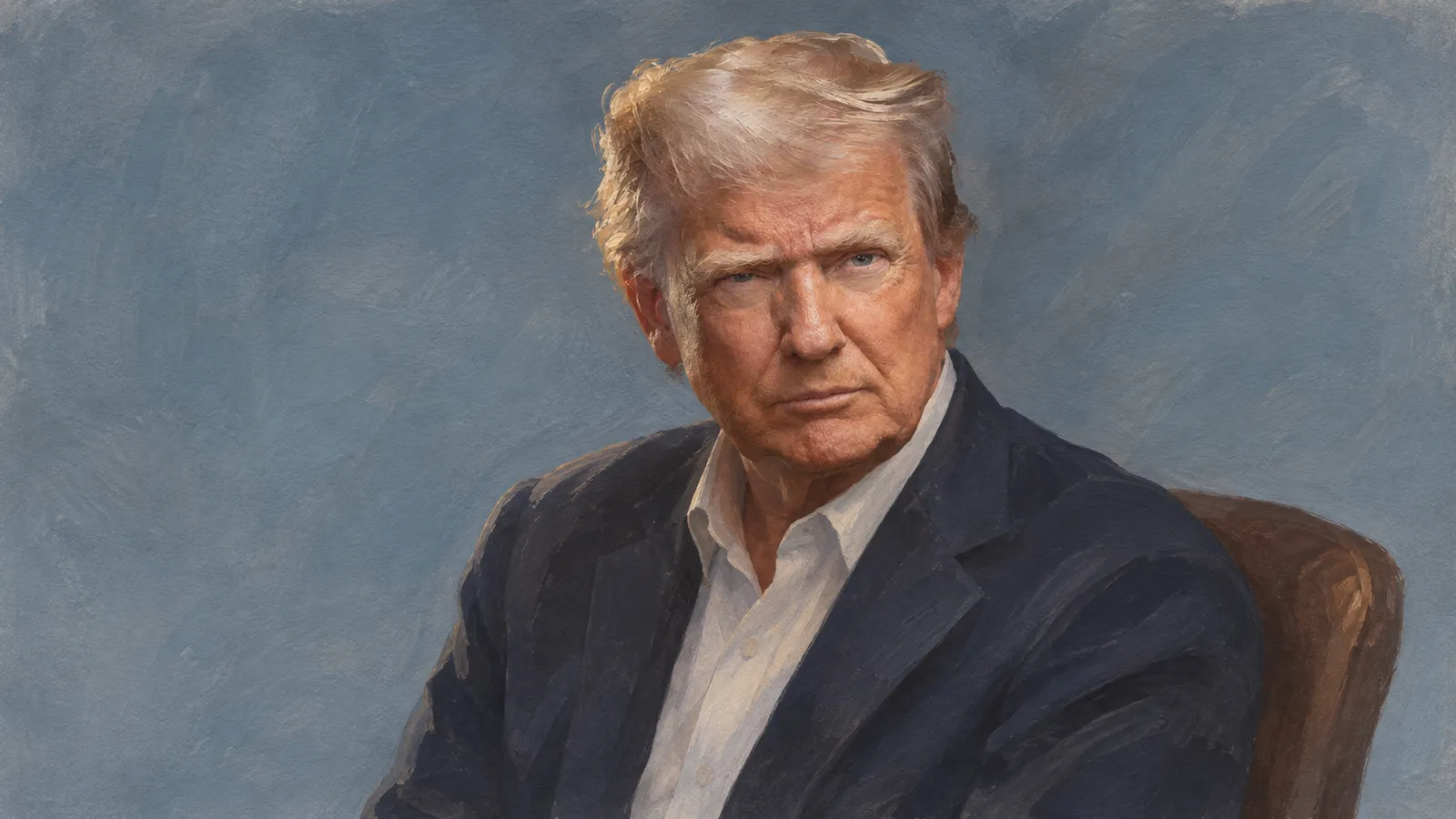
At the start of the Shenzhen meeting, Trump said he and Putin had already discussed the war. Chinese state media later reported that the meeting had ended. The Guardian said the leaders’ subsequent declaration did not mention Ukraine or Europe; it included commitments concerning UN reform, petroleum supplies and nuclear risks.
Afterward, Putin said Ukraine and Europe were not ready to compromise and defended Russia’s security demands. Ahead of the Berlin talks, Danish Prime Minister Mette Frederiksen said Europe must not accept European security on Russian terms and called for stronger Ukrainian air defenses.
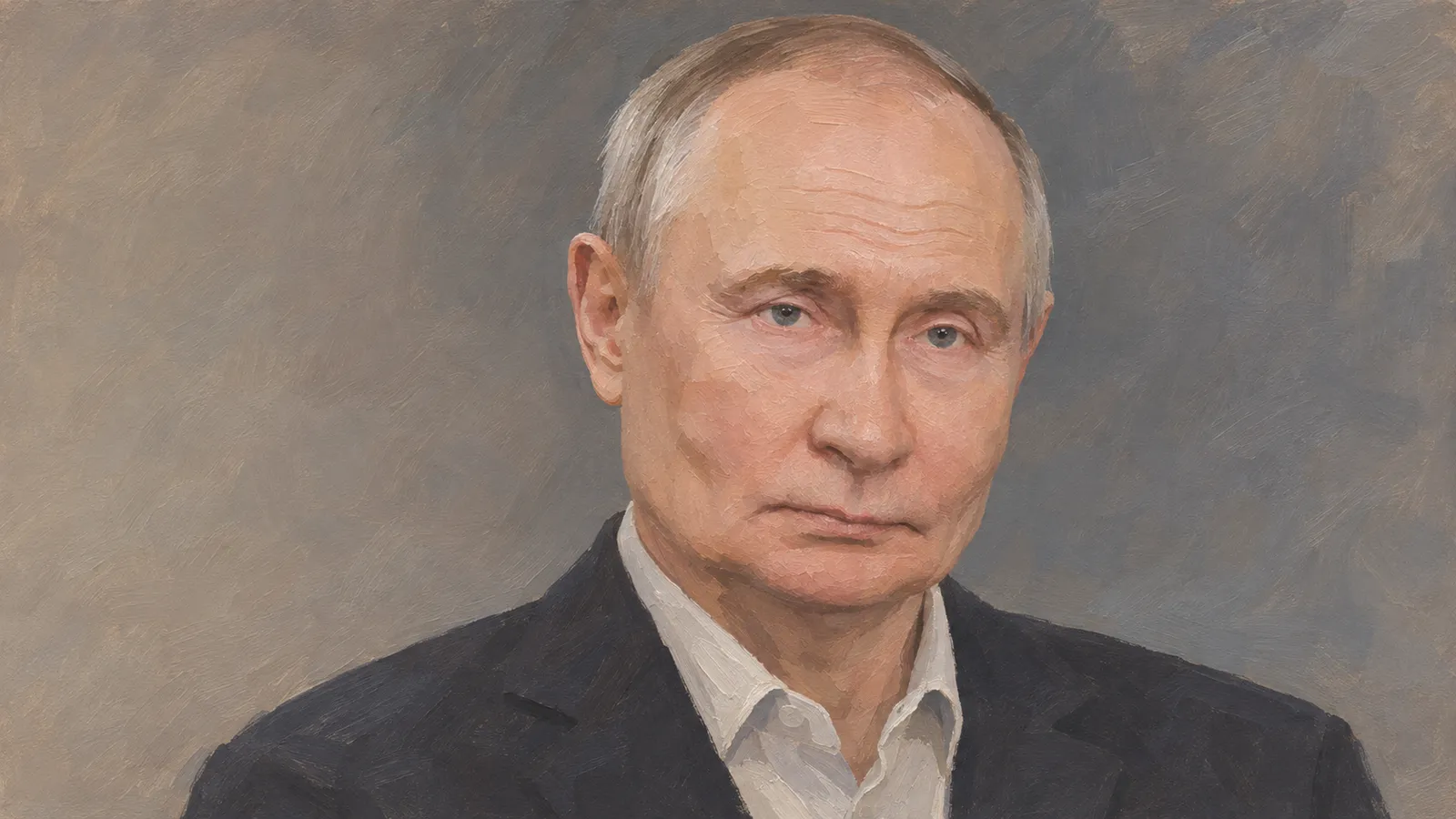
Putin also said he had discussed a possible ceasefire in several areas with Russia’s security council, but that Russia would not negotiate after strikes on the Crimean Bridge. He said Russia would respond and that its response would be “much more painful.” Ukrainian strikes had seriously damaged the bridge linking Russia with annexed Crimea, and a Russian-appointed governor said it was attacked again two days later, the Guardian said.
Merz invited partners to the German Chancellery and organized the meeting with Macron and British Prime Minister Andy Burnham. The coalition, co-chaired by Germany, France and Britain, has brought together mostly European countries since spring 2025, the German government says.
The government said EU leaders agreed in Dublin on 13 November that a European negotiating team would include representatives of European institutions and France, Germany, Italy, Poland and the United Kingdom. Before the Berlin meeting, Zelenskyy said bilateral meetings with European partners, including Merz, and a session involving US officials and European national security advisers were planned.
The preliminary program had scheduled the coalition plenary for 14:40 Berlin time (17:40 Yerevan time), followed by a joint press conference. Austrian newspaper Tiroler Tageszeitung reported that the press conference was planned for about 17:15 Berlin time (20:15 Yerevan time). The planned multilateral talks are the next step Merz identified; he did not give a date or location.
4 min

The Russian president also warned that Russia would target foreign troops if they were deployed to Ukraine. US envoy Steve Witkoff said European representatives would join the next round of talks. The Kremlin says it has yet to decide on European participation.
7 min