US government imposes new sanctions on International Criminal Court

US companies and individuals doing business with the court have six months to wind down those dealings, AP reports.
The US government imposed sanctions on the International Criminal Court (ICC) on 9 October, giving US companies and individuals six months to end business dealings with it, according to Associated Press reporting carried by Fortune. In a Guardian interview published on 24 October, ICC deputy prosecutor Nazhat Shameem Khan said some staff had reported banking difficulties before the institutional sanctions were due to take effect.
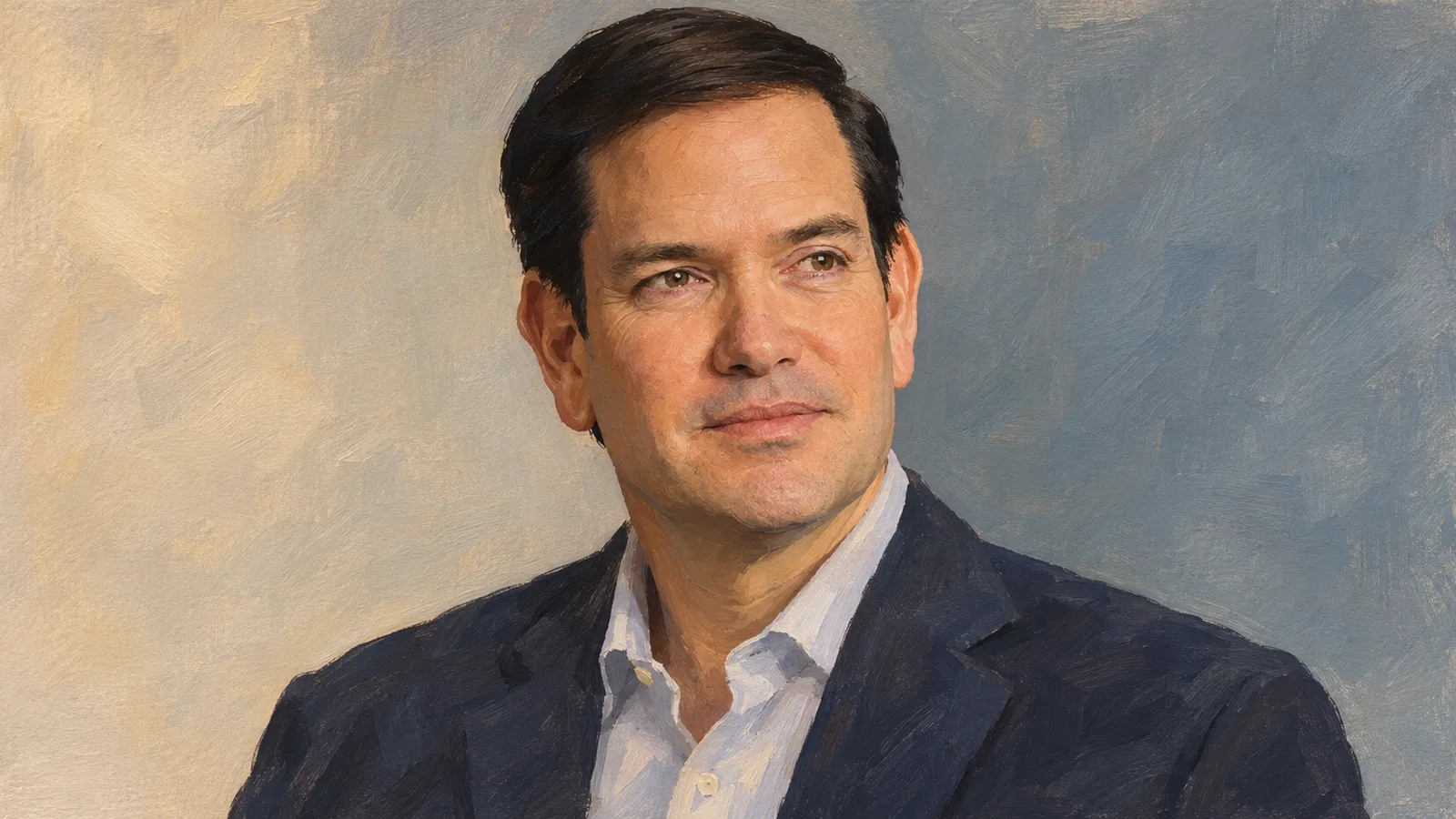
The restrictions cut the court off from US-based financial services, technology companies and use of US dollars after the wind-down period. They form part of the Trump administration’s campaign to dismantle the tribunal over investigations into the US and its allies, including Israel. Announcing the measures, US Secretary of State Marco Rubio said the US would ban transactions with the court and rejected its jurisdiction over the US and its people.
Khan attributed the banking difficulties to banks “over-complying” to minimise risk while the sanctions’ ultimate scope remained uncertain. She said the measures targeted the institution and should not, in principle, directly affect individual staff members. Her account concerned reports from staff, rather than a claim that the institutional restrictions were already formally in force.
The court has switched from Microsoft software to European alternatives as it works to protect its operations from sanctions, the Guardian reported. It is also negotiating with service providers over banking and health insurance.
Khan distinguished those practical problems from the investigations themselves. She said all investigations continued and the court had made no sanctions-driven decision to reduce its capability or output. She also acknowledged that the full impact could not be anticipated before the institutional sanctions took effect.
In its response reported on 9 October, the ICC condemned the sanctions as an attempt to obstruct justice and prevent its work. Its president, Tomoko Akane, said the court would continue to fulfil its mandate independently and impartially, acting on law and evidence, and appealed to member countries for support.
One possible response is the European Union’s “blocking statute”, a legal measure that could prevent European companies from complying with the US sanctions and help protect European court staff. The Netherlands, which hosts the court, had prepared for the measures for weeks before their announcement. Dutch Foreign Minister Tom Berendsen said it had held talks with the European Commission so the statute could be enacted quickly if necessary.
The institutional sanctions are due to take effect six months after 9 October. The court’s registrar is negotiating with the EU over blocking the sanctions or protecting the court in other ways.
Reuters cites its own source on the advanced talks, which have not produced a final agreement.
1 min

The expanded plan would replace upfront discounts with later rebates for 25 costly, widely used drugs covered by Medicare.
2 min

The round values the Jev maker at $7.5 billion and will fund more models and features for large organizations.
2 min