US student-visa arrivals fall from 387,000 to 277,000 in two years

August arrivals fell 28% between 2024 and 2026, reaching their lowest level since the pandemic-era low in 2020. The figures count arrivals, not newly enrolled students or total enrollment.
The number of international student-visa holders arriving in the US in August fell 28% between 2024 and 2026, federal figures show. The decline leaves universities facing a smaller pool of arriving students at the start of the academic year.
Figures from the National Travel and Tourism Office show arrivals falling from 387,000 in August 2024 to 277,000 in August 2026, Nature said on 13 November. The level was the lowest since the depths of the COVID-19 pandemic in 2020. Arrivals are not a count of newly enrolled students or of all international students studying in the US.
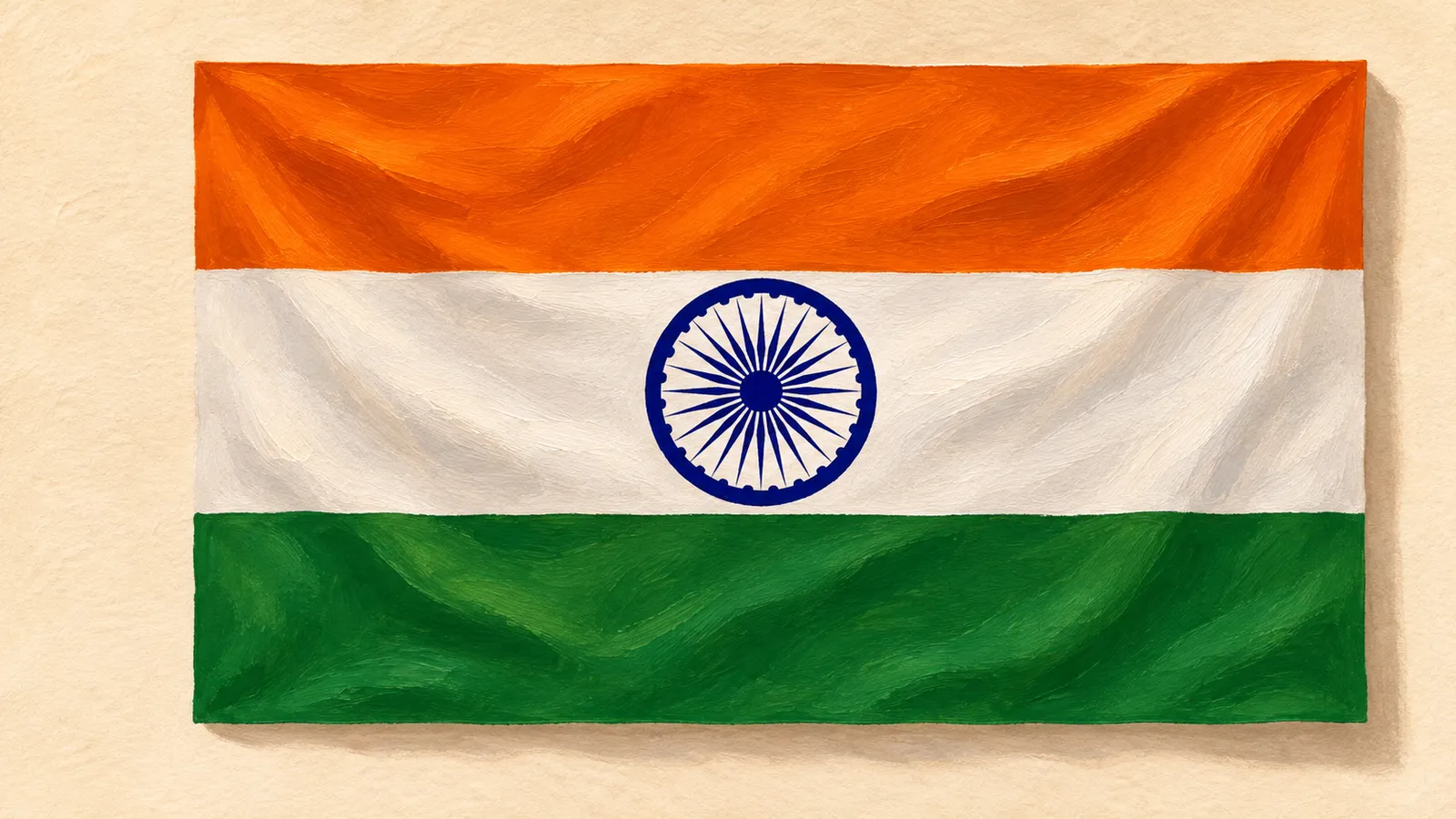
The decline included about 50,000 fewer arrivals from India and about 23,000 fewer from China over the same period.
A separate survey found that international applications to US doctoral programs fell 21% from 2025 to 2026. Its respondents were 55 members of the Association of American Universities, a coalition of research-intensive schools. The association’s Data Exchange collected the figures.
The declines are putting pressure on already strained university budgets. International students earned 38% of US science and engineering PhDs in 2024. Nigel Goldenfeld, a physicist at the University of California, San Diego, argues that reducing their numbers risks US scientific leadership relative to China and Europe.
In a separate preliminary enrollment projection, NAFSA: Association of International Educators and JB International estimated that as many as 111,000 fewer international students in fall 2026 could mean up to $3.4 billion less in direct economic contributions and nearly 40,000 fewer supported US jobs. The projection drew on institutions' responses to an Institute of International Education survey and excluded students in Optional Practical Training, a work program for recent graduates.

Mamdani said the nationwide extension began on 13 November 2026 after talks with Donald Trump and Agriculture Secretary Brooke Rollins, giving SNAP-accepting bodegas and convenience stores more time to meet new stocking rules.
President Donald Trump’s administration introduced several visa and international-travel restrictions after he took office in early 2025. Chris Glass, a higher-education researcher at Boston College, said policy uncertainty has registered with students; other higher-education specialists link policy attempts to declining overseas student numbers because students see a US education as a less stable investment.
The Institute of International Education’s Fall Snapshot offers a separate measure of international students studying at US higher-education institutions. The institute says it and partner associations collect data each October and release a report each November.
1 min

The US Supreme Court agreed on 13 November to consider Trump’s border asylum ban. The administration seeks to overturn lower-court rulings that found the ban on applications unlawful. The ban remains in place during the litigation.
2 min

Guinea’s ministry said 13 people were injured in the November 11 clashes in Balato. Who opened fire remains unresolved, and prosecutors have been tasked with examining responsibility.
2 min