US maritime alert warns Iran blockade disrupts shipping

The internal alert warns that attacks on merchant ships could drive up war-risk premiums, prompt crew refusals and reduce available tanker capacity.
Situation: Iran war and the Strait of Hormuz
An internal alert circulated at the US Maritime Administration warned that Washington’s blockade of Iran was contributing to disruption of commercial shipping. It said threats had spread beyond the Strait of Hormuz to Gulf anchorages and the Gulf of Oman, making further insurance cost increases, crew refusals and a contraction in available tanker capacity more likely.
Attacks on shipping in and around the strait have disrupted global shipping since the United States and Israel launched strikes on Iran on 28 February. The strait is the narrow primary sea passage connecting the Persian Gulf to the Gulf of Oman and the Arabian Sea.
Al Jazeera obtained the documents through a Freedom of Information Act request to the maritime agency. The alert said merchant ships faced attacks from both sides, but did not quantify the blockade’s contribution to the disruption. Its date and author are not established; it is unclear whether it originated at the agency or elsewhere.
Agency administrator Stephen M. Carmel shared it on 12 October with Michael Yarrington, an official in its Office of Marine Insurance. That followed a US strike on the Panama-flagged bulk carrier Ocean Molica in the Gulf of Oman on 10 October and attacks on three other tankers for which responsibility was not attributed. US Central Command said it disabled the Ocean Molica for attempting to breach the blockade.
Carmel asked Yarrington how the insurance market was responding and sought an update on efforts to rebuild war-risk insurance, which covers damage caused by acts of war. Its components generally cover the vessel itself and liability for people and items aboard. Yarrington replied that a colleague had contacted people in London and forwarded a summary of rising premiums compiled from news reports. Details of the insurance work Yarrington described were redacted from the released emails.
The maritime agency, the White House, the Defense Department and US Central Command did not respond to Al Jazeera’s requests for comment.
The International Maritime Organization recorded about 130 attacks on vessels in the region and at least 25 seafarer deaths since the conflict began. The Organization of the Petroleum Exporting Countries said insurance for a tanker carrying Middle Eastern crude to East Asia rose about 200-fold from January to the end of October, reaching $12.29 per barrel. Neither figure isolates the blockade’s contribution.
Boon Chuan Lim, an independent researcher, said insurance terms depend on the vessel, route, area and duration of exposure. A wider threat can raise costs and complicate operations, he said, but does not mean every vessel faces the same additional premium.
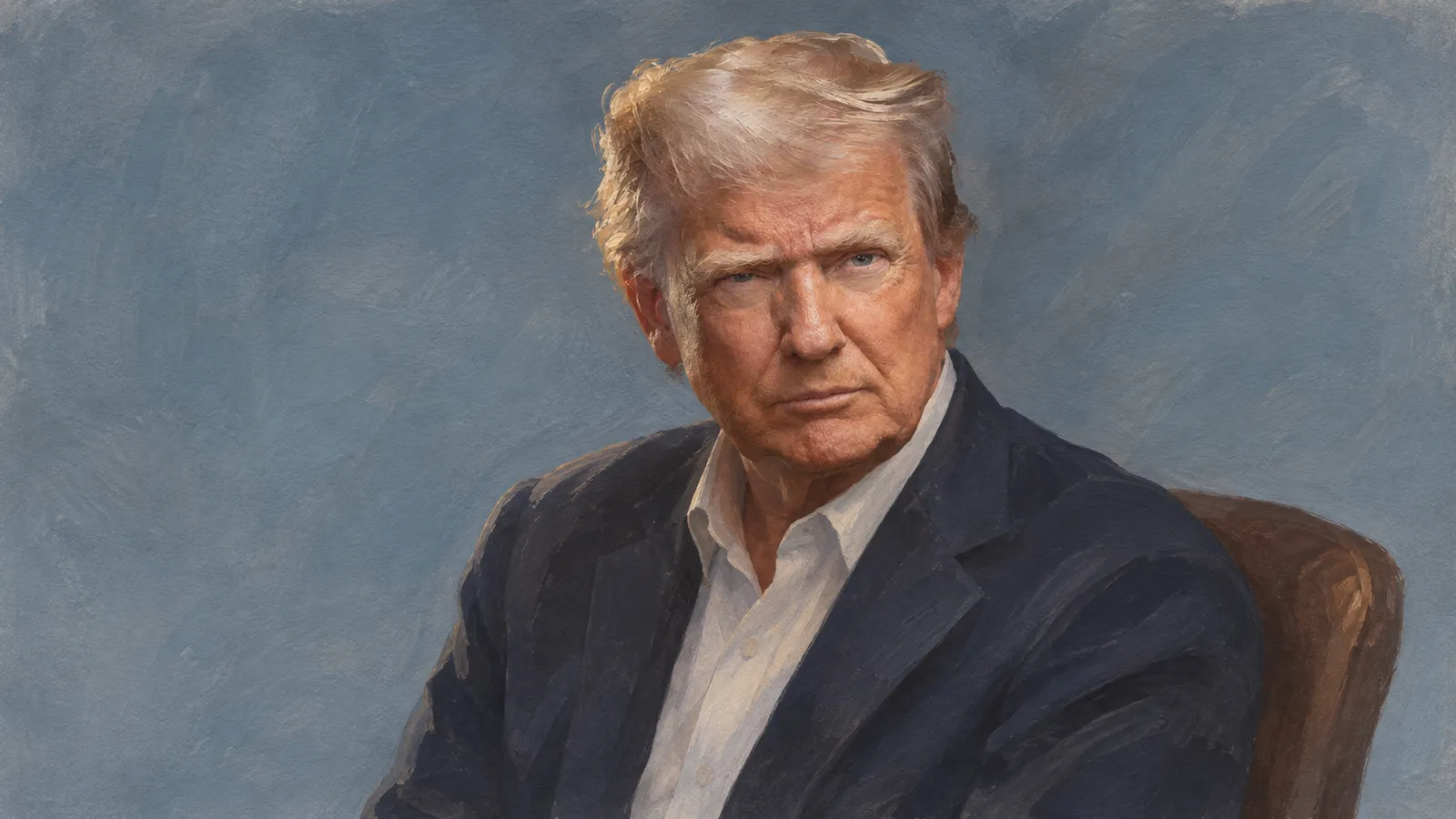
US President Donald Trump dismissed the need for a peace deal after earlier suggesting the conflict could end fairly soon. A November 3 report said Iran wanted the United States to lift the port blockade, grant waivers for Iranian oil sales and remove newly imposed sanctions before moving on to other issues. Iran proposed shortening the implementation period to two days, but the two sides had not jointly announced an agreement.
The reported Persian Gulf transfer came before a US warning that ships receiving cargo at sea from blockaded vessels may be treated as blockade evaders if the cargo was loaded at an Iranian port or coastline even if they never visit Iran.
3 min

Oil from attacked tankers is washing onto beaches in the United Arab Emirates and threatening dive sites in Oman, as a map tracks slicks across the region.
2 min

The US president said he would discuss possible new strikes after the beginning of the year, having previously linked the timing to the November 3 midterm elections.
3 min