US fisheries agency proposes opening protected Pacific waters to fishing

The proposal would allow longline and purse-seine fishing across more than 400,000 square miles of a marine monument. Public comment runs until 9 December 2026, after which the agency must decide whether to enact it.
The National Marine Fisheries Service has proposed allowing commercial fishing in parts of the Pacific Islands Heritage Marine National Monument, where a federal court halted an earlier reopening. The proposal covers longline boats and purse seiners, which surround schools of fish with large nets.
Fishing cannot resume under the proposal unless the agency enacts it after public comment. Inside Climate News said the agency has opened a 30-day comment period ending 9 December 2026.
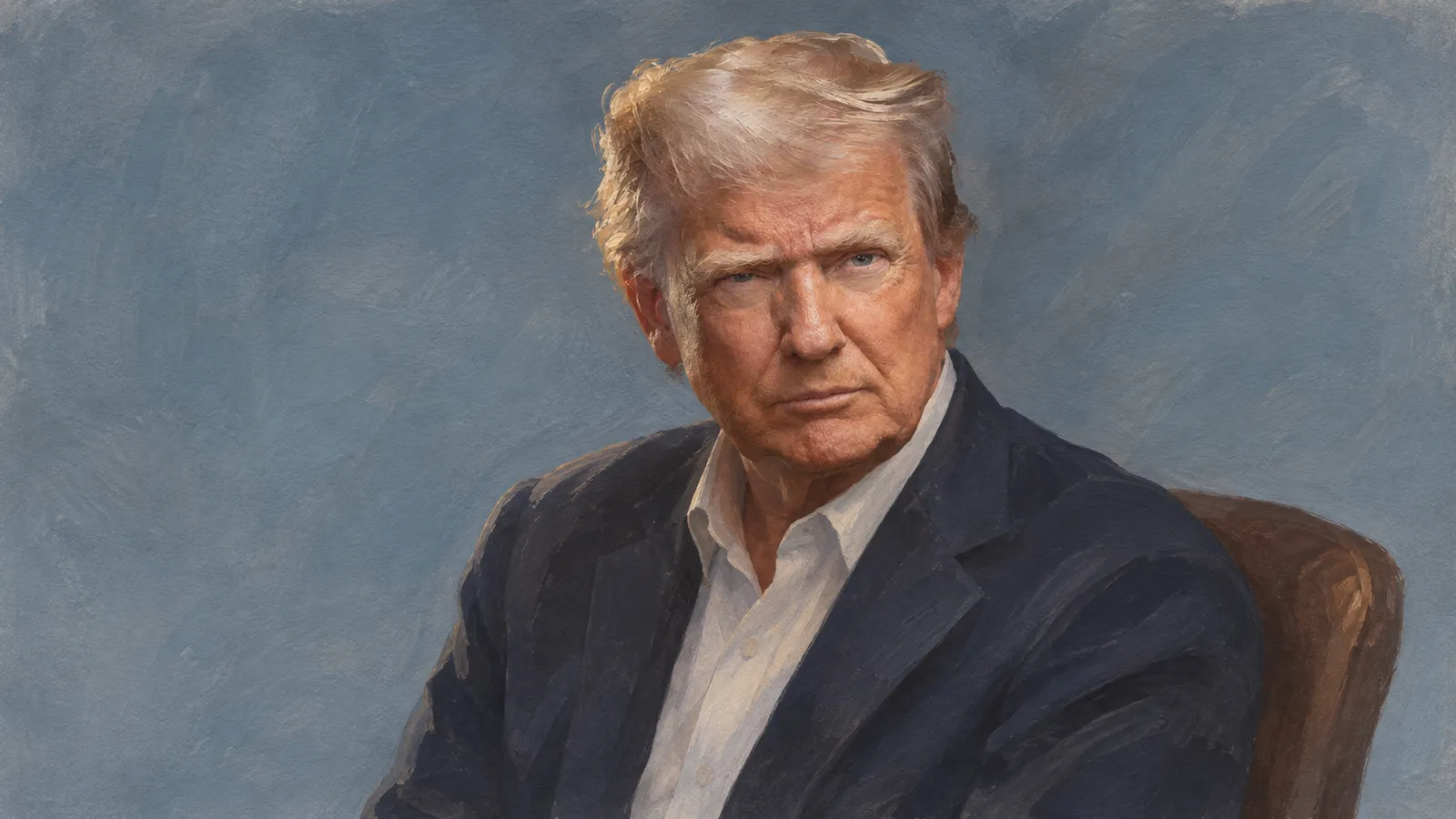
President George W. Bush established the monument in 2009. In April 2025, President Donald Trump ordered the removal of protections around Johnston Atoll, Jarvis Island and Wake Island, temporarily allowing commercial fishing between 50 and 200 miles offshore. The fisheries service told permit holders three days later that they could fish there.
After a lawsuit filed by Earthjustice, a federal district court in Honolulu halted fishing in August 2025, citing procedural failures and improper use of the Antiquities Act. Just over 1,700 fish were caught during the brief reopening.
According to Inside Climate News, the Antiquities Act allows presidents to establish marine protected areas but not shrink their boundaries or strip their protections.
The National Oceanic and Atmospheric Administration says reopening the waters would let American boats fish without competing with foreign fleets or paying other nations for access. The fisheries service projects a minor benefit to operations from shorter journeys and lower fuel use. Earthjustice attorney David Henkin, who helped challenge the earlier reopening, argues that international quotas would prevent an increase in total catches.

The department’s fiscal 2026–2030 strategy calls for sales, exchanges and transfers to state, local and tribal governments, opening a path to less federal ownership.
The administration says potential ecological harm would be negligible because the proposed gear would not touch the ocean floor. Sheila Sarhangi, founder and executive director of the Pacific Islands Heritage and Papahānaumokuākea Coalitions, objects that industrial fishing would bring substantial bycatch—the unintended capture of other animals—back into the area. She describes the ecosystem as one of the world’s last wild, healthy ocean ecosystems.
In 2013, the last year industrial fishing was allowed in the expanded area, the Hawaiian longline fleet caught more than 2,300 sharks and kept 10. The vast majority were discarded dead or injured, including silky and oceanic whitetip sharks.
Sol Kahoʻohalahala, a Native Hawaiian elder and knowledge holder, says protecting marine abundance is a responsibility to future generations. He objects to taking resources for profit without caring for them in return. The fisheries service must now consider the public comments before deciding whether to enact the proposal.
2 min

Environment Minister Hambardzum Matevosyan presented Yerevan’s candidacy to the UN climate convention’s executive secretary. The bidding process continues.
1 min

The committee also recommended Baxfendy for insufficiently controlled high blood pressure and Zybrivo for adults with non-squamous non-small cell lung cancer, advancing the medicines toward EU authorization.
1 min